
Bangalore, India’s Silicon Valley, has long been the epicenter of tech-driven real estate demand. But with the city now infamous for its seasonal flooding and strained infrastructure, many are beginning to ask: Does the rain—and the flooding it causes—actually impact property prices in Bangalore?
Recent posts on X (formerly Twitter), especially one by user @kingofknowwhere, reignited this debate. Their frustration over stagnant property prices in a flood-prone area like Manyata Tech Park provides a lens into the lived reality of thousands of homebuyers. But do their concerns align with the market data? The answer is more complex than a simple yes or no.
The Human Cost of Flooding
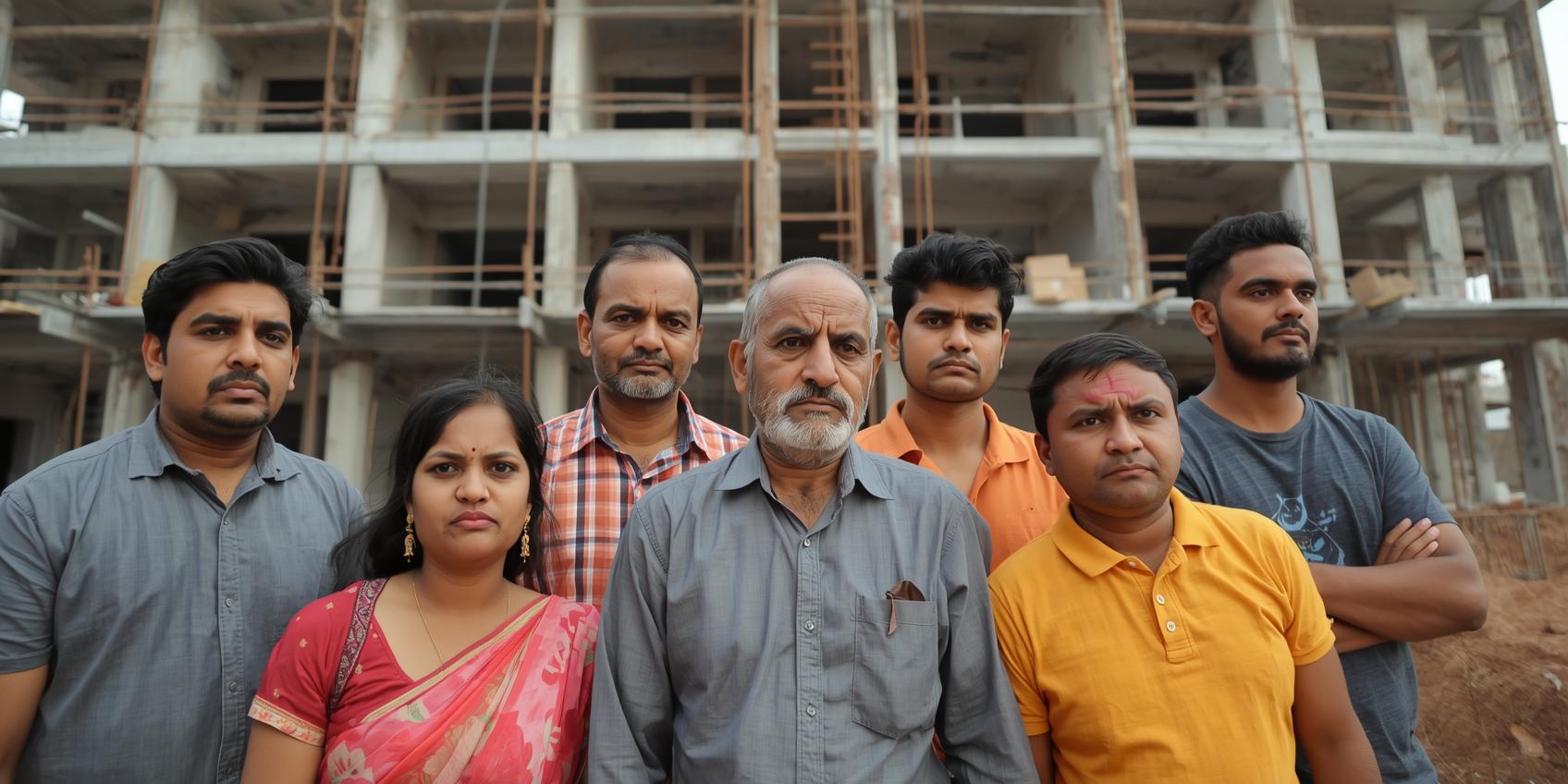
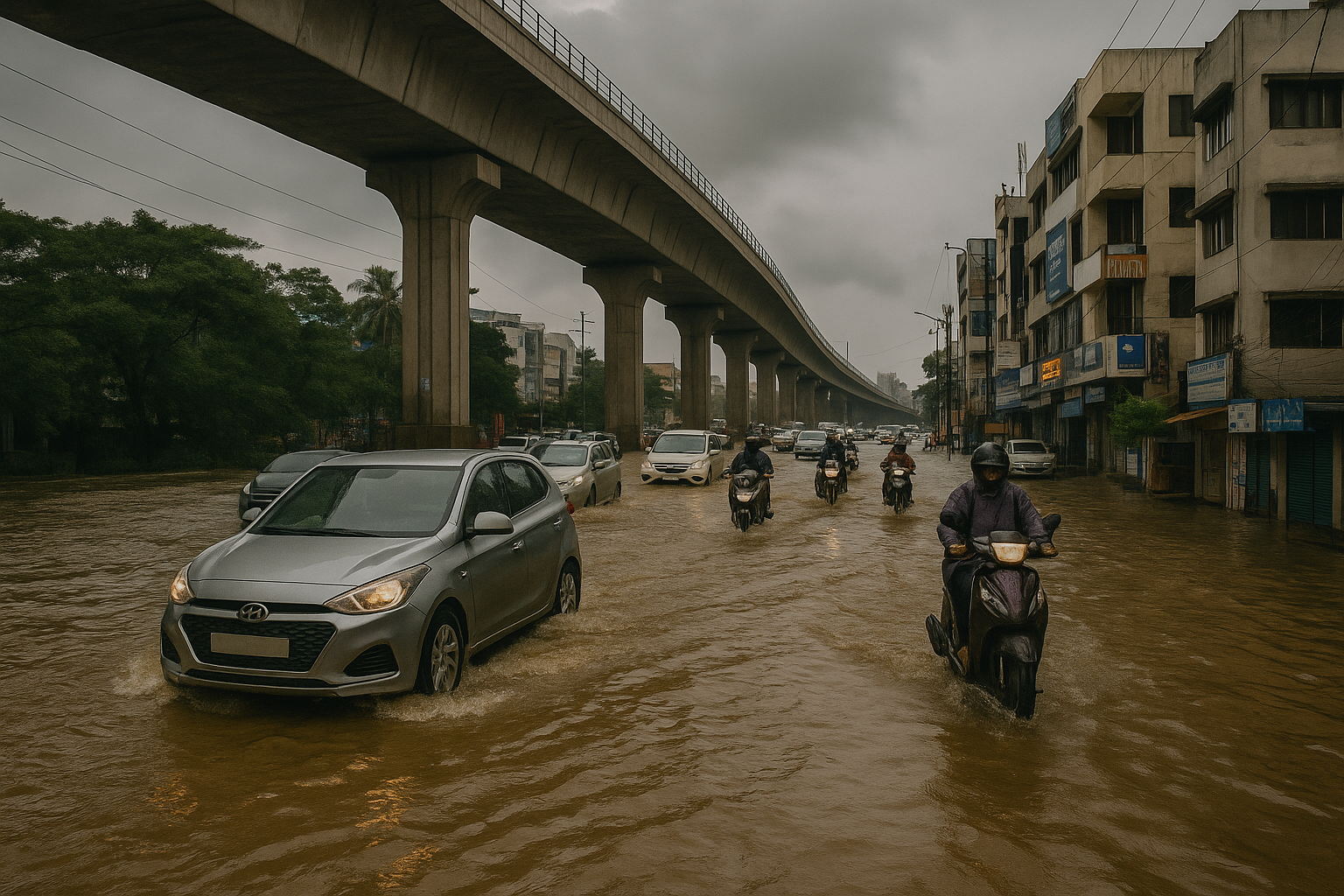
In a viral post dated May 19, 2025, @kingofknowwhere shared his personal story: having bought a house near Manyata Tech Park at the age of 24 in 2023, he now feels disillusioned at 26. In his words, the property has appreciated “barely more than a mutual fund”, a comment laced with disappointment. His frustration is compounded by recurring floods—highlighted by viral visuals nicknaming the area “Manyata Lake Drive”—and personal tragedies: a friend lost a bike worth ₹1.5 lakh in last year’s floods, and another died in E-City due to a road accident caused by skidding.
Yet, despite the chaos, his post is not a rejection of Bangalore but a plea to “expedite the betterment of the infra here.”It reflects a sentiment many urban dwellers resonate with: the emotional and financial investment in a city that often gives little back in return.
The Market Reality: Data Tells a Different Story
Interestingly, while @kingofknowwhere believes that property prices haven’t increased much near Manyata, data from multiple real estate platforms paints a different picture.
Price Trends Near Flood-Prone Areas (2021–2024):
| Area | 2021 Avg Price | 2024 Avg Price | Appreciation |
|---|---|---|---|
| Sarjapur Road | ₹8,635/sq.ft | ₹9,060/sq.ft | +4.9% |
| Koramangala | ₹17,422/sq.ft | ₹19,150/sq.ft | +9.9% |
| Manyata Tech Park | ₹5,260/sq.ft | ₹10,663/sq.ft | +102.7% |
(Source: 99acres.com, Hindustan Times, 2024)
So why the disconnect?
It’s possible that @kingofknowwhere’s property is an outlier—perhaps affected by localized micro-flooding, or purchased at peak pricing. But in general, the Manyata region has seen one of the highest appreciation rates in Bangalore, proving that demand often outweighs environmental concerns, particularly in job-centric zones.
Why Do Buyers Keep Coming Back?
Even areas severely affected by flooding continue to draw interest. Why?
- Proximity to IT parks: Convenience still trumps caution for many professionals.
- Upcoming Metro lines: New infrastructure projects boost future outlook.
- Limited supply: High demand and a shortage of quality housing push prices up.
- Tech ecosystem: The clustering of IT, co-working, and start-ups near Manyata makes it a magnet for mid- to high-income buyers.
As a result, developers and investors are willing to risk the floods—betting on Bangalore’s long-term promise over short-term pain.
The Infrastructure Bottleneck
Yet, the lived reality for residents tells a darker story.
According to comments on the same X thread, Manyata Tech Park was built on historical tank (kere) land linked to Nagawara Lake, a natural floodplain that has now been replaced by concrete. Bangalore has lost 79% of its water bodies over the last 50 years due to unplanned growth—contributing directly to its urban flooding crisis.
Moreover, recurring complaints about the “politician-contractor-builder-banker” nexus, systemic corruption, and inefficient civic planning were echoed by several users. Even mitigation efforts—such as dewatering systems installed by Embassy Manyata—have failed to fully prevent waterlogging, as seen in the May 2025 floods.
Solutions Being Discussed
Not all hope is lost. Constructive suggestions have emerged:
- Citizen Participation: X user @streetfrontier recommended ward-level engagement and working with local corporators to push for better infrastructure. Civil society groups have been active in areas like Bellandur and Whitefield with positive results.
- Decentralization of the IT Industry: Another suggestion involves spreading India’s tech growth across smaller cities, thus reducing the burden on Bangalore’s failing infrastructure.
- Better Urban Planning: Real estate experts continue to call for restoring natural drainage systems, protecting remaining lakes, and enforcing stricter zoning laws.
Conclusion: So, Does Flooding Impact Property Prices in Bangalore?
Yes and no.
YES, at an individual level, flooding can slow down appreciation or even cause stagnation—especially if the property is in a micro-location hit hard by infrastructure failure.
But NO, at the macro level, Bangalore’s real estate market remains resilient. The city continues to draw new residents and investments, and demand around IT corridors like Manyata Tech Park continues to push prices up, despite seasonal disruptions.
The Verdict:
Flooding may dampen living standards, but it hasn’t drowned investor sentiment.
Still, unless Bangalore addresses its infrastructure challenges holistically, the emotional and environmental costs of such growth could outweigh the financial gains—for both homeowners and the city at large.
Also Read: Neelkanth Infracon Directed to Compensate Homebuyers for Delay