
The Maharashtra Government on October 4, 2025 has issued a public notice dated 5 September 2025, proposing to delete ‘Natural Area’ (NA) zoning for two land parcels in Mumbai’s Salt Pan Division and rezone them for public use under the ‘R Zone’.
While the government justifies the change on the grounds of “public purpose,” the move has sparked serious concerns over Mumbai’s shrinking green cover and the permanent loss of open spaces, especially in a city already starved of natural buffers.
🏙️ What the Government Notice Says
The notice, issued under Section 37 (1AA) of the Maharashtra Regional and Town Planning Act, 1966, outlines proposed modifications to the Development Plan 2034 for Greater Mumbai.
Two plots of land are affected:
| Land Parcel | C.S. No. | Area (sq. m.) | Existing Reservation | Proposed Change |
|---|---|---|---|---|
| 1 | 4 (pt) | 6,475 | Natural Area (NA) | Rezone to ‘R Zone’ and reserve for Government Office – RO2.1 (EVM & VVPAT Machines Warehouse) |
| 2 | 5 (pt) | 13,843.82 | Natural Area (NA) | Rezone to ‘R Zone’ and reserve for Civil Services Institute Gymkhana / IAS Association |
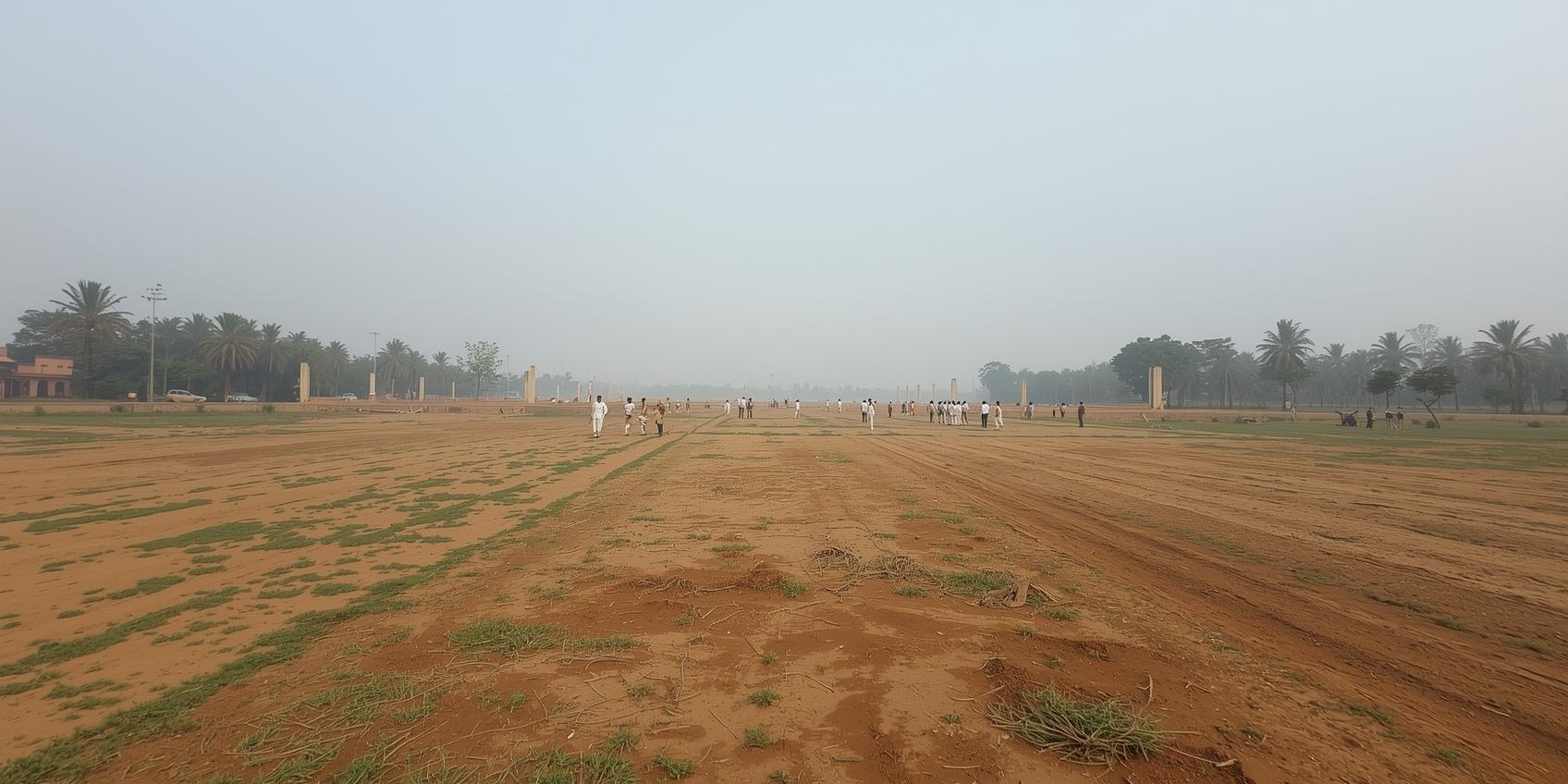
The lands are currently under ‘Natural Area’ reservation in the Development Plan — a zoning meant to safeguard open, environmentally sensitive, or undeveloped areas of the city.
🏗️ How We Got Here
According to the notice, the District Collector Mumbai City had, in 2024, requested that the ‘Natural Area’ reservation on these lands be deleted. The letter clarified that the land:
- is not affected by mangroves or hills,
- is not part of any coastal regulation zone, and
- had been temporarily transferred to the Mumbai Metro Rail Corporation Limited (MMRCL) during metro construction.
Subsequently, the Revenue Department referred the matter to the Urban Development Department, and following a Cabinet decision on 16 March 2024, the government agreed to allot the land permanently for these new uses.
The Municipal Corporation of Greater Mumbai (MCGM) also wrote to the state government supporting the proposal and requested formal approval under Section 37(1AA).
🌱 Why This Matters: A City Losing Its Natural Buffers
While the parcels may appear modest in size, the deletion of ‘Natural Area’ zones has broader implications for Mumbai’s urban fabric. Natural Areas are often the last remaining open spaces, acting as green lungs and climate buffers in a city struggling with flooding, heat islands, and air quality challenges.
The original temporary transfer of land to MMRCL for metro works was understood as a time-bound public utility use. But permanently taking the land away from the city’s natural reserves for warehousing and an exclusive gymkhana raises legitimate questions:
- Are there no alternate non-green sites available for these facilities?
- Should city-level public infrastructure come at the cost of environmental reserves?
- And crucially — what precedent does this set for other Natural Area parcels across Mumbai?
In a city where open space per person is already a fraction of WHO norms, every green parcel counts.
📢 Citizens Can Speak Up — One Month Window
Importantly, the notice invites objections and suggestions from the public.
- Citizens have one month from the date of publication to submit their inputs.
- Objections must be sent to the Deputy Director of Town Planning, Greater Mumbai, whose office is at ENSA Hutments, E-Block, Azad Maidan.
- Plans are open for inspection at both the MCGM Chief Engineer (Development Plan) office and the Town Planning office.
All objections received will be formally heard by the Deputy Director of Town Planning, acting on behalf of the Government.
This process is not symbolic — public objections under Section 37 have led to modifications and even withdrawals of proposals in the past, especially when backed by strong citizen groups, urban planners, and environmental activists.
🟡 A Question of Priorities
No one disputes the need for infrastructure — warehousing for election equipment or facilities for civil services may serve legitimate public functions. But the location matters. Choosing Natural Area land for these uses signals a short-term administrative convenience overriding long-term urban resilience.
Mumbai’s development plans must reflect a balance between infrastructure and environment. Every time a Natural Area is deleted, the city loses not just open land, but future options for adaptation and green infrastructure.
Also Read: MMR saw 11 land deals involving 768 acres of area