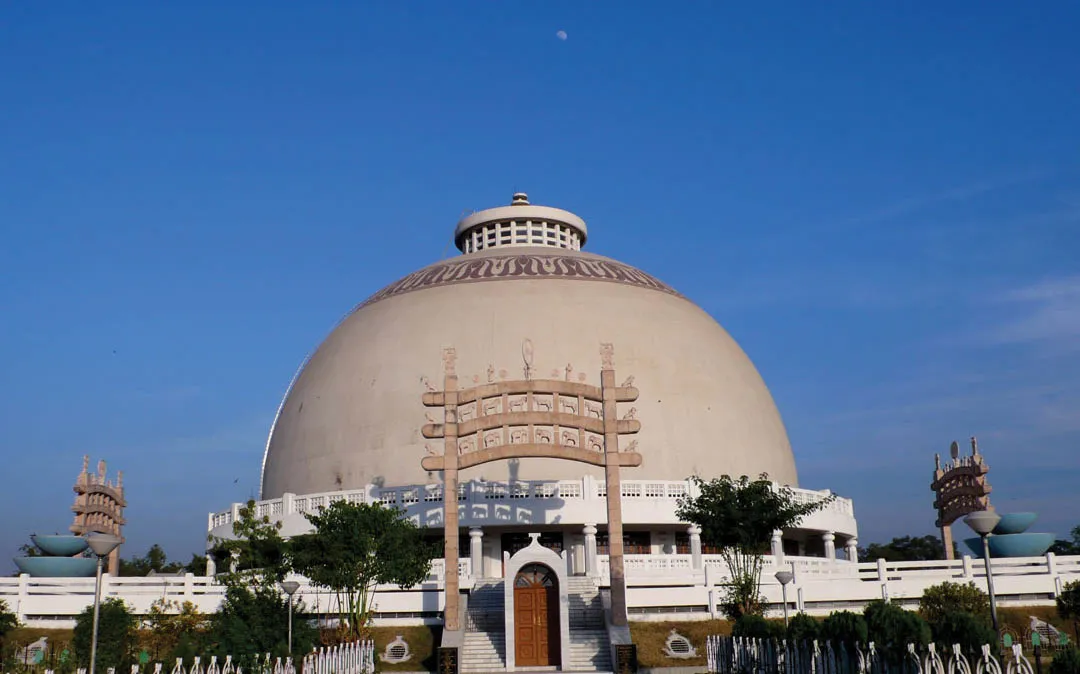

Nagpur, Jaipur, and Lucknow Lead Rankings; Expressways Catalyzing Growth in Tier-2 Cities
A decade of infrastructure expansion in India, led by expressway development, has transformed connectivity and reshaped real estate opportunities across the country. Colliers India, in its latest report titled “Top 30 Emerging Cities of India”, has identified Nagpur, Jaipur, and Lucknow as the top three performers among 30 emerging cities assessed for growth potential in infrastructure, demographics, and economic factors.
Nagpur, backed by the Mumbai–Nagpur Expressway (Samruddhi Mahamarg), ranked first, followed by Jaipur and Lucknow. These cities, along with five other micro-markets—Ahmedabad (Shela), Agra (Shastripuram), Meerut (Ganga Nagar), Chandigarh (Kharar), and Bhopal (Indus Towne)—have shown significant potential for land price appreciation, with some areas expected to witness a 5.2x increase by 2035.
Expressways: Key Drivers of Growth
The rapid expansion of India’s expressway network, under initiatives such as the Bharatmala Pariyojana, has been instrumental in unlocking the economic and real estate potential of underdeveloped regions. Expressways such as the Samruddhi Mahamarg, Yamuna Expressway, and Dwarka Expressway have catalyzed urbanization by improving connectivity, fostering integrated township development, and boosting tourism.
“Expressways drive urban and economic growth by enhancing accessibility, which, in turn, increases demand for real estate. Investors and homebuyers should capitalize on the current opportunities in micro-markets along these expressways, where land values are projected to grow significantly,” said Swapnil Anil, Managing Director, Advisory Services, Colliers India.
Nagpur: A Rising Investment Hub
The 701-km Samruddhi Mahamarg has positioned Nagpur as a premier investment destination, with land prices around the Samruddhi Circle area projected to rise from INR 3,300 per sq. ft. in 2024 to INR 17,213 per sq. ft. by 2035—a 5.2x increase. This rapid growth outpaces other emerging micro-markets, including Shela in Ahmedabad and Shastripuram in Agra.
Key Micro-Market Land Price Projections
| City | Micro-Market | Land Price (INR/sq. ft.) 2024 | Land Price (INR/sq. ft.) 2035 | Growth (2024–2035) |
|---|---|---|---|---|
| Nagpur | Samruddhi Circle | 3,300 | 17,213 | 5.2x |
| Ahmedabad | Shela | 7,300 | 33,000 | 4.5x |
| Agra | Shastripuram | 5,160 | 20,772 | 4.0x |
| Jaipur | Ajmer Road | 3,500 | 11,990 | 3.4x |
| Lucknow | Raebareli Road | 3,900 | 13,069 | 3.4x |
| Meerut | Ganga Nagar | 6,400 | 19,257 | 3.0x |
| Chandigarh | Kharar | 4,600 | 12,263 | 2.7x |
| Bhopal | Indus Towne | 3,400 | 8,662 | 2.5x |
This report underscores the growing influence of expressway connectivity in shaping India’s real estate landscape and highlights emerging cities as lucrative investment opportunities for the next decade.
Also Read: Mumbai Nagpur Expressway