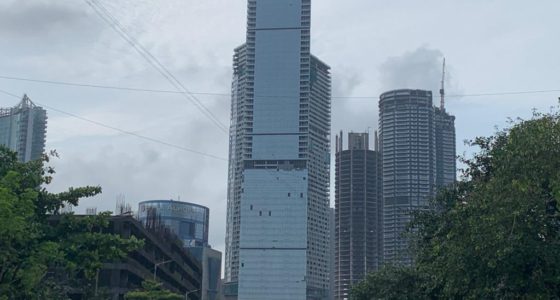

Between the years 2021 and Q1 2024, 164.3 million sq ft of new buildings were added to India’s Grade A office stock, according to JLL. During the same period, JLL noted that the top seven markets in India which include Bengaluru, Chennai, Delhi NCR, Hyderabad, Mumbai, Pune and Kolkata, witnessed a cumulative net absorption of ~113 million sq. ft out of which a massive 94.3 million sq. ft were in new-age buildings (buildings completed since 2021). The improved asset quality and sustainability ratings have been positively impacting space take-up across India’s office markets.
Total net absorption for top seven cities as per asset completion timeline
| Year of Completion | Top 7 cities*Cumulative Net Absorption, million sq. ft (2021-March 2024) |
| Pre-2016 | 4.4 |
| 2017-2020 | 13.9 |
| 2021 Onwards | 94.3 |
| Total | 112.6 |
Source: JLL Research
*Top seven cities include Bengaluru, Chennai, Delhi NCR, Hyderabad, Mumbai, Pune and Kolkata
Tech occupiers and Global Capability Centres (GCCs) flock to futuristic, modern assets
The South Indian cities, Bengaluru, Hyderabad, Chennai, as well as Pune are the tech and GCC hubs of the country, accounting for ~84% of all GCC leasing activity since 2021. The preference for modern assets is even more pronounced here as we have witnessed vacating of close to ~4.5 million sq. ft of space in buildings completed prior to 2016, considered as old assets.
On the other hand, there has been a total net absorption of ~70 million sq. ft in projects completed since 2021, clearly outlining how more modern assets are being preferred by global occupiers as a part of their real estate strategy. This is evident given that such assets provide the right mix of amenities and drivers to create a holistic workplace environment for employees as firms look to ramp up office occupancies.
Total net absorption for four cities as per asset completion timeline
| Year of Completion | Four Tech Cities**Cumulative Net Absorption, million sq. ft (2021-March 2024) |
| Pre-2016 | -4.5 |
| 2017-2020 | 6.6 |
| 2021 Onwards | 70.1 |
| Total | 72.2 |
Source: JLL Research
**Four tech cities include Bengaluru, Chennai, Hyderabad, and Pune
Green-rated Buildings: A game-changer but not solely defining
“The great push towards sustainable real estate has been quite evident in the past 3-4 years, driven in large part by the active occupiers in the country. This is visible in the fact that of the 164.3 million sq. ft completed since 2021, 71% was green certified upon project delivery. Resultantly, India has seen its share of green-certified office stock in overall Grade A stock rise substantially from just 39% in 2021 to 56% in March 2024. What is more interesting is that, of the 94.3 million sq. ft net absorption recorded in buildings completed since 2021, 3/4th was recorded in such green-rated projects,” said Dr Samantak Das, Chief Economist and Head of Research and REIS, India, JLL.
The preference becomes even more evident given that green-rated buildings with completion dates of 2017-2020 also accounted for a 70% share of net absorption seen in buildings within this age group.
Completion timeline-wise total net absorption in green-certified buildings
| Year of Completion | Top 7 cities1Cumulative Net Absorption, million sq. ft (2021-March 2024) | Green-certified buildingsCumulative Net Absorption, million sq. ft (2021-March 2024) |
| Pre-2016 | 4.4 | -1.4 |
| 2017-2020 | 13.9 | 9.7 |
| 2021 Onwards | 94.3 | 69.9 |
| Total | 112.6 | 78.2 |
“Green ratings are not the only factor in occupier decision-making. Building quality and finishes, amenities etc. are equally relevant. Older buildings despite being green-rated have shown occupier exits between 2021-March 2024 signaling that while being a critical factor, green ratings may not be the single determining factor. Building upgrades and futureproofing are key drivers to keep a building relevant for occupiers, which include factors around sustainability as well as overall project upkeep and amenities upgradation,” said Rahul Arora, Head – Office Leasing & Retail Services, India and Senior Managing Director – Karnataka, Kerala, JLL