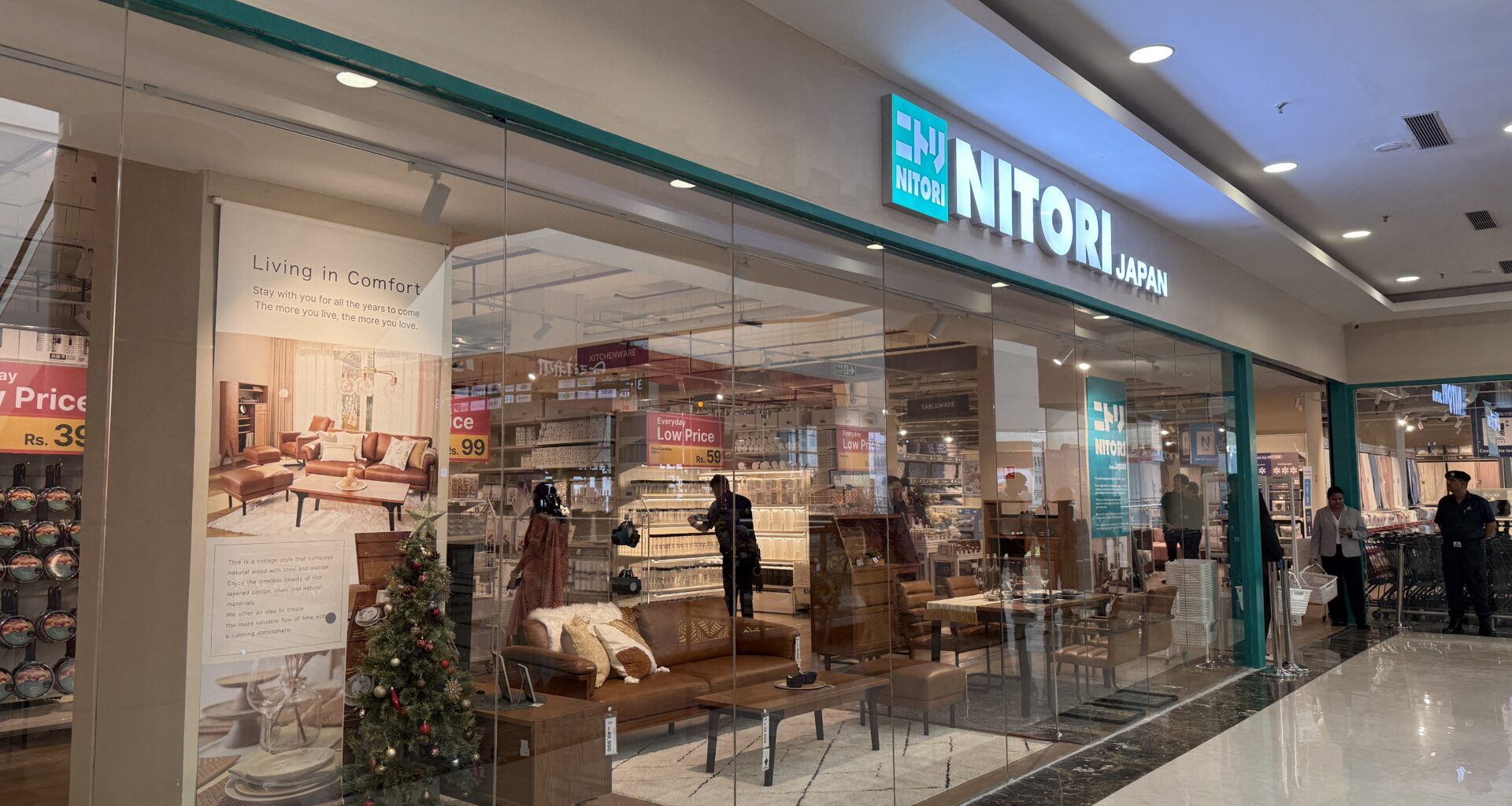

Nitori, Japan’s largest furniture and home furnishing retail chain, has inaugurated its first store in India at R City Mall in Ghatkopar, Mumbai. The new store, covering 32,000 sq. ft., offers a wide range of affordable, high-quality furniture and decor for Indian homes. This marks Nitori’s entry into the USD 23.9 billion Indian home furnishing market, as part of its global expansion plan to operate 3,000 stores worldwide by 2032.
The grand opening featured a ribbon-cutting ceremony, cultural performances, and a showcase of Nitori’s product collection. Masanori Takeda, Executive Vice President of Nitori Holdings, emphasized the importance of the Indian market in fulfilling the company’s mission to enrich homes globally.
The R City Mall, a 1.2 million sq. ft. retail hub that attracts over 1 million visitors monthly, provides Nitori with excellent exposure. The store features a variety of products for living rooms, kitchens, and bedrooms, including sofas, beds, dining tables, curtains, and more.
Nitori is planning to open 280 stores globally by 2032, with a significant focus on expanding in Asia, including more locations in India.
Also Read: MahaRERA soon to bring a method to monitor quality housing