GRSF and Primus Partners release bold blueprint to reshape Indian cities by 2047
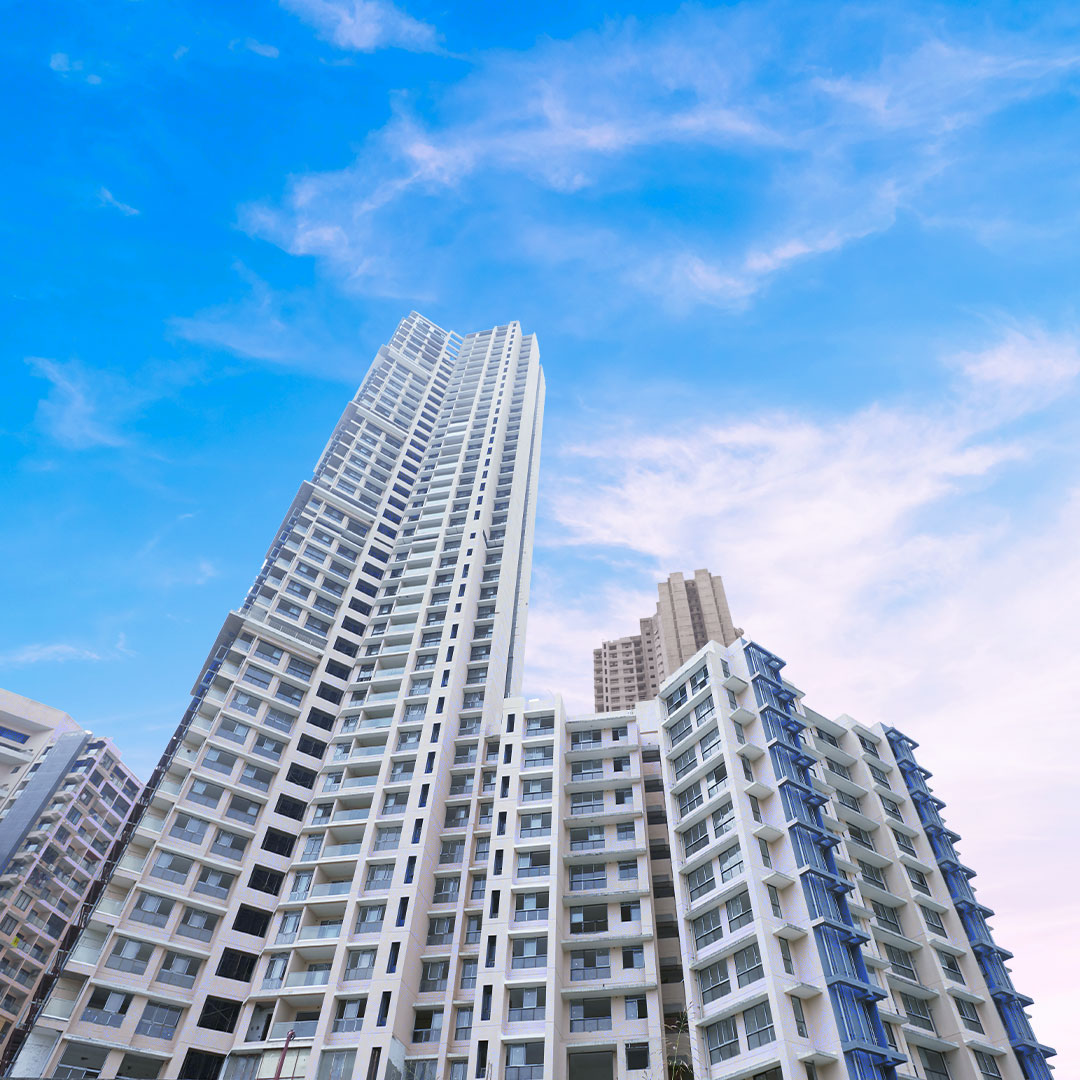
A powerful new report titled “Rethinking City Redevelopment: Bold Strategies to Propel India’s Urban Future” has laid out a transformative vision for how India must rebuild its urban centres—by shifting from unchecked sprawl to inclusive, sustainable redevelopment.
Released by the Global Real Estate Strategy Forum (GRSF) in collaboration with Primus Partners, the report warns that traditional city-building models are no longer viable. India’s urban land is expanding 2.5x faster than its population growth, risking economic inefficiency, infrastructure breakdowns, and worsening inequality.
Aarti Harbhajanka: “We Must Craft Urban Spaces That Are Future-Ready”
In a compelling foreword, Aarti Harbhajanka, Managing Director of Primus Partners, emphasized the urgency of this shift.
“The redevelopment of our cities must align with evolving demands while preserving the socio-cultural fabric that defines India’s urban identity. From embracing green infrastructure to ensuring equity, we must craft cities that are resilient, inclusive, and future-ready,” she said.
Harbhajanka also called for collaborative governance and innovative financing to overcome roadblocks, adding:
“This vision is not just about infrastructure. It is about creating accessible spaces and economic opportunities for all.”
Urban India: Growing, but Fragile
India’s urban population is projected to cross 40% by 2030 and 52% by 2050. Yet cities are burdened with:
- 2.27 million dilapidated homes
- 65 million slum residents
- Annual losses of 5–8% of GDP due to inefficiencies
The report notes that many Indian cities, such as Pune, have expanded land-wise sevenfold over two decades without matching infrastructure, creating fragmented and unequal urban environments.
Key Recommendations: A Four-Pronged Strategy
- Area-Based Redevelopment: Move from isolated projects to integrated, district-wide plans.
- Affordable Rental Housing: Introduce FSI incentives and digital governance to generate mass-scale rental stock.
- Comprehensive Planning + Private Sector Participation: Enable PPPs, land value capture, and planning frameworks that attract long-term capital.
- Community Engagement: Institutionalize ward committees, consultations, and grievance redress mechanisms.
The report also includes a “Redevelopment Roadmap 2047” that targets:
- Zero sprawl and 100% resilient infrastructure
- Transit-oriented cities with 70% public transport share
- Mandatory affordable housing quotas
- AI-based predictive maintenance systems
- Widespread EV infrastructure and smart utilities
Lessons from Abroad, Grounded in India
Drawing inspiration from Singapore’s Housing Development Board, London’s Docklands regeneration, and São Paulo’s favela upgrades, the report calls for India to localize global best practices. Projects like Bhendi Bazaar in Mumbai and East Kidwai Nagar in Delhi are highlighted as domestic models of area-based transformation.
The Road Ahead
“We are now in an era where redevelopment is no longer a matter of choice—it’s an absolute necessity,” said Ranjit Naiknavare, President, CREDAI-Pune Metro, quoted in the report.
“Success depends on how inclusive, scalable, and people-centric our strategies are.”
The report makes it clear: India’s future cities must not only house more people—they must do so smarter, greener, and more fairly.
Also Read: Dharavi redevelopment project