
Millennials, Gen Z, and Gen Alpha drive new retail trends amid rising online shopping and high-value consumption focus.
India’s retail real estate market is undergoing a major transformation, driven by shifting consumer preferences, digital disruption, and growing demand for experience-centric shopping. According to the latest ANAROCK Research, Apparel and Food & Beverage (F&B) brands together accounted for a massive 54% of total retail leasing in the first half of 2025 (H1 2025) across the top 7 cities — a sharp rise from 37% in 2023.
📊 Retail Leasing Share – H1 2025 (Top 7 Cities)
| Category | Leasing Share (%) |
|---|---|
| Apparel | 33% |
| F&B | 21% |
| Entertainment Zones | 16% |
| Home & Lifestyle | 11% |
| Beauty & Wellness, Sports, Jewellery | 19% (Combined) |
Total Net Retail Absorption: 2+ million sq. ft. across top 7 cities
🧭 Leasing Share Trends (FY19 → FY25 → FY30 Projection)
| Category | FY19 | FY25 | FY30 (Projected) |
|---|---|---|---|
| Apparel | 42% | 37% | 32% |
| F&B | 8% | 12% | 16% |
| Jewellery | 2% | 5% | 13% |
🔍 Key Drivers of Change
✔️ E-commerce & Quick Commerce Impact:
Apparel brands, traditionally dominant in retail leasing, are now losing share to e-commerce and quick commerce platforms.
✔️ High-Value Consumption Rise:
Beauty & wellness, jewellery, sportswear, and experiential F&B concepts are gaining strong traction across malls.
✔️ Tech-Savvy Consumer Influence:
Retail is shifting to customized, tech-enabled formats to attract and retain attention of digital-first generations.
💬 Expert Take
🗣️ “Individually, the leasing share of apparel – currently the top leasing category – has declined from 42% in FY19 to 37% in FY25, and is expected to fall further to 32% by FY30. F&B, on the other hand, saw its leasing share increasing from 8% in FY19 to 12% in FY25, with projections to rise further to 16% in FY30.”
— Anuj Kejriwal, CEO & MD, ANAROCK Retail
🗣️ “Today’s consumers want more than products – they want experiences, meaning, and alignment with their values. This paradigm shift is realigning Indian retail like never before.”
— Anuj Kejriwal, ANAROCK Retail
🧠 Consumer Shift at the Core
Millennials and Gen Z are setting the tone with their demand for:
- 🛒 Convenience: Fast access via online and quick commerce
- ❤️ Emotional connection: With brand stories and values
- 🎯 Personalization: Tailored offers, tech-enabled experiences
- 🌱 Sustainability & ethics: Conscious consumerism on the rise
These evolving preferences have created opportunities for F&B lounges, jewellery showrooms, gaming zones, and fitness/wellness centres to thrive in modern malls.
🛍️ Retail Reimagined: What’s Next?
Retailers must now:
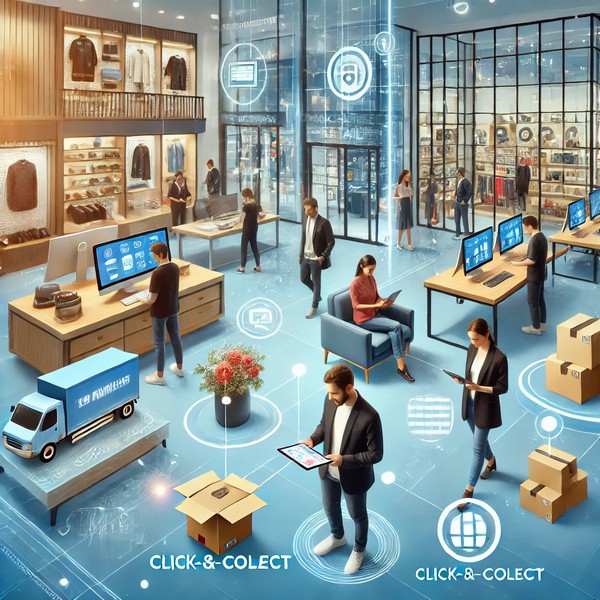
- ✅ Blend physical & digital (phygital) strategies
- ✅ Prioritize AI, automation & personalization
- ✅ Create immersive, value-led experiences
- ✅ Align with sustainability & cultural consciousness
With the leasing share of traditional categories like apparel declining, and high-engagement categories gaining ground, the writing on the wall is clear — experience is the new currency in India’s retail evolution.
📌 Summary Box
Top Insights from H1 2025 Retail Leasing:
- 54% of leasing came from Apparel (33%) and F&B (21%)
- Jewellery segment grew from 2% (FY19) to 5% (FY25); expected 13% by FY30
- Retail is transforming to serve new-age, digital-first, experience-hungry consumers
- Quick commerce, AI, personalization & sustainability are redefining the game
Also Read: Supply Trends – Key Office Markets in India