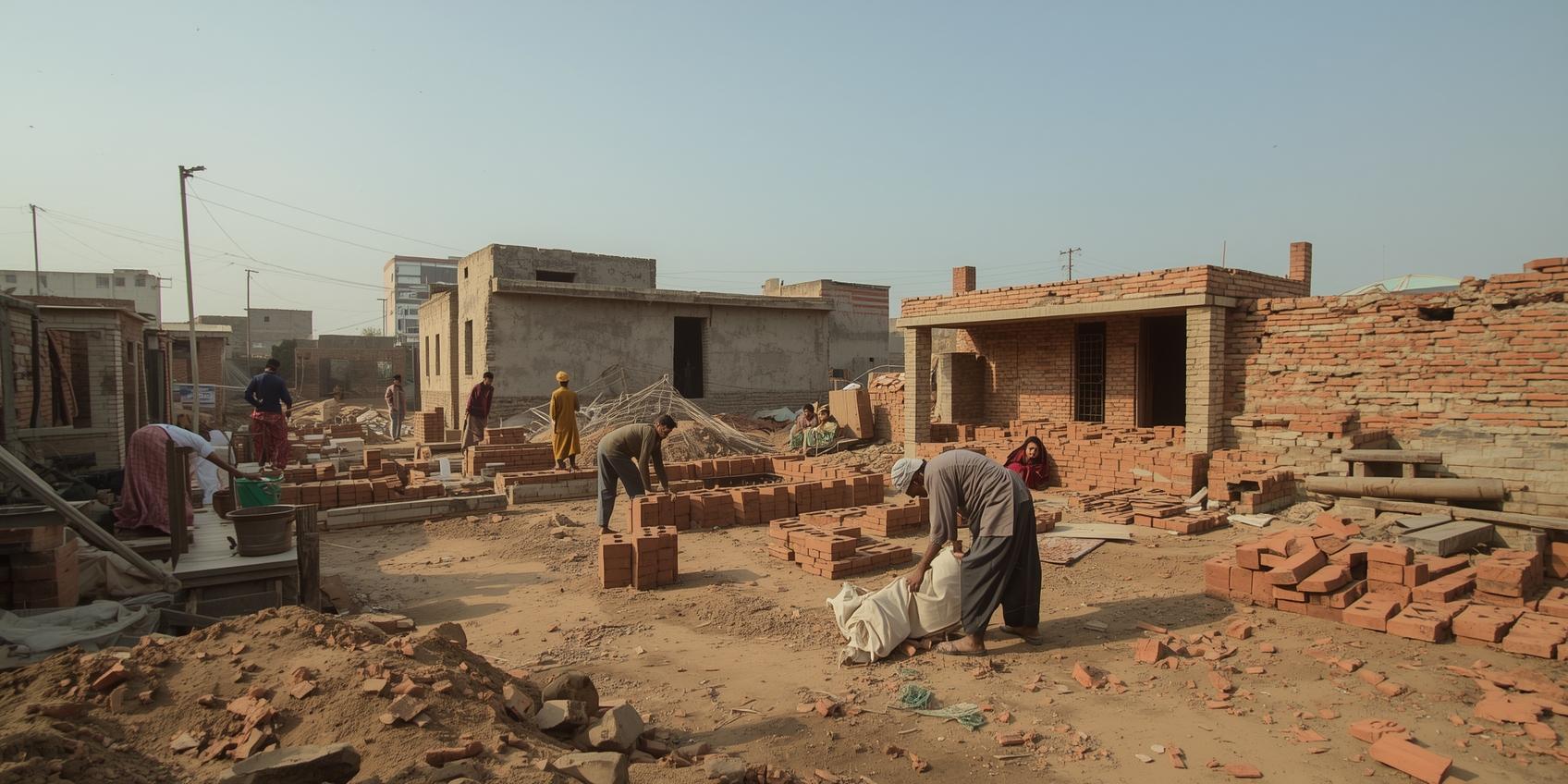

In a significant ruling dated June 8, 2026, the Bombay High Court in Waman Narayan Bhave (through legal heirs) vs Dev Bappa Co-operative Housing Society Ltd. has held that housing societies cannot claim ownership of land merely on the basis of flat purchase agreements executed with individual members.
The judgment, delivered by Justice Gauri Godse in Second Appeal No. 425 of 2003, sets aside concurrent rulings of lower courts that had declared the Thane-based Dev Bappa Co-operative Housing Society Ltd. as the owner of the land and directed the original landowner to execute a conveyance deed in its favour.
The Core Dispute
The case centered on a plot of land in Thane on which a residential building had been constructed and occupied by members of the society. While flat purchasers had agreements in place with the developer or landowner, the legal ownership of the land itself remained with the original owner, Waman Narayan Bhave.
The society approached the court seeking a declaration that it was the owner of both the land and the building.
Chronological Background
1977 – Agreement to Sell
An agreement was executed between the landowner and the promoter of the proposed society for sale of the land. However, the transaction was never completed, and only a token amount was paid.
1981 – Suit Filed by Society
The society filed a civil suit seeking a declaration of ownership. Crucially, it did not seek specific performance of the agreement or a direction for conveyance.
1989 – Trial Court Verdict
The trial court ruled in favour of the society, holding that agreements with flat purchasers under the Maharashtra Ownership Flats Act 1963 (MOFA) entitled the society to ownership. It also directed execution of a conveyance deed.
2002 – Appellate Court Upholds Ruling
The District Court confirmed the decision, relying on MOFA provisions and the occupation of flats by members.
2003 – Second Appeal Filed
The landowner challenged both rulings before the High Court.
June 8, 2026 – High Court Judgment
After prolonged litigation, the High Court overturned both decisions.
Key Legal Findings
The High Court identified multiple legal flaws:
- No Title, No Ownership:
The society failed to produce any valid title document establishing ownership of the land. - Flat Agreements ≠ Land Ownership:
Agreements with individual flat buyers under MOFA do not automatically transfer land ownership to the society. - Relief Beyond Pleadings Invalid:
The society had only sought a declaration, yet the lower courts granted conveyance—something never properly claimed. - Specific Relief Act Violation:
Under the Specific Relief Act 1963, courts cannot grant a mere declaration when a more substantive relief is available but not sought. - Abandonment of Conveyance Claim:
The society had attempted to amend its suit to include a conveyance prayer but later withdrew it. The High Court held that such a claim, once abandoned, cannot be indirectly granted.
Final Order
The High Court:
- Quashed and set aside the judgments of the trial and appellate courts
- Dismissed the original suit filed by the society
- Granted no costs
Why This Matters
This ruling has major implications for housing societies and homebuyers:
- Flat agreements alone do not confer ownership of land
- Societies must obtain conveyance or deemed conveyance to secure title
- Legal drafting and proper relief claims are critical
- Lack of conveyance could impact redevelopment and financing
For thousands of societies in Maharashtra awaiting conveyance, this judgment is a stark reminder: possession and agreements do not equal ownership.
Conclusion
The Bombay High Court’s ruling reinforces a fundamental principle in real estate law—the distinction between contractual rights and legal ownership. Without a valid conveyance, societies cannot claim title to land, regardless of long-term possession or flat sale agreements.