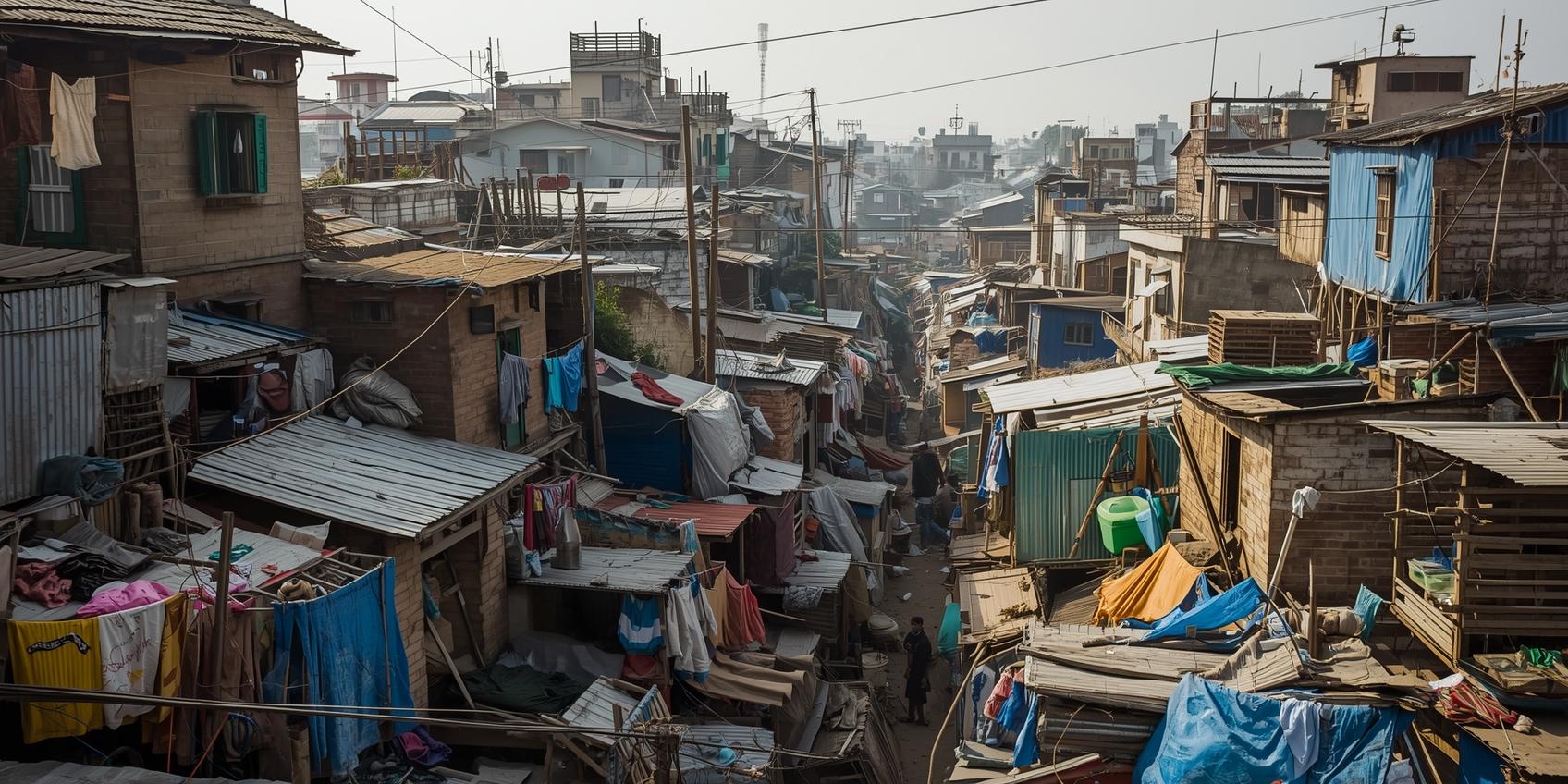

In a significant clarification with major implications for Mumbai’s old chawl residents, the Slum Rehabilitation Authority (SRA), Mumbai, has informed the Maharashtra Government that no policy currently exists for rehabilitating first-floor residents of authorized chawls under the Slum Rehabilitation Scheme. As a result, not a single such chawl has been redeveloped or surveyed to date. The letter is dated Nov 27, 2025.
The update comes in response to a query raised by government, who had written to the government seeking clarity on rehabilitation rights for first-floor occupants of pre-1976 chawls.
The SRA’s detailed response was addressed to Rajendra R. Desai, Under Secretary, Government of Maharashtra, and provides a rare official admission of a long-standing policy void that affects thousands of families living in old Mumbai chawls.
Key Government Clarifications
1. No Financial Burden on Government
The SRA stated unequivocally that the Slum Rehabilitation Scheme is a self-financing model.
This means:
- State Government will face no direct or indirect financial burden even if rehabilitation benefits are extended to first-floor tenants.
- Developers cross-subsidize rehabilitation through free-sale components.
This clarification answers the Finance Department’s concern about fiscal impact.
2. No Policy for First-Floor Chawl Residents — Hence No Redevelopment
One of the most crucial disclosures:
- There is currently no government policy for first-floor residents of authorized chawls existing on or before 1 January 1976.
- Because no policy exists:
- No redevelopment of such chawls has ever been carried out under SRA
- No eligibility surveys have been conducted
This revelation highlights a long-standing gap in Mumbai’s rehabilitation framework, potentially leaving first-floor tenants in limbo for decades.
3. No Budgetary Allocation Required
The SRA reiterated that since the scheme is self-funded, no budgetary provision is made for this category of rehabilitation.
Why This Matters
Mumbai has hundreds of pre-1976 chawls, many with first-floor residents who have lived there for generations. While ground-floor tenements are recognized as eligible for SRA rehabilitation based on the 1976 cutoff, first-floor occupants remain policy orphans.
This clarification confirms:
- These families receive no automatic protection or right to free rehabilitation units
- Developers cannot officially include them in rehab calculations
- Redevelopment proposals remain stalled or legally vulnerable
Stakeholders — especially in North Mumbai where former MP Gopal Shetty raised the issue — argue this creates discrimination between equally old residents of the same structure.
Next Steps: Government Must Frame a Policy
With the SRA formally stating the policy gap, pressure is expected to mount on the Housing Department to:
- Create a clear rehabilitation eligibility framework
- Conduct baseline surveys of first-floor chawls
- Enable stalled redevelopment proposals to proceed
Until then, thousands of first-floor chawl residents remain without clarity on their future in any redevelopment project.
Also Read: Bombay High Court Caps Construction at ‘The Imperial’ Tardeo, After Residents Object