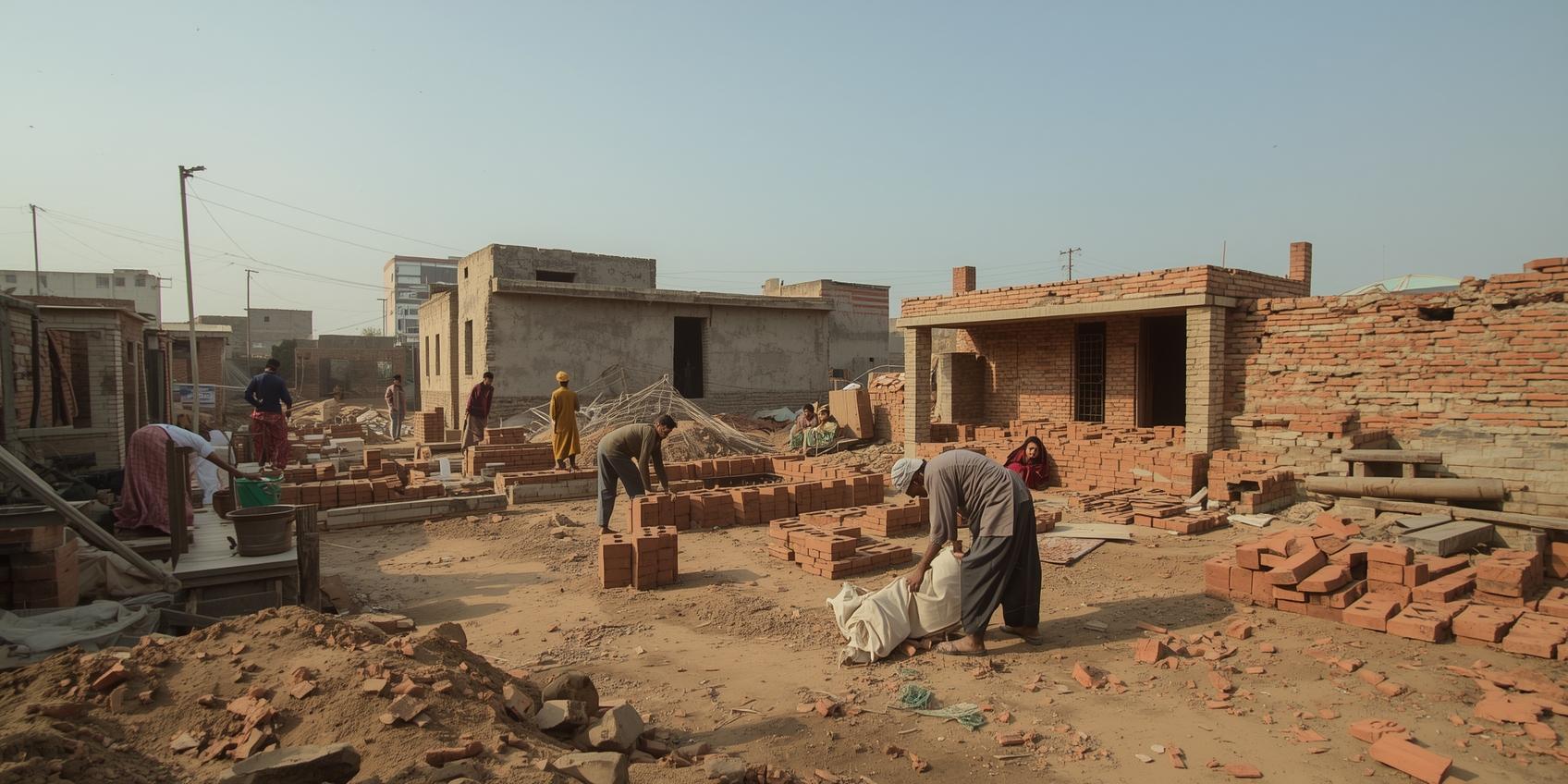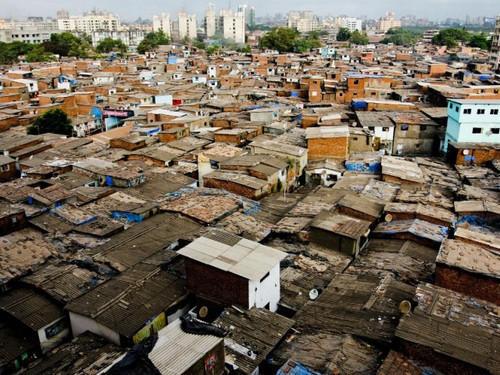
The Union Cabinet has approved the transfer of 256 acres of salt pan land to the Maharashtra government, marking a significant advancement in Mumbai’s urban development efforts. This land, located in Mulund, Bhandup, and Kanjurmarg, is crucial for the Dharavi Redevelopment Project (DRP), which aims to address the city’s housing shortages and promote balanced urban growth.
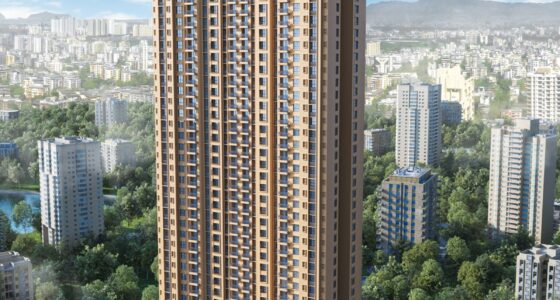
The newly allocated salt pan lands will serve a dual purpose: accommodating non-eligible residents from Dharavi and supporting the construction of new residential units. The Special Purpose Vehicle (SPV) responsible for the DRP will oversee the development, which includes building 350 square feet tenements for eligible Dharavi residents and 300 square feet units for those who are ineligible under the current scheme.
Construction on these lands will commence in tandem with the development of rehabilitation units for eligible Dharavi residents. However, progress has faced setbacks, including delays caused by the Customs Department’s use of a portion of the land at Wadala. As a result, only 256 acres are currently available for transfer, while a broader analysis by the Mumbai Metropolitan Region Development Authority (MMRDA) identifies 40 salt pan lands totaling 5,221 acres across the city and suburbs.
The Maharashtra government will now be responsible for transferring the lands to the DRP and facilitating the construction of housing units. The state’s housing department estimates that between 300,000 to 400,000 residents will need to be relocated to rental housing as part of the redevelopment process. An ongoing survey aims to identify eligible residents, with preliminary results indicating that around 11,000 households have been assessed so far. The survey is expected to be completed by March next year, potentially accelerating the construction timeline.
Also Read: Dharavi Redevelopment Construction Set to Begin Within Six Months
Despite the progress, the relocation strategy has faced resistance, particularly from local communities in Mulund and Kurla. This opposition has been exacerbated by recent political shifts in Mumbai’s North East parliamentary constituency. Balancing development goals with resident concerns will be crucial for the successful implementation of the Dharavi Redevelopment Project.
Overall, while the Dharavi Redevelopment Project is set to play a key role in addressing Mumbai’s housing needs, overcoming logistical challenges and community opposition will be essential to achieving its objectives.