
In a significant boost to Mumbai’s urban transport infrastructure, the Maharashtra government has approved the disbursement of ₹1,500 crore for the financial year 2025–26. This funding comes from the 1% additional stamp duty surcharge levied on property transactions in municipal areas—an important revenue stream closely linked to the real estate sector.
What is this 1% Stamp Duty Surcharge?
Under provisions of the Mumbai Municipal Corporation Act, 1888 and the Maharashtra Municipal Corporations Act, 1949, the state levies an additional 1% stamp duty surcharge on property transactions such as sale, gift, mortgage, and lease.
This surcharge is specifically meant to fund large-scale urban transport projects, particularly in metropolitan regions like Mumbai where infrastructure demand is closely tied to real estate growth.
₹1,500 Crore Allocation: Agency-wise Breakdown
The government has approved the distribution of funds across key infrastructure agencies as follows:
- ₹1061.77 crore allocated to Mumbai Metropolitan Region Development Authority (MMRDA)
- ₹196.47 crore allocated to Maharashtra Metro Rail Corporation Ltd. (Maha-Metro – Pune/Nagpur)
- ₹241.76 crore allocated to Mumbai Metro Rail Corporation Ltd. (MMRCL)
- Total disbursement: ₹1500 crore
Where Will the Money Be Used?
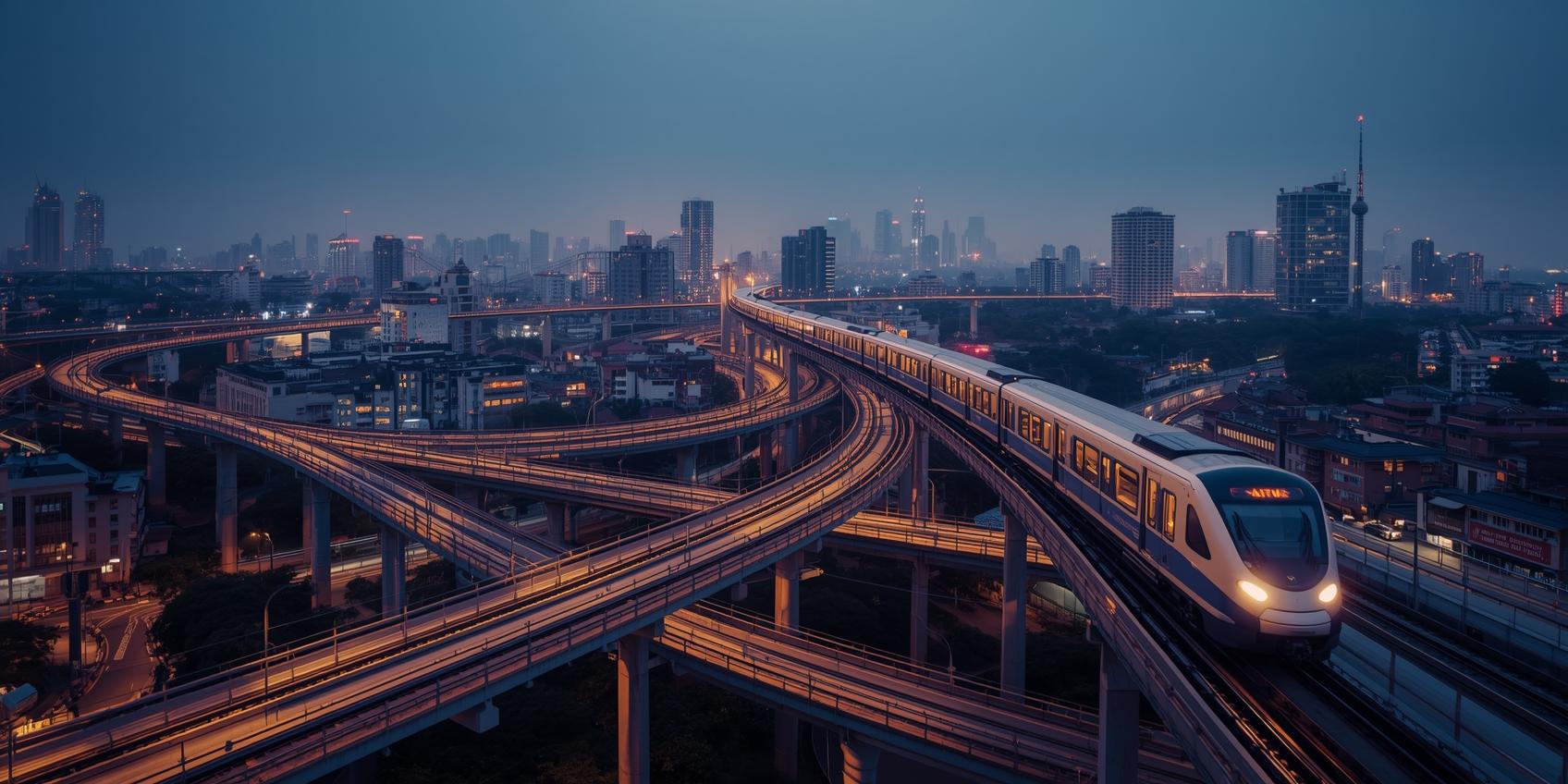
The funds are not just general grants—they are strategically earmarked for loan repayment obligations of major metro and infrastructure projects.
- MMRDA will primarily use the funds for interest and repayment of loans taken for metro and other infrastructure projects, especially liabilities due between January and May 2026.
- Maha-Metro (Pune/Nagpur) will use ₹196.47 crore specifically for repayment of loans for Pune Metro Phase-1, with dues falling in March 2026.
- MMRCL (Mumbai Metro Line-3) will utilize ₹241.76 crore for external loan repayments related to the underground Metro Line-3 project, covering March and April 2026 obligations.
Why This Matters for Real Estate
This development is highly relevant for property buyers, developers, and investors:
1. Stamp Duty Directly Fuels Infrastructure
Every property registration in Mumbai contributes to this 1% surcharge. This GR clearly shows how real estate transactions are directly funding metro expansion.
2. Metro = Real Estate Value Boost
Projects funded through this pool—like Metro Line-3 and MMRDA-led corridors—have a direct impact on property prices, connectivity, and demand hotspots across the Mumbai Metropolitan Region (MMR).
3. Financial Stability of Infra Projects
By ensuring timely loan repayment, the government is maintaining the financial health and execution pace of these mega projects—reducing delays that often impact real estate sentiment.
Key Administrative Points
- The funds will be released as non-conditional grants
- The Urban Development Department will oversee disbursement through designated financial officers
- Agencies like MMRDA, MMRCL, and Maha-Metro must maintain proper accounts and submit utilization details to the state
Bigger Picture
Mumbai’s real estate market and infrastructure development are deeply interconnected. With rising property registrations contributing to stamp duty collections, the government is effectively recycling real estate-driven revenue into metro expansion.
This ₹1,500 crore infusion reinforces the state’s commitment to urban mobility, faster connectivity, and sustained real estate growth—especially in a city where infrastructure often dictates property value.
Also Read: Pune records best monthly stamp duty collection for FY 2022-23 in March