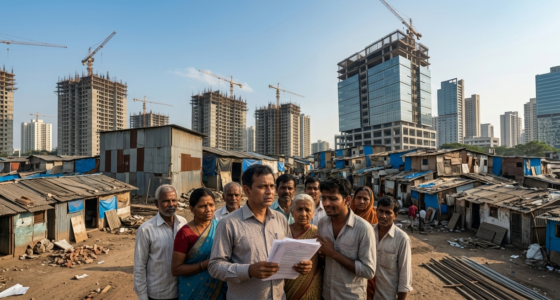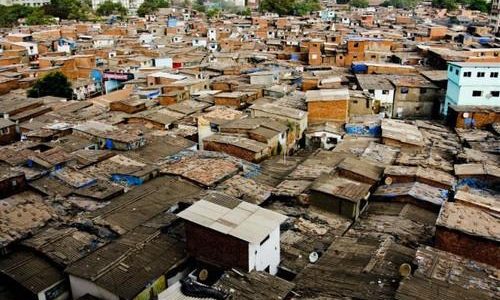

The Slum Rehabilitation Authority (SRA) has quietly built up a massive financial operation — collecting over ₹982 crore in rent from developers and disbursing more than ₹701 crore to slum dwellers.
These numbers, updated on the SRA’s official website, reveal the scale of Mumbai’s rehabilitation ecosystem — and come at a time when the government has armed the Authority with sweeping new powers to attach properties of defaulting builders.
Mumbai’s Slum Rehab Ecosystem by the Numbers
- 2.79 lakh+ rehabilitation flats have received occupancy certificates.
- 3.36 lakh+ rehabilitation flats are currently under construction.
- ₹982.07 crore+ collected as rent from developers.
- ₹701.75 crore+ disbursed as rent to slum dwellers.
The data reflects the SRA’s expanding administrative and financial role in ensuring that those displaced during slum redevelopment projects are compensated promptly — at least on paper.
Government’s Crackdown: No Escape for Defaulting Developers
Earlier this year, the Maharashtra government empowered the SRA to recover unpaid rent and dues from developers by treating them as arrears of land revenue.
This means the Authority can now attach or sell properties, freeze bank accounts, or recover money directly from defaulting developers and their associates — a first for the city’s slum redevelopment regime.
The rule change comes amid growing frustration among slum residents who often go months, or even years, without receiving promised transit rent while their rehabilitation homes remain incomplete.
Developers Under Pressure
Developers are now required to:
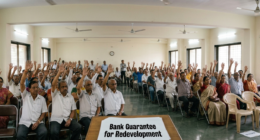
- Deposit advance rent (up to two years) before getting project permissions.
- Submit post-dated cheques for the remaining rent duration.
- Maintain strict financial compliance with SRA’s updated monitoring framework.
Failure to comply could now result in immediate recovery actions — a move expected to curb the long-standing issue of stalled projects and unpaid compensation.
Why These Numbers Matter
- For Slum Dwellers:
The ₹701 crore disbursed shows that at least some projects are delivering rent relief. However, the gap between collections and disbursements also indicates delays and pending cases. - For Developers:
With the SRA now armed with legal powers, non-compliance could mean frozen assets, stalled projects, and reputational damage. - For Investors:
The data signals that the slum redevelopment segment — once considered high-risk — is becoming more regulated and transparent, though stricter enforcement may slow down weaker developers.
A System Under Transformation
For decades, slum rehabilitation in Mumbai has struggled with delays, rent disputes, and abandoned projects.
Now, the combination of data transparency and legal enforcement could mark a turning point — one where developers can no longer default, and slum residents finally gain some protection against years of displacement.
The ₹700 crore milestone isn’t just about disbursed rent — it’s a signal that Mumbai’s most complex housing system is finally being held accountable.
Also Read: SRA issues 107 pre-monsoon work permissions