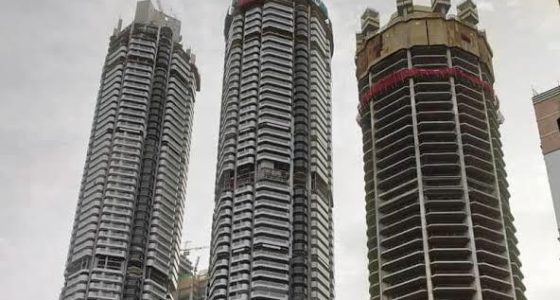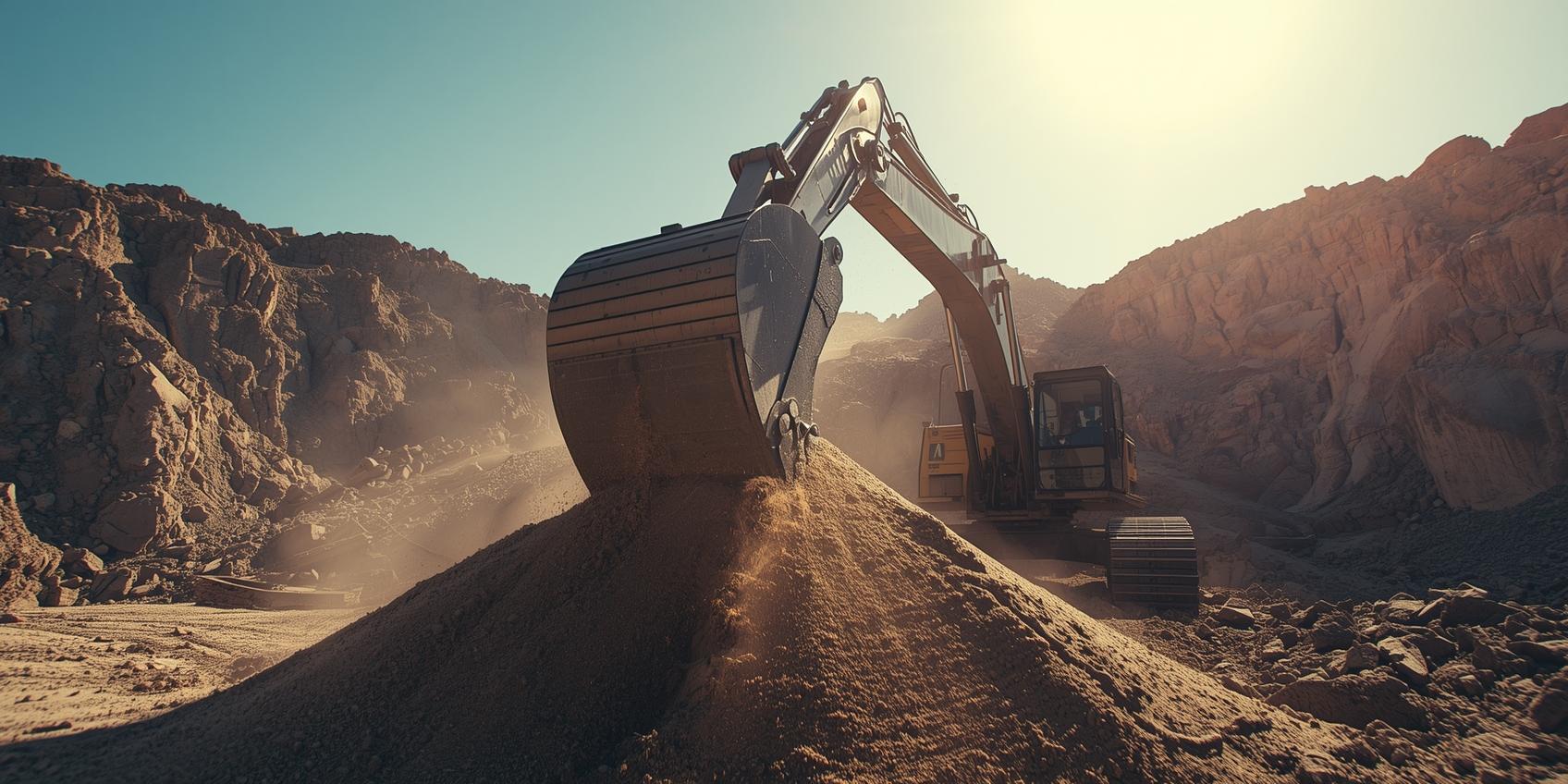

In a major push towards sustainable and cost-efficient construction, the Maharashtra government has revised its M-Sand Policy 2025 — paving the way for widespread use of manufactured sand (M-Sand) as a substitute for river sand.
This move isn’t just about the environment — it could make homes cheaper and projects faster by stabilising sand supply and cutting down on inflated prices.
🏖️ What Exactly Is M-Sand?
M-Sand stands for Manufactured Sand — a scientifically produced alternative to river sand. It’s made by crushing hard stones like granite or basalt in high-precision machines, then washing and grading the particles to match natural sand quality.
So, instead of scooping sand from rivers, M-Sand is made in factories, ensuring consistent quality, controlled grain size, and zero environmental damage.
⚙️ How M-Sand Is Produced
- Crushing: Large stones are crushed into sand-sized grains using Vertical Shaft Impact (VSI) machines.
- Washing & Sieving: Dust and impurities are removed, leaving behind clean, uniform particles.
- Grading: The sand is sorted by size — coarse for concrete, fine for plaster or mortar.
- Testing: The end product must conform to Bureau of Indian Standards (IS 383:2016, IS 1542:1992) for safety and durability.
🌱 Environmental Benefits
Natural river sand extraction has caused:
- Erosion of riverbanks
- Falling groundwater levels
- Flooding and ecological imbalance
M-Sand solves this by:
✅ Reducing illegal mining
✅ Using controlled quarrying methods
✅ Allowing sand production near urban centres (less transport pollution)
✅ Saving river ecosystems and groundwater recharge
💰 How It Makes Construction Cheaper
Here’s where the policy becomes truly people-centric.
- Stable Supply = Stable Prices:
River sand prices often swing wildly — especially during monsoon or government crackdowns on mining. M-Sand can be produced year-round, bringing predictable and stable costs for builders. - Local Manufacturing = Lower Transport Costs:
Sand doesn’t need to travel from distant riverbanks; it can be made near construction clusters. This means logistics savings of 10–20% for developers. - Bulk Availability = Faster Construction:
Builders don’t need to halt projects waiting for sand supply. Continuous availability leads to faster completion of homes, reducing interest costs and benefiting buyers. - Affordable Housing Gains:
In large housing projects, sand alone accounts for 15–18% of raw material cost. Even a 10% price reduction in sand can make homes ₹50–₹100 per sq. ft. cheaper — a meaningful saving for middle-income buyers.
🧱 Why Builders Prefer M-Sand
Construction professionals already report these practical benefits:
- Uniform particle size gives better concrete strength
- Lesser impurities mean fewer cracks and shrinkage
- Higher bulk density improves durability
- Works well with modern mixing technology
In short — M-Sand is not just cheaper, it’s technically superior to much of the river sand available in the market today.
🏢 How Maharashtra’s Policy Boosts Adoption
The revised policy dated October 27, 2025, brings multiple incentives:
- Each district will get at least 50 M-Sand units, with power to increase this number as per demand.
- Only Maharashtra-based companies can set up such units on government land.
- Units must meet strict BIS quality norms, failing which licenses can be suspended for six months or cancelled permanently.
- M-Sand plants must start production within one year of approval.
👷♂️ The Bigger Picture — From Rivers to Factories
India’s construction sector consumes nearly 500 million tonnes of sand each year. Dependence on natural sources has led to environmental degradation and erratic costs.
By shifting focus to M-Sand, Maharashtra aims to:
✅ Protect its rivers
✅ Lower the cost of housing
✅ Encourage local entrepreneurship
✅ Generate employment in rural and peri-urban belts
🏁 In Short
M-Sand is more than a policy — it’s a bridge between sustainable environment and affordable housing.
With Maharashtra’s proactive stance, your next home could be built faster, greener, and at a lower cost.