
100% Additional Development Charges from SRA Projects to Go into Urban Transport Fund
Mumbai | October 15, 2025: In a landmark decision, the Maharashtra Government has directed that all additional development charges collected under Slum Rehabilitation Authority (SRA) projects be deposited into the Urban Transport Fund (UTF) — ensuring that real estate redevelopment is directly supporting Mumbai’s urban mobility and infrastructure.
🏘 From Slum Redevelopment to City-Wide Impact
SRA projects have long been known for transforming Mumbai’s informal settlements into formal housing. But beyond providing new homes, these schemes generate development charges under Section 124B (2-1A) of the Maharashtra Regional and Town Planning Act, 1966.
Previously, this money was split — with two-thirds going to BMC and one-third retained by the SRA. However, after a 2015 amendment that doubled the development charges, the government has now decided to channel the entire additional amount into the UTF.
This means that as Mumbai’s skyline changes through SRA-led redevelopment, a parallel transformation is being funded beneath the surface — roads, metros, bridges, and transport networks.
💰 The New Rule: 100% Funds to UTF
The government order issued on October 15, 2025, by the Housing Department, clearly states:
- 💯 100% of the increased development charges collected by SRA must be deposited into the Urban Transport Fund.
- ⏱ The transfer must happen in real-time as collections are made.
By integrating the SRA’s revenue with UTF, the city ensures that money generated by redevelopment goes straight into building public infrastructure, rather than being split across multiple agencies.
🚇 Urban Transport Fund: The Engine Behind Mumbai’s Transformation
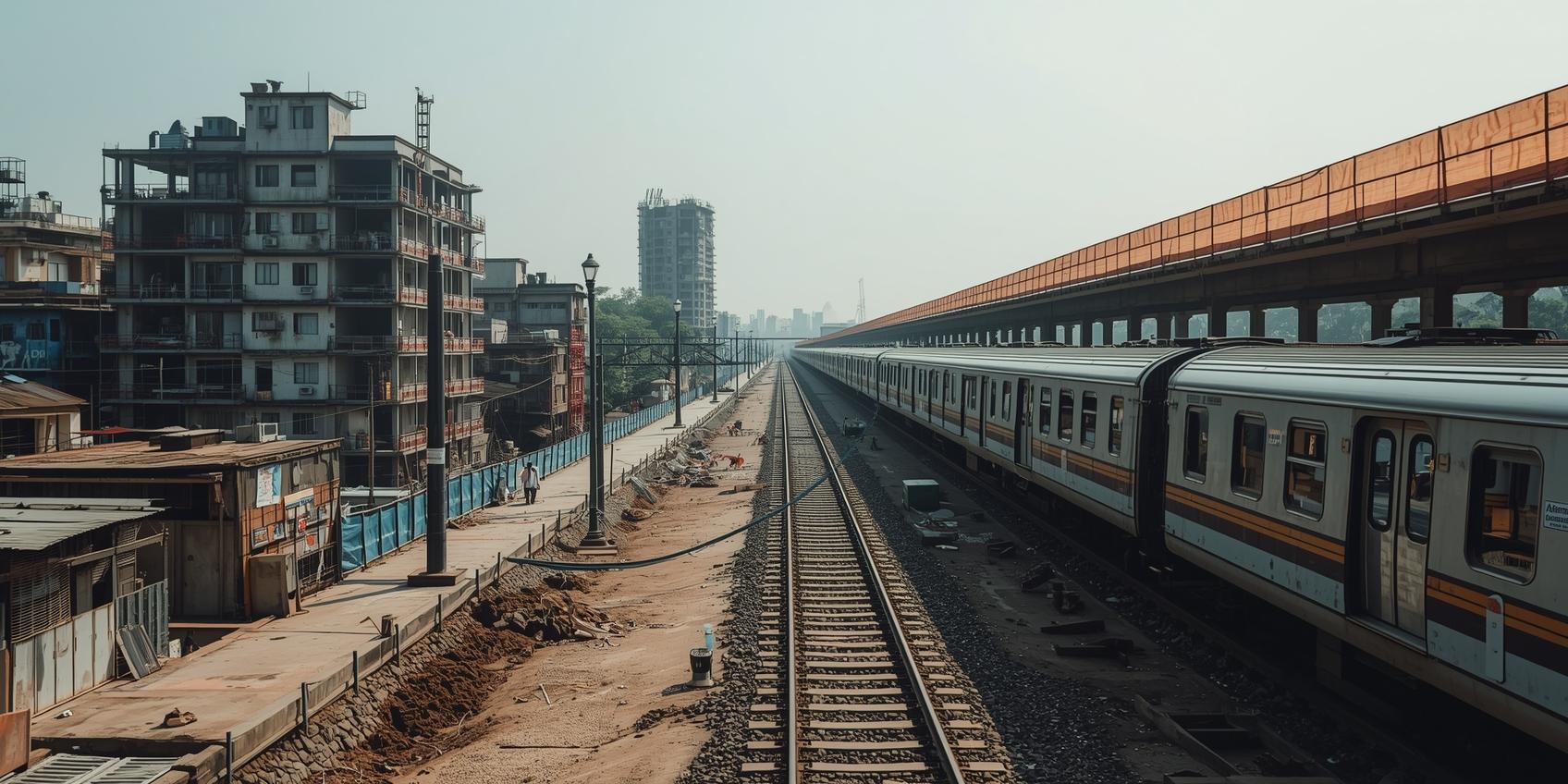
The Urban Transport Fund (UTF) is a critical financial pool used to support Mumbai’s major infrastructure projects — including metro lines, coastal roads, bridges, and public transport systems.
With hundreds of SRA projects under implementation, the additional revenue stream to UTF is expected to grow significantly, giving the city more fiscal capacity to accelerate urban mobility projects.
🏙 Why This Matters
- Linking redevelopment with infrastructure: This policy bridges two major urban challenges — housing for the urban poor and improving transport.
- Sustainable funding: Instead of depending entirely on budgetary allocations, Mumbai’s transport infrastructure will now benefit from a steady, redevelopment-linked funding source.
- Shared urban growth: As developers gain development rights and beneficiaries receive new homes, the city at large benefits through better mobility infrastructure.
📌 Policy in Context
- The government first structured the sharing of development charges through a resolution in 2001, splitting between BMC and SRA.
- In 2015, the charges were increased by 100%, but there was ambiguity about where this extra amount should go.
- Now, through this 2025 order, the entire increased amount will be routed to UTF, aligning redevelopment revenue with infrastructure goals.
Also Read: Will BJP’s Continued Rule Accelerate Slum Redevelopment in Mumbai?