
Mumbai’s Slum Redevelopment Set for Boost with Re-election of BJP-led Government
The re-election of the BJP-led Mahayuti government in Maharashtra has sparked optimism in the real estate and infrastructure sectors, with industry leaders expecting a renewed focus on slum redevelopment and urban infrastructure transformation in Mumbai.
Rajiv Agrawal, Co-Founder of Saarathi Realtors, welcomed the stable government formation, emphasizing that the continued leadership would accelerate efforts to transform Mumbai into a “world-class” city. Mumbai, one of India’s fastest-growing urban centers, has long struggled with the challenges posed by its expansive slum areas. The re-elected government, Agrawal believes, will now be able to push forward ambitious redevelopment projects, improving housing and infrastructure across the city.
A Promising Future for Real Estate in Mumbai
Agrawal expressed confidence that the victory of the BJP-led government would have a direct positive impact on the real estate sector, which plays a pivotal role in both housing and economic development. “This sector not only provides housing and commercial spaces but also generates direct employment for lakhs of people and contributes significantly to the GDP. With the same government now in power, we anticipate smoother policy implementation, particularly in terms of taxes and development incentives,” Agrawal said.
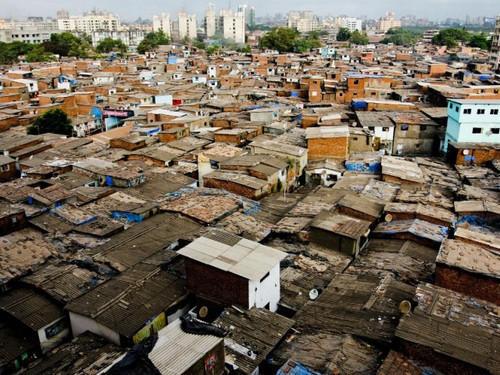
One of the primary areas of focus for the government will be accelerating slum rehabilitation projects. With approximately 2,600 slum clusters scattered throughout the city—from Colaba in the south to Dahisar in the northwest—redeveloping these areas is seen as key to alleviating the city’s housing shortage. The state’s Slum Rehabilitation Authority (SRA) is already overseeing over 1,700 ongoing rehabilitation projects, though many are stalled at various stages.
“Rehabilitation and redevelopment are crucial not only to improve the lives of Mumbai’s slum dwellers but also to unlock the city’s potential for modern infrastructure development,” Agrawal noted. “We expect the government to take decisive action, clearing bottlenecks and fast-tracking approvals, particularly for projects that have been delayed.”
Challenges and Opportunities in Slum Redevelopment
Despite the progress made since the SRA’s inception in 1995, more than half of Mumbai’s population still lives in slums. According to SRA data, over 500 slum rehabilitation projects are currently stuck, hindering the city’s redevelopment agenda. Agrawal emphasized the need for a more streamlined process to resolve these issues, calling for the formation of an arbitration committee comprising experts in slum clearance and redevelopment.
“The central government’s push for affordable housing, along with the state’s own ‘Housing for All’ initiative, needs the support of a dedicated committee to address the challenges unique to slum redevelopment,” he added. “Such an initiative would expedite the process and bring much-needed relief to both residents and developers.”
Looking to the Future: Economic Growth and Employment
As Mumbai embarks on its decades-long redevelopment journey, the economic and employment opportunities that will arise from these projects are significant. The real estate sector is expected to experience substantial growth, leading to increased job creation in construction, development, and related industries. Additionally, the redevelopment projects will contribute to the modernization of the city’s infrastructure, improving utilities, transportation, and public amenities.
Agrawal is confident that the continued efforts to clear slums and provide better housing will transform Mumbai into a more livable and sustainable urban center. “Mumbai’s growth trajectory looks promising, and with the government’s stable leadership, we are optimistic that the city will soon see transformative change that benefits both its residents and the broader economy,” he said.
As the government sets its sights on pushing Mumbai’s redevelopment projects forward, the real estate industry is watching closely, eager to see the long-awaited transformation take shape.
Also Read: In 150 Slum Redevelopment Projects tenants are waiting for rent worth ₹525 crore