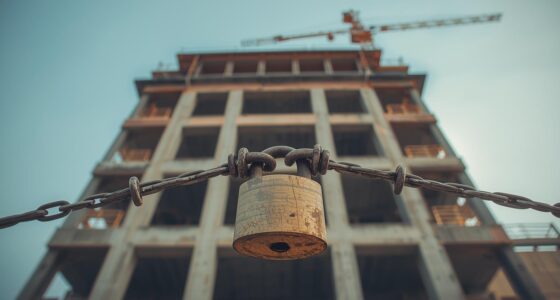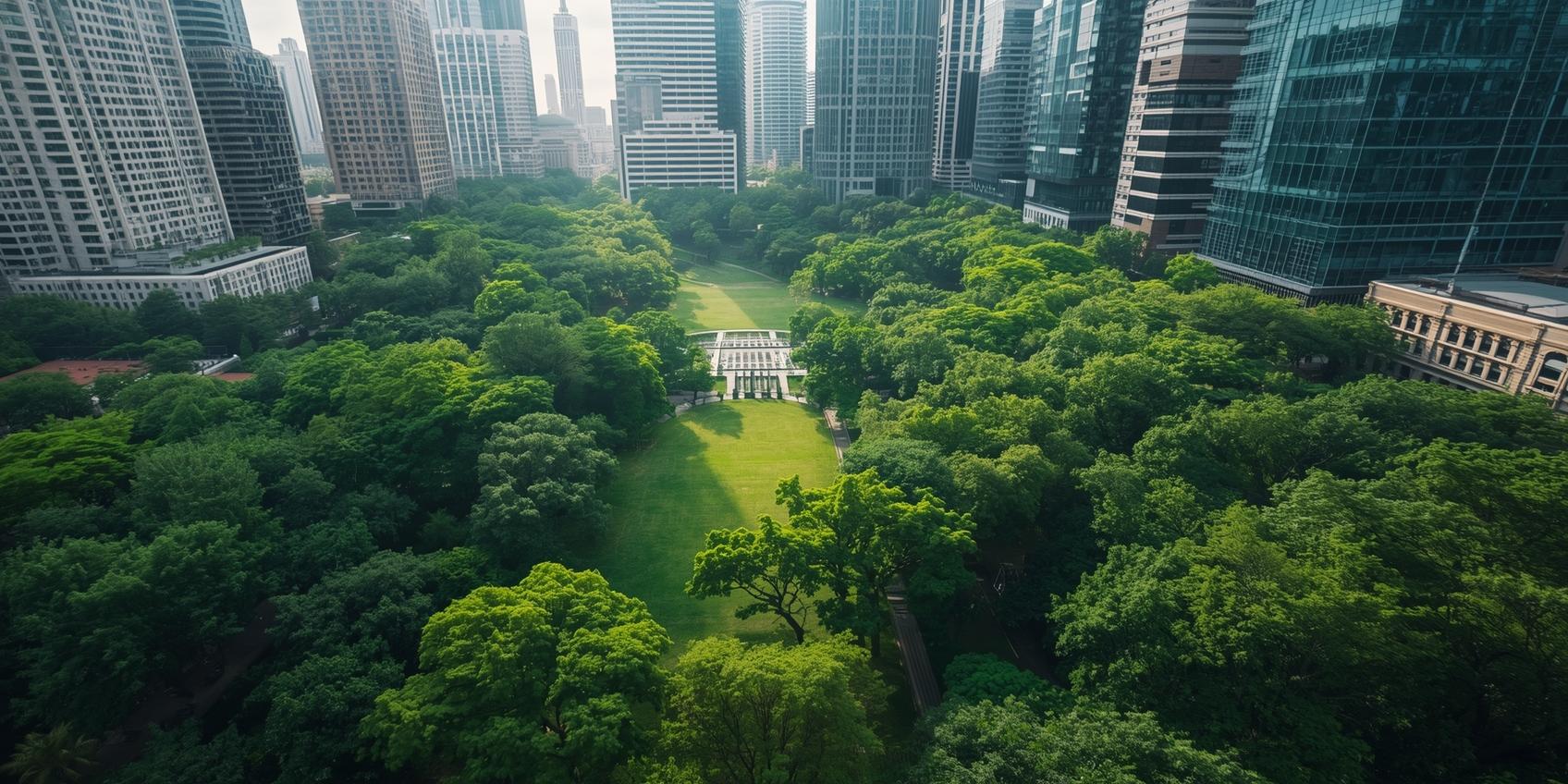

The Maharashtra government has formalized a Bombay High Court order, imposing strict new planning and monitoring rules on slum redevelopment to ensure citizens get free, usable public open space.
A Win for Citizens: Court Reclaims City’s Green Lung
The long-standing battle to protect Mumbai’s shrinking open spaces has culminated in a significant victory for citizens. Following a crucial Bombay High Court order, the Maharashtra Housing Department, through a government circular dated October 10, 2025, has issued directives to strictly enforce a mandate that requires 35% of land in certain Slum Rehabilitation Authority (SRA) schemes to be reserved, developed, and maintained as public open space.
This action stems from the High Court’s order dated June 19, 2025, on a writ petition (No. 1152/2002) filed by the NGO Alliance for Governance and Renewal (NAGAR) and others. The ruling addresses Regulation 17(3)(D)(2) of the Development Control and Promotion Regulations (DCPR) 2034, which governs slum redevelopment on lands originally reserved for public amenities. The court has directed the SRA and the State Government to ensure that no more than 65% of the total plot area is used for construction, with the remaining 35% dedicated as compulsory public open land.
Mandatory Conditions for Scheme Approval
The government circular lays out stringent, non-negotiable conditions for granting approval to SRA schemes, particularly those proposed on lands originally reserved for public use (like gardens, playgrounds, or parks) but currently encroached upon:
- Pre-Existing Encroachment: The encroachment on the land must pre-date the date of the Development Plan reservation.
- No Alternative Land: The developer must produce a certificate from the District Collector, authenticated by the Urban Development Department (UDD), confirming that no alternative government land is available for the rehabilitation component.
- Contiguous Open Space: The 35% open space must be clearly shown in the layout plan at the Letter of Intent (LOI) or Commencement Certificate (CC) stage. This space must be contiguous (one unified block), usable, and easily accessible to the public.
- No Future Shifting: The exact location, size, and orientation of the open space must be explicitly defined and cannot be modified or shifted under any pretext.
- Special Review: Final approval must be granted by the Special Urban Planning Review Committee established by the State Government, ensuring all conditions have been met.
A New Monitoring Committee for Ground Reality
To prevent the 35% open space from remaining just a ‘paper’ amenity or a poorly located, unusable patch, the SRA, Mumbai office, is mandated to constitute a dedicated “Special Monitoring Committee,” to be headed by the Deputy Chief Engineer of the SRA.
The committee’s key responsibilities are:
- Demarcation and Inspection: To properly demarcate the 35% open space and carry out physical inspections of the site.
- Park Development: To oversee the development of the area into a functional public park, including landscaping, installing benches, providing walking tracks, and proper illumination.
- Public Access: To ensure the developed park is made available for free access to all citizens, not just the residents of the new SRA buildings.
- Transfer and Reporting: To verify the formal handover of the developed 35% open space to the Municipal Corporation or Local Authority.
Developer’s Obligation: From Landscaping to Maintenance
The circular places clear obligations on the developer to ensure the sustained quality of these new public spaces:
- Amenity Development: The open space must be developed with standard park features, including green landscaping, shaded tree plantation, seating areas, play equipment, and safety measures.
- Formal Transfer: The developed area must be formally transferred to the local governing body (like the BMC) within 90 days of receiving the Occupation Certificate (OC) for the project.
- Maintenance Guarantee: The developer is required to submit a capital grant or a maintenance fund along with an indemnity undertaking for the upkeep of the open space for a minimum period of 3 years post-transfer.
Strict Accountability and Judicial Oversight
The government has emphasized immediate and strict compliance with the High Court’s directions. Any schemes found to be in violation of the 65% construction limit or the 35% open space mandate will face immediate corrective action, including disciplinary proceedings against the concerned officials who approved the non-compliant plans.
Furthermore, the SRA must submit a half-yearly (every six months) affidavit to the Bombay High Court detailing the schemes approved and the status of the development, transfer, and public access to the 35% open spaces. This ongoing judicial oversight underscores the seriousness of the mandate to protect Mumbai’s environmental integrity.