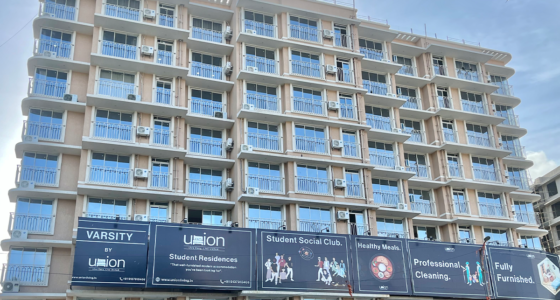

A recent MahaRERA order in the Poonam Heights case delivers a sharp and important lesson for homebuyers across Mumbai and India: having a genuine grievance is not enough—you must prove it with solid evidence.
📌 Background of the Case
The dispute was filed by the Poonam Heights Welfare Association, a society formed by flat purchasers, against the developer Timestar Limited and its associates. The buyers raised serious concerns:
- Project delay of nearly a decade
- Absence of Occupancy Certificate (OC)
- Lack of basic amenities
- Alleged unauthorized construction
- Financial irregularities
Based on these issues, the society demanded strong action:
- Revocation of the project registration
- Removal of the existing developer
- Appointment of a new developer
🏗️ Developer’s Defense
The developer pushed back with a very different narrative:
- The building was already completed and occupied
- Delays were caused by:
- Unauthorized alterations by flat buyers
- Regulatory hurdles and approvals
- COVID-related disruptions
- Claimed substantial compliance, including:
- Payment of ~₹6 crore for approvals
- Installation of systems like parking and fire safety
- Ongoing efforts to obtain OC
⚖️ What MahaRERA Examined
Instead of deciding emotionally or based on allegations, MahaRERA focused on a fundamental legal principle:
👉 Who has to prove?
The authority emphasized that:
- The burden of proof lies on the complainant (buyers)
- Allegations must be backed by:
- Documents
- Technical reports
- Official records
- Expert certifications
❗ Where Buyers Lost the Case
This is where the entire case turned.
MahaRERA observed:
- Buyers made broad and serious allegations
- But ❌ failed to submit supporting evidence
- No engineering reports
- No certified proof of illegal construction
- No official communications proving violations
On the other hand:
- The developer ✔️ submitted documents showing:
- Payments
- Approvals
- Compliance steps
🧑⚖️ Final Verdict
MahaRERA dismissed the complaint, stating:
The complainant failed to substantiate allegations with credible documentary evidence.
- ❌ No action against developer
- ❌ No project cancellation
- ❌ No cost awarded
🔍 Key Takeaway for Homebuyers
This case is a wake-up call.
👉 RERA is evidence-driven, not emotion-driven.
Even if:
- Your project is delayed
- Amenities are missing
- Builder has defaulted
You can still lose the case if you don’t present:
- Written records
- Expert reports
- Government notices
- Clear documentation
💡 What Homebuyers Should Do Before Filing a RERA Case
To avoid this mistake:
✔ Collect all agreements and payment proofs
✔ Document delays with official communication
✔ Get architect/engineer reports for defects
✔ Save emails, notices, and builder commitments
✔ File a structured, evidence-backed complaint
🎯 Conclusion
The Poonam Heights case highlights a harsh but critical truth:
In RERA, truth alone doesn’t win cases—proof does.
For thousands of homebuyers facing delays and builder issues, this order is a reminder to prepare thoroughly before approaching the authority.
Also Read: Double Booking Costs Builder Dear: MahaRERA Orders Refund to Homebuyer in Sunteck Project