
By Varun Singh
Mumbai is often described as India’s financial capital, the city of dreams, and the beating heart of the nation’s economy. Yet, for millions of its citizens, Mumbai is also the city of broken promises. For decades, the city has been systematically failed — by its politicians, by its administrators, and most consistently, by its own civic body, the Brihanmumbai Municipal Corporation (BMC).
The Paradox of the Richest, Yet Poorest in Service
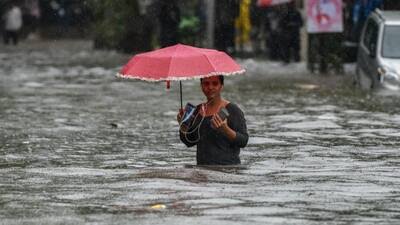
The BMC is the richest municipal corporation in the country, its budget larger than some Indian states. But this wealth has not translated into quality of life for Mumbaikars. Roads disintegrate within days of being patched. Even a few millimeters of rain choke the city. Potholes kill people every monsoon. Slums emerge overnight and become permanent fixtures under political protection. Garbage management remains erratic.
This paradox is not about money; it is about governance — or rather, the lack of it.
Politicians and Administrators: A Legacy of Neglect
For years, successive governments treated Mumbai as a revenue cow, extracting from it without reinvesting meaningfully. Bureaucrats and civic officials, shielded by corruption and political patronage, turned inefficiency into an art form.
The rot was most visible during the tenure of the UBT-led government. Metro projects that could have significantly eased the burden on commuters were stalled under the guise of “environmental concerns.” Meanwhile, the ambitious BDD Chawl Redevelopment project, floated in 2017 to give over 15,500 families new homes, ground to a halt. In 2020, Larsen & Toubro (L&T), one of the main contractors, threatened to pull out altogether, citing slow progress and administrative hurdles. Thousands of families waiting for dignified housing were left stranded.
This was not governance; it was paralysis.
The Fadnavis Intervention
Contrast this with Devendra Fadnavis’s tenure, where for the first time in decades, Mumbai saw a serious attempt to modernize.
- Coastal Road: A transformative project to ease traffic congestion.
- Atal Setu: Seamless connectivity between Mumbai and Navi Mumbai.
- Metro Expansion: The maximum number of metro projects were pushed during his government, offering a real alternative to the city’s overburdened transport.
On housing, his interventions were equally significant. Instead of appointing private developers with questionable motives, Fadnavis placed MHADA in charge of the BDD Chawl Redevelopment, ensuring top-tier contractors were brought in. He also floated global tenders for Dharavi’s redevelopment — Asia’s largest slum — and for GTN Nagar, one of Mumbai’s oldest refugee camps. Crucially, the vision was not displacement, but in-situ rehabilitation, at no cost to original residents.
This marked a rare moment in Mumbai’s history: a government thinking of ordinary Mumbaikars before builders.
The Present Pain and the Path Forward
Yes, today the city is under stress. Traffic jams have worsened, construction disrupts daily life, and patience is wearing thin. But this disruption is the result of decades of neglect finally being confronted. Mumbai is undergoing surgery after years of misdiagnosis. The pain is real, but so is the prospect of healing.
Yet one problem persists: while Fadnavis pushes relentlessly, the city’s administrative machinery does not. The BMC remains riddled with corruption. Civic officials are unaccountable. Police often dismiss the everyday grievances of citizens. Bureaucrats resist change, dragging their feet despite political will.
If Mumbai’s transformation is to succeed, the Chief Minister must now direct his attention towards the city’s officials — tightening the noose around corrupt systems and demanding accountability at every level.
Conclusion: Hope Amidst Betrayal
Mumbai has been failed repeatedly — by politicians who stalled projects, by administrators who obstructed, and by a civic body that squanders its wealth. The UBT government stalled infrastructure and allowed critical projects like BDD Chawl redevelopment to languish.
But under Fadnavis, the city is finally seeing a blueprint for change — roads, bridges, metros, and housing for those who built Mumbai with their sweat.
The frustration today is real. But unlike in the past, so is the hope. Because for the first time in a long time, there is leadership that dares to dream, and more importantly, has the track record to deliver. The battle ahead is not just against potholes or floods, but against the entrenched culture of corruption and apathy that has long defined Mumbai’s governance.
And that is a battle Mumbai cannot afford to lose.
Also Read: Devendra Fadnavis Puts Dharavi Redevelopment back on track