
Approvals for development projects shall be handed out in 60-days from MHADA and SRA affirmed housing minister. He was talking to developers via a webinar.
By Varun Singh
One of the things that is most dear to a developer is approvals. They mostly blame delay in approvals for their troubles.
However, they got to hear some sweet words on faster approvals from the housing minister recently.
Earlier this week, a webinar was organized by developers body NAREDCO. The main speaker in this webinar was Jitendra Awhad, the housing minister of Maharashtra.
The developers spoke about various aspects of real estate including concerns of the ailing sector.
The builders raised issues regarding ease of doing business, quick and digitization of approvals, rationalization of ready reckoner rates.
Their demands included suspension of section 18 read with 19{4} RERA act for two years, no stamp duty and GST for stipulated time frame.
Developers also want the government to restart SRA and kick start measures to regain traction in the sector.
Addressing the forum, Minister assured quick approvals shall be granted and no files will be kept pending for long.
According to a statement from NARECO, approvals related to MHADA, SRA and Repair Board will be sanctioned within 60 days as affirmed by the minister.
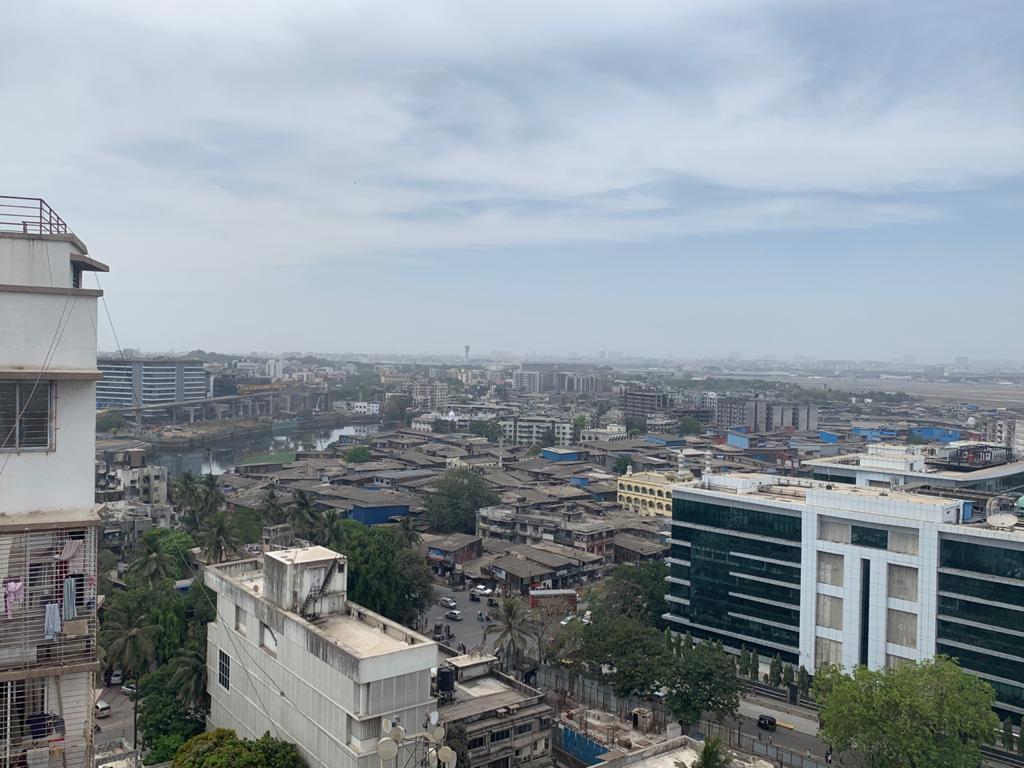
There are many MHADA colonies for which MHADA now is the planning authority. Similarly many slums are being redeveloped in the city of Mumbai, hence these two offices are of importance to developers and this announcement may come as a relief to them.
What was more for the real estate sector is that the final uniform DCR according to the minister has been tabled to the related authorities and is expected to be out shortly.
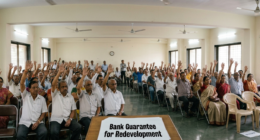
Redevelopment was another issue that was brought up in the discussion with the minister. Commenting on redevelopment, the minister said, “Purchasing lands is not feasible in the current scenario and we must look at the redevelopment of slums or buildings as an opportunity.”
He added “We are also working with the government to reduce premiums for two years and long standing demands to introduce uniform laws are in consideration.”
Dr Niranjan Hiranandani, National President, NAREDCO urged that, “There is dire need of ease of doing business to percolate down to the lower levels of bureaucracy, and time bound issuing of permission and clearances are imperative for the growth of the real estate sector.”
According to Hiranandani, the last mile funding challenges are holding up many projects where industry seeks an immediate intervention of the state government to help alleviate the challenging situation on ground.
NAREDCO also suggested making Maharashtra a digital economy.
Also Read: Price reduction not solution, research by builder body