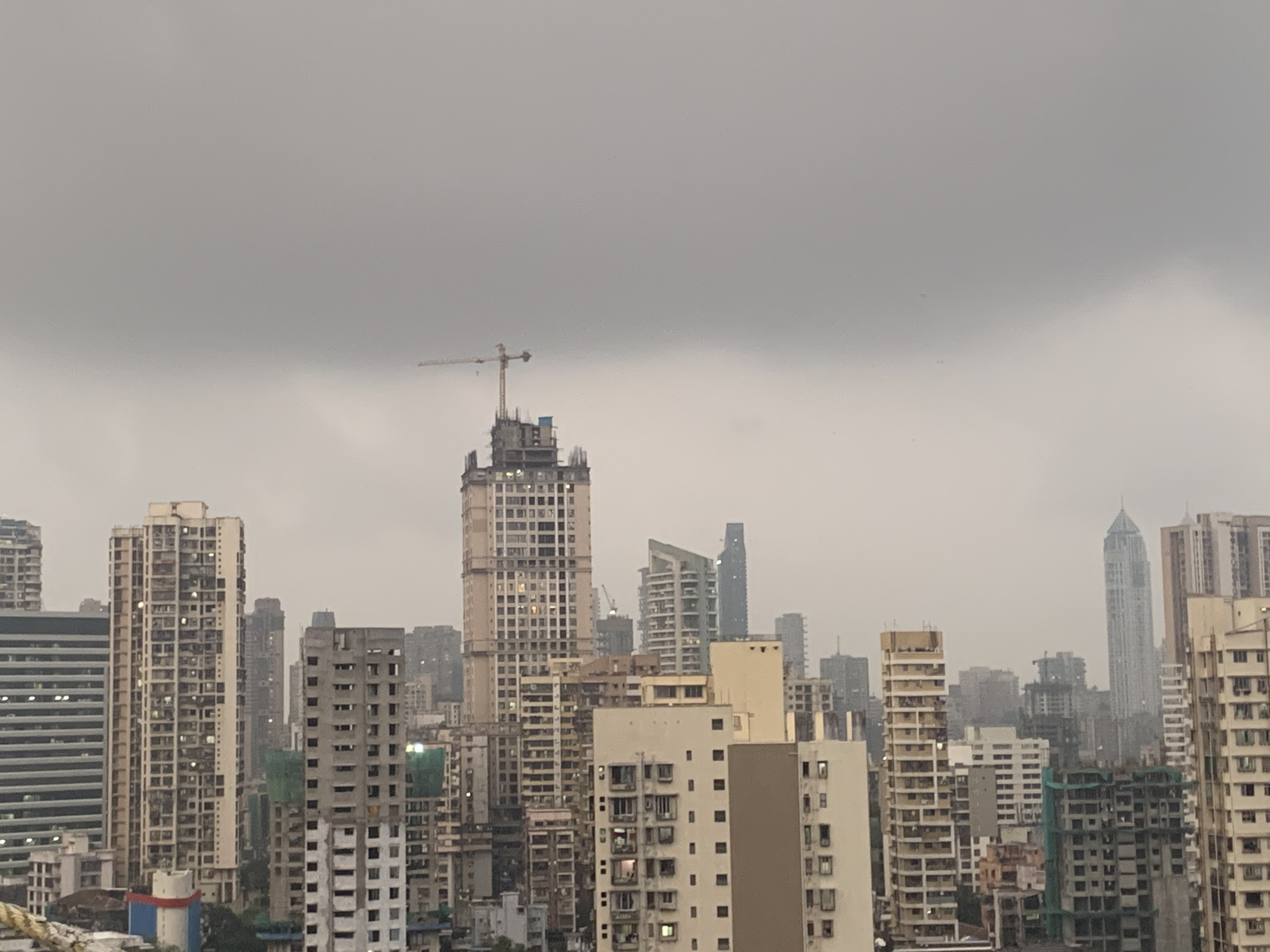
India’s residential real estate market continued to display resilience in the first quarter of 2026, with Bengaluru emerging as the standout performer, registering the highest price appreciation among the country’s top cities even as broader market conditions showed signs of moderation.
According to PropTiger’s Real Insight – Residential Q1 2026 report, Bengaluru recorded a sharp 24% year-on-year increase in average housing prices, reaching ₹9,785 per sq ft. This makes it the fastest-growing housing market in the country, second only to the Mumbai Metropolitan Region (MMR) in absolute price levels.
The city’s performance is particularly notable against the backdrop of a cooling trend across other major urban markets. While average housing prices across India’s top eight cities rose between 3% and 24% year-on-year, most markets experienced slower growth compared to the previous year.
Demand Strength Anchored in Employment Ecosystem
Bengaluru’s robust price growth is being driven by its unique demand fundamentals, particularly the sustained strength of its Global Capability Centres (GCCs) and startup ecosystem. These sectors have created a resilient employment base that continues to support end-user housing demand, even amid fluctuations in traditional IT hiring cycles.
The report highlights that Bengaluru achieved a rare combination of strong sales growth, near parity between supply and demand, and the highest price appreciation nationally—indicating a structurally strong and balanced market.
MMR Retains Price Leadership, NCR Growth Moderates
Mumbai MMR continued to command the highest housing prices in India at ₹15,120 per sq ft, registering a 20% year-on-year increase. Meanwhile, Delhi-NCR recorded an 18% price rise—significantly lower than the 43% growth seen in Q1 2025—suggesting a normalization phase after a sharp post-pandemic surge.
Across the top eight cities—Ahmedabad, Bengaluru, Chennai, Hyderabad, Kolkata, MMR, Pune, and NCR—average prices increased by 1% to 9% on a quarter-on-quarter basis, reflecting steady but controlled market momentum.
Notably, the weighted average housing price across these cities crossed a key psychological threshold, surpassing ₹10,000 per sq ft for the first time.
Sales and Supply Dynamics Reflect Market Discipline
Housing sales across the top eight cities stood at 95,973 units in Q1 2026, marking a marginal 2.2% year-on-year decline but a 1% quarter-on-quarter increase. Supply remained largely stable, with 93,065 units launched during the quarter.
Bengaluru recorded a 33% year-on-year increase in sales, alongside Chennai (43%), Hyderabad (25%), and NCR (11%). In contrast, sales declined in MMR, Pune, Kolkata, and Ahmedabad.
On the supply side, MMR remained the largest market with 27,189 units launched, followed closely by Bengaluru with 15,806 units. However, both cities saw a decline in supply on a year-on-year basis, indicating cautious developer sentiment.
Premium Segment Dominance Raises Absorption Questions
A key trend shaping the market is the continued concentration of new launches in premium and upper mid-income segments, particularly in cities like MMR, Bengaluru, and NCR. While this reflects strong demand for higher-value homes, it also raises concerns about slower absorption rates in these categories due to longer buyer decision cycles.
Industry experts note that this does not signal systemic stress but underscores the need for pricing discipline and targeted demand strategies, especially in the luxury segment.
Market Enters a More Mature Phase
The report suggests that India’s housing market has transitioned into a more disciplined and mature phase, where growth is increasingly driven by demand quality, inventory management, and buyer confidence rather than speculative activity.
Developers are prioritizing price stability and project viability over aggressive volume expansion, contributing to a balanced supply-demand equation.
Looking ahead, the remainder of 2026 will test whether this equilibrium evolves into a sustained growth cycle or consolidates further. The key challenge will lie in balancing premium housing supply with the need to cater to mid-income affordability—a factor that could define the next phase of the residential market’s trajectory.
Also Read: EMIs May Drop, Prices May Rise — Here’s What Q2 2025 Real Estate Data Means for You