
Birla Estates has launched a project in Worli, spread on 30 acres of land parcels with a booking value potential of Rs 20,000 crores.
by Varun Singh
Birla Estates Pvt Ltd, a 100% wholly owned subsidiary and the real estate arm of Century Textiles and Industries Limited (CTIL), has forayed into the premium and luxury real estate market in Worli. The company plans to develop overall 30 acres of land parcels in Worli in phases with a potential booking value of Rs 20,000 crore.
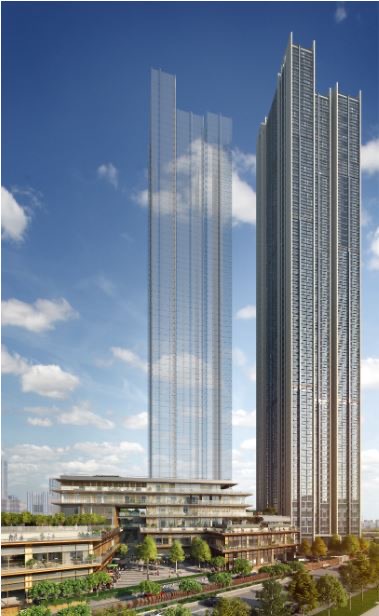
The maiden launch Birla Niyaara is a premium flagship development in this micro market. Spread across 14 acres, this is one of the largest integrated development in Worli.
The development costs for Birla Niyaara are Rs 5,500 crore.
K.T Jithendran, CEO, Birla Estates, said, “Century Mills has been one of Mumbai’s iconic landmarks and an important part of the Birla group’s history. Our intent is to create a new landmark in the Mumbai skyline with Birla Niyaara. While it is our flagship and maiden project in Mumbai, it has the potential to catapult Birla Estates into the top developers’ league. The entire project has been underpinned on sound principles of sustainable living which also cater to the evolving consumer needs. As a company our focus has always been on customer centricity, design, technology, and execution excellence and with these at the core we have curated an aspirational and urban lifestyle for our customers.”
The project is incorporated with the Birla Estate’s exclusive LifeDesignedTM philosophy. The project, is conceptualized and designed by architects Foster and Partners, it is a mix of contemporary and modern high rise living spaces, high end retail and elegant office buildings. The landscape is master planned and detailed by Sasaki and Coopers Hill respectively. Furthermore, with sustainability at the helm of every design, Birla Niyaara is India’s only LEED pre-certified platinum residential project signalling its strong sustainability credentials.
The apartments are designed to be column free internally. The multi-tiered amenities like the hi-line experience, bespoke social, sports and children’s clubs and themed garden landscape are specially curated wellbeing spaces, promoting an active and healthy lifestyle.
Home ownership has taken an all-new meaning in the post-COVID world. Homeowners want to ensure their health, wellness and sense of community is catered to while also being conscious of choosing a centrally located address in the city that matches their lifestyle aspirations and is self-sufficient. Keeping these consumer needs in mind and with the aim to nurture and enrich the consumer’s way of life, this first-of-its kind integrated development, offers premium homes with best-in-class services, futuristic amenities, and world class design.
Also Read: D Mart’s Avenue Supermarts wins 2 Residential Plus Commercial Plots in Kharghar for ₹40 Cr