
Building collapses have become an every year story, the city of Mumbai with 16,104 dilapidated structure, a policy is required to save lives.
By Varun Singh
Mumbai has seen a lot of changes over the last few years. From sky scrapers to bridges that crosses the sea. Real estate prices that can put every other city to shame.
But one thing that as a journalist, I have been reporting every year is building collapses and the loss of life.
The names of the residents who die beneath the debris of these old buildings are reduced to mere figures.
Pick up any newspaper today and you will read headlines shouting, 6 dead after a building collapse in Mumbai.
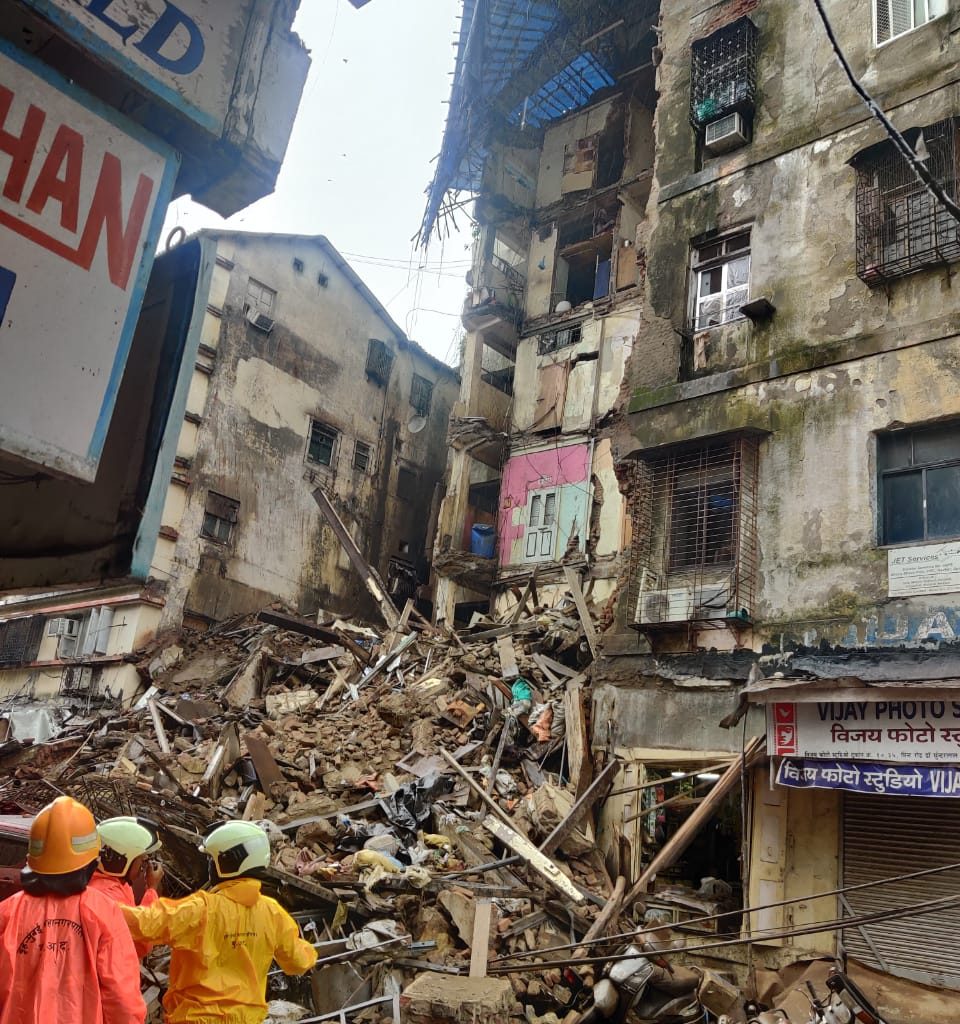
On Thursday, a portion of a building collapsed in Mumbai and six people lost their lives.
The story is same every year, just the number of deaths keep changing. Every year there’s a building collapse and people die.
Interestingly every year MHADA comes out with a list of most dangerous buildings in the city. And surprisingly you rarely see the names of collapsing structures in that list.
This year too, MHADA came out with a list of buildings that it declared as most dangerous. Surprisingly Bhanushali building of which a portion collapsed on Thursday, didn’t feature in the list.
There’s a major need to even overhaul this process, and use some technique that gives a concrete result so that such mishaps can be avoided.
Also Read: Mumbai city’s most dangerous buildings list is out
Building collapses and Mumbai have a long history, mostly because the city has a lot of old, dilapidated buildings, which have over lived their life, but are still occupied.
According to MHADA as of March 2008, there are 16,104 cessed buildings, originally there were 19,642 such buildings.
Of the 19,642 buildings, there are 16,502 A category buildings, which were constructed prior to September 1940, as of 2008 the figure stands at 13,360
B category buildings, which were constructed between September 1940 to December 1950 there are 1,489 buildings. As of 2008 there are 1,474 B category buildings.
And the C category buildings that were constructed post January 1950 to September 1969 stood at 1,651 buildings. As of 2008, the figure of C category buildings is 1,270.
The difference of 3,538 buildings over the period of time is because either they collapsed or have been redeveloped over a period of time.
The buildings collapse story runs in news for a few days, and everything is forgotten. It fades away from the memories of people too. They wake up only when there’s another building collapse.
Till date nothing concrete has been done by any government for redevelopment of all these dilapidated buildings.
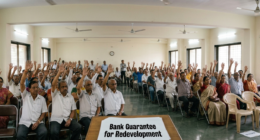
The need is for a proper planning for rehabilitation of the existing tenants and redeveloping these buildings.
Many tenants in spite of being fully aware that the buildings they residing in are dangerous and can collapse any time, continue staying in them.
The reason being, that they do not want to go to transit camps. Many tenants fear that once they go to a transit accommodation, they will never return.
In Sion’s Prateeksha Nagar, tenants have stayed in the transit camps for so long that many who originally shifted decades ago as a kid are grandparents now.
Time has come, or rather, the time has passed long back, that there be a policy made to tackle the dilapidated buildings of Mumbai city.
The government needs to win the trust of the tenants, make policies that are tenant friendly as well as landlords.
Most of the cessed building are owned by landlords, and the tussle of redevelopment gets stuck between developers-landlords-tenants.
The government should also come with certain fixed clauses, like time frame for redevelopment of old buildings. Include penalties for delay in redevelopment by developer and also see to it that officials do not sit on a file for long without any valid reasons.
Only a proactive step from the government will help the redevelopment of the old buildings in the city of Mumbai.
Or else every year we will have stories of building collapses and innocent people losing their lives because of it.
Also Read: Parking space expensive than cars in Mumbai