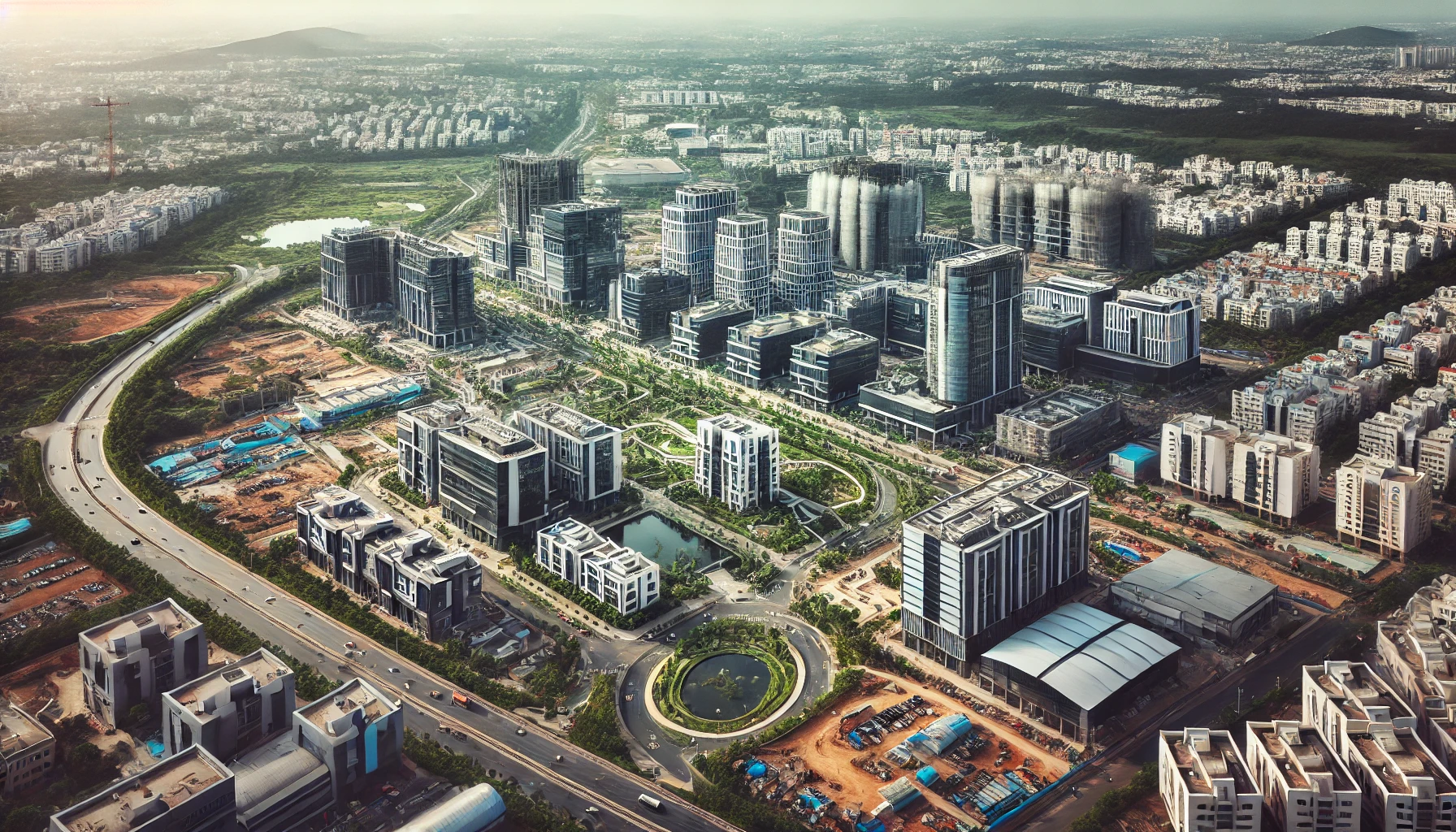

India’s real estate sector is on a transformative journey. By 2047—the centennial year of India’s independence—homes, offices, and industrial spaces are expected to grow at unprecedented rates. For homebuyers, this means more choices, better cities, and smarter investments. Let’s break down what’s coming and what it means for you.
1. Homes Will Be Bigger and More Affordable
Over the next two decades, India’s residential market is projected to double annual housing sales, from current levels to 1 million units per year by 2047. Rising incomes, urban migration, and supportive government policies like RERA are driving affordability.
| Year | Housing Units Sold (Million) | Key Trend |
|---|---|---|
| 2025 | 0.3–0.4 | Recovery post-pandemic, growing demand |
| 2030 | 0.5–0.6 | Tier II & III cities gain importance |
| 2047 | 0.8–1.0 | Increased affordability & urban expansion |
What it means for buyers: More options in both Tier I cities and emerging Tier II & III cities. Affordable and aspirational homes will become widely available.
2. Smart Cities and Urban Growth
India is urbanizing rapidly, with nearly 900 million people projected to live in cities by 2050. Infrastructure development, new townships, retail hubs, and digital connectivity will make cities smarter and more livable.
- Focus will expand from major metros to emerging economic corridors.
- Homes will increasingly come with green and energy-efficient features.
- Access to offices, schools, hospitals, and malls will improve, making city life more convenient.
3. Offices and Workspaces Will Shape Neighborhoods
Grade A office stock has already tripled since 2010, driven by technology, BFSI, and engineering sectors. By 2047, India will have 2.5–3 billion sq ft of office space, which will influence housing demand nearby.
| Year | Office Stock (Billion sq ft) |
|---|---|
| 2025 | 0.8+ |
| 2030 | 1.0+ |
| 2047 | 2.5–3.0 |
Impact on homebuyers: Proximity to offices and co-working spaces will create new residential hotspots, giving you more options in well-connected areas.
4. Industrial & Warehousing Growth = Better Job Hubs
Industrial and warehousing spaces will surpass 2 billion sq ft by 2047, driven by logistics, e-commerce, and manufacturing growth.
| Year | Industrial & Warehousing Stock (Billion sq ft) |
|---|---|
| 2025 | 0.3 |
| 2030 | 0.5 |
| 2047 | 2.0+ |
Impact: Increased employment opportunities will spur demand for homes in emerging cities, making Tier II & III cities viable for living and investing.
5. Retail, Hospitality & Lifestyle Options Will Multiply
By 2047, India will see 1,500+ malls, alongside growth in data centers, co-living, and senior living spaces. This means:
- Convenient shopping, dining, and entertainment near residential areas
- Modern living amenities like co-living and senior living options
- A vibrant urban lifestyle with higher convenience
| Segment | 2025 | 2047F | Impact on Homebuyers |
|---|---|---|---|
| Retail Malls | 750+ | 1,500+ | Easier access to shopping & leisure |
| Co-living Beds (Million) | 0.3 | 3+ | Flexible housing options for younger buyers |
| Senior Living Beds (Million) | 0.03 | 1+ | Comfortable options for retired citizens |
6. Sustainability and Smarter Homes
With India targeting 500 GW renewable energy by 2030 and net-zero emissions by 2070, homes will increasingly incorporate solar panels, energy-efficient designs, and eco-friendly materials.
What this means:
- Lower electricity and maintenance costs
- Environmentally conscious living
- Enhanced resale and rental value
7. REITs and Investment Opportunities
India’s Real Estate Investment Trusts (REITs) are gaining traction. By 2047, REITs could account for 40–50% of market capitalization, especially in office spaces.
For homebuyers:
- Growing institutional investment ensures more organized development
- Transparent pricing and safer investment in residential and mixed-use projects
Conclusion
By 2047, buying a home in India will not just be about owning property—it will be about:
- Better locations near offices, retail, and industrial hubs
- Smarter homes with sustainable features
- More affordable options in Tier II & III cities
- Future-ready lifestyle choices in co-living, senior living, and tech-enabled communities
India’s real estate is on a path to transform cities, neighborhoods, and opportunities—making it a homebuyer’s market like never before.
Also Read: 1 in 5 Home Loans Now Taken by Women