
Rural housing to drive demand recovery; credit profiles to remain stable on strong cash flows
Cement Sector Sees Revival in Demand and Profits
India’s cement industry is poised for a comeback in FY2025-26, with demand expected to grow by 6.5–7.5%, up from ~5% in the previous fiscal. According to a CRISIL Ratings analysis of 17 major cement companies—covering over 85% of domestic volumes—this growth will push operating profitability back above the decadal average.
“Higher rural housing demand and stable input costs will aid a Rs 100 per tonne improvement in profitability this fiscal,” said Anand Kulkarni, Director, Crisil Ratings.
📊 Demand Recovery in Cement Sector
| Metric | FY2024-25 (Last Fiscal) | FY2025-26 (Current Fiscal) |
|---|---|---|
| Cement Demand Growth | ~5% | 6.5% – 7.5% |
| Operating Profitability (₹/tonne) | ~₹880 | ₹975 – ₹1,000 |
| Decadal Average Profitability (₹/t) | ~₹965 | Surpassed |
| Price Realisation Growth | 0% | 2% – 4% |
Rural Housing Becomes Primary Growth Engine
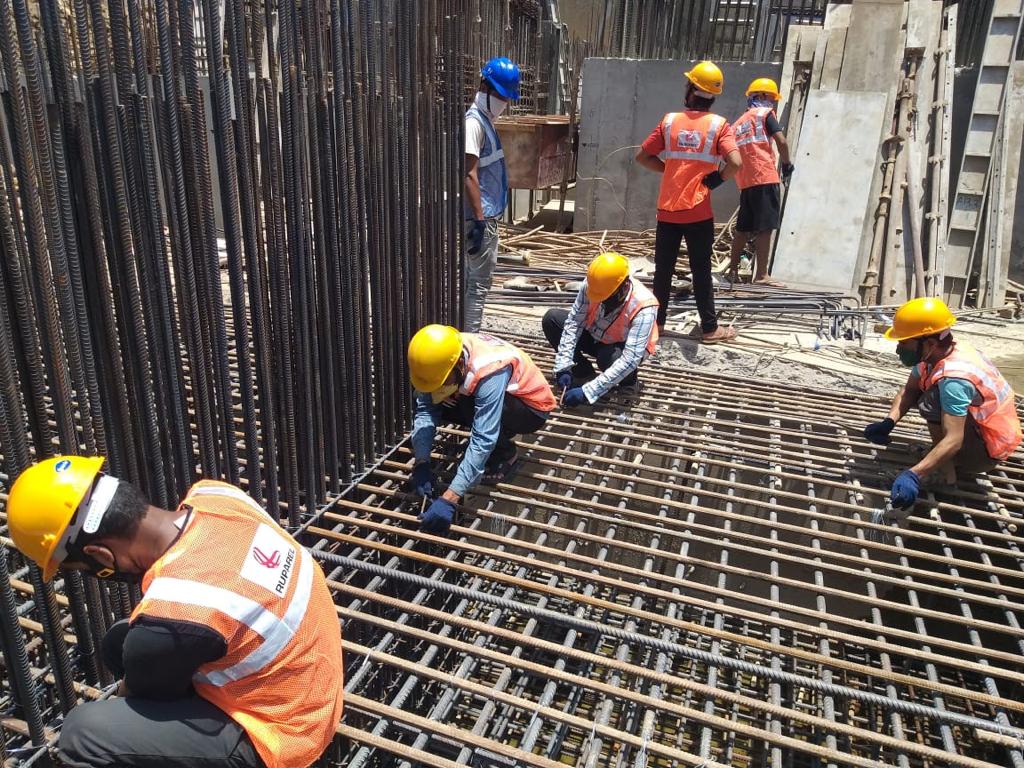
Demand will be led by 7–8% growth in rural housing, which now accounts for a third of domestic cement consumption.
“Rural housing will overtake infrastructure as the main growth driver due to healthy monsoon forecasts and rising farm incomes,” said Sehul Bhatt, Director, Crisil Intelligence.
Contributing factors:
- Likely healthy monsoon
- Lower interest rates
- Tax relief
- Benign inflation
Infrastructure Growth Slows, Still Stable
While still important, infrastructure demand is expected to grow steadily but slower. The segment contributes ~30% to cement consumption but faces:
- Lower highway project awarding
- Muted railways capital outlay growth
📦 Cement Industry Performance Snapshot
| Segment | Share of Demand | FY26 Outlook |
|---|---|---|
| Rural Housing | ~33% | Strong growth, main demand driver |
| Infrastructure | ~30% | Steady, but slower growth |
| Real Estate (Urban) | ~20–25% | Moderate demand, recovering sentiment |
Price and Cost Trends to Aid Profitability
After two years of price stagnation, cement prices rose in Q1 FY26 and are expected to increase by 2–4% during the year. Additionally, the cost structure is likely to remain stable:
- Green energy adoption will reduce power/fuel costs
- Stable energy prices to offset ₹20–30/tonne rise in raw materials like limestone, fly ash, and slag
“Cost efficiency from green energy will help cushion rising input prices,” said Kulkarni.
Credit Profiles to Remain Stable
The combination of improved profitability and strong balance sheets will help cement players reduce debt burdens. Net debt to EBITDA ratio is expected to drop from 1.3x in FY25 to 1.0–1.2x this year.
“Higher internal accruals will reduce dependency on borrowings for capex,” said Bhatt.
⚠️ Key Risks Ahead
- Extended monsoon disrupting construction
- Lower infra spend post-election
- Volatile global commodity prices
- Geopolitical tensions affecting energy costs
🏁 Conclusion
With profitability back on the rise and demand expected to grow steadily, India’s cement sector is entering a phase of financial and operational stability. Rural housing has emerged as the sector’s new growth engine, while infrastructure remains a key pillar. Stable costs and rising realisations are expected to lift the sector’s financial health—bringing it back to its pre-decade average performance.
Also Read: Government’s intervention to cut import duties on steel, cement will spur realty demand