Godrej Properties buys 16-acres land parcel in Bengaluru’s Sarjapur, the project is estimated to have a developable potential of approximately 1.5 million square feet saleable area.
By Varun Singh
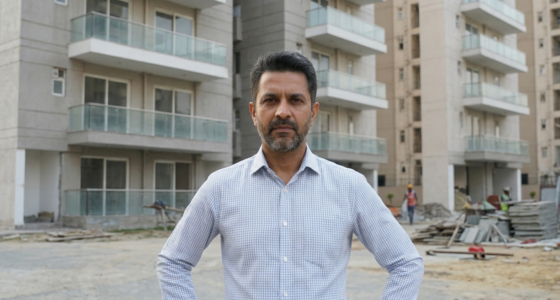
Godrej Properties Ltd. (GPL), one of India’s leading real estate developers, announced that it has purchased a land measuring approximately 16 acres at a strategically located and fastest developing micro-market of Sarjapur, (Bengaluru) to develop a mid-income project.
The project is estimated to have a developable potential of approximately 1.5 million square feet saleable area comprising primarily of residential apartments of various configurations.
Sarjapur is one of the most preferred residential locations in Bengaluru and also has excellent connectivity to the IT/ITES belt at Bellandur on Outer Ring Road and several key hubs of the city. The site is strategically located close to the Sarjapur main road and offers an extremely well-developed social and civic infrastructure with multiple schools, hospitals, retail, residential, and commercial spaces in close proximity.
Mohit Malhotra, MD & CEO, Godrej Properties, said, “Infrastructure development in Bengaluru has increased demand for housing, especially from the mid and upper-mid income group. Sarjapur is an important micro market for us and we are happy to add this land parcel to our portfolio. This will further expand our presence in Bengaluru and complements our strategy of deepening our presence in key micro markets across India’s leading cities.”
About Godrej Properties Limited:
Godrej Properties brings the Godrej Group philosophy of innovation, sustainability, and excellence to the real estate industry. Each Godrej Properties development combines a 124-year legacy of excellence and trust with a commitment to cutting edge design, technology, and sustainability. In FY 2021, Godrej Properties emerged as the largest developer in India by the value and volume of residential sales achieved.
Godrej Properties has deeply focused on sustainable development. In 2010, GPL committed that all of its developments would be third party certified green buildings. In 2020, the Global Real Estate Sustainability Benchmark ranked GPL #1 globally amongst listed residential developers for its sustainability and governance practices. In 2017, GPL was one of the founding partners of the Sustainable Housing Leadership Consortium (SHLC), whose mission is to spread sustainable development practices across the Indian real estate sector.
Also Read: Godrej Properties launches its first digital brand campaign