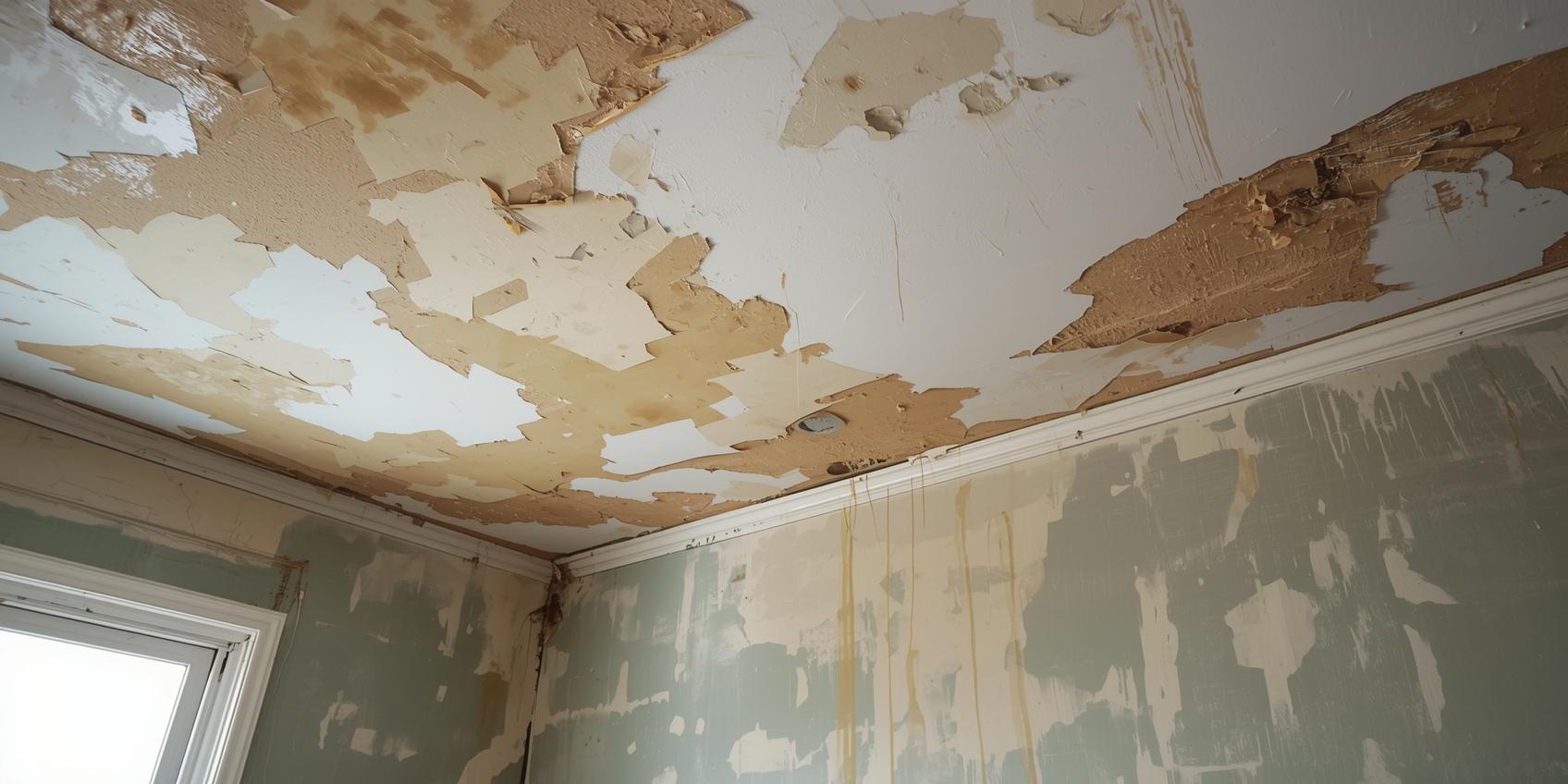

In a major boost to consumer protection in the housing sector, Section 14(3) of the Real Estate (Regulation and Development) Act, 2016 (RERA) has emerged as one of the strongest legal shields for homebuyers. The provision makes it mandatory for builders to rectify structural and workmanship-related defects that appear within five years of giving possession of a flat.
Under this section, if a homeowner reports a defect such as leakage, cracks, weak construction, poor finishing, malfunctioning amenities or service defects, the builder is legally required to repair it free of cost within 30 days. If the developer fails to take action even after notice, the homebuyer becomes entitled to financial compensation under RERA.
Why Section 14(3) Is Being Seen as a Turning Point
For decades, buyers complained that once possession was handed over, developers refused responsibility for quality issues and forced residents to bear heavy repair costs. Section 14(3) changes this dynamic by imposing a strict defect-liability period and a clear deadline for rectification.
Experts say this clause empowers buyers to hold builders accountable even after possession and reduces post-delivery disputes that often drag on for years.
Industry analysts believe that as more RERA authorities begin passing orders enforcing this section, the construction quality across the sector will see substantial improvement.
What Counts as a Defect Under the Law
The law covers:
- Structural stability problems
- Cracks, seepage and leakage
- Poor workmanship or inferior construction
- Defective fittings, electricals, plumbing or flooring
- Issues related to promised services or common amenities
- Obligations mentioned in the sale agreement
Normal wear-and-tear and issues arising out of misuse are not protected under this clause.
How Homebuyers Can Use Section 14(3)
Homebuyers must:
- Report the defect in writing to the builder within the five-year period.
- Maintain evidence such as photos, videos, and correspondence.
- File a complaint with the state RERA regulator if the builder does not act within 30 days.
Consumer rights groups say that an increasing number of homeowners have already started invoking this section to claim compensation and repairs.
Impact on the Real Estate Market
With possession of thousands of new flats being handed over across major Indian cities, Section 14(3) has become critical. The provision is expected to:
- Increase responsibility and transparency among developers
- Reduce poor-quality construction
- Strengthen buyer confidence and improve brand reputation for compliant builders
The industry is witnessing a clear shift from builder-controlled power to buyer-centric accountability.
Conclusion
Section 14(3) of the RERA Act acts as a safety net for homebuyers, ensuring that builders cannot walk away after handing over possession. With a five-year protection window and the right to compensation, homebuyers now hold significant legal leverage.
The message to developers is loud and clear: Deliver quality — or face consequences.
Also Read: Not Just Developers! Tribunal Says Society is Also a Promoter Under RERA