
Amid swirling rumors and misinformation campaigns, official data from the Dharavi Redevelopment Project (DRP) reveals a clearer picture: only about 2% of surveyed tenements have been declared ineligible so far, puncturing claims of mass exclusions. With over 57% already confirmed eligible for housing benefits and another 30.6% pending verification, project officials are emphasizing that “undecided” status is far from a rejection—it’s simply a call for more documentation or cross-checks. As the world’s largest urban renewal initiative pushes forward, this update comes at a pivotal time in Dharavi’s long history of redevelopment efforts, highlighting progress while addressing resident concerns.
Debunking the Ineligibility Myth
Recent claims suggesting that up to 80% of Dharavi residents have been ruled ineligible under the DRP have been debunked by the latest Final Annexure-II data, published up to December 9, 2025. Out of 3,518 tenements surveyed in this batch—a fraction of Dharavi’s total structures—only 75 (approximately 2%) were declared ineligible. Instead, the majority are on track for benefits:
- Eligible for Housing Benefits: 2,009 tenements (57%), including 1,178 (33% of total) qualifying for in-situ rehabilitation, meaning free 350-square-foot homes within a redeveloped Dharavi.
- Undecided/Pending Documents: 1,078 tenements (30.6%), where submissions are incomplete, illegible, or require verification from agencies like BEST (for electricity records), BMC (for licenses), or electoral rolls.
- Public Amenities/Utility Structures: 330 (9.38%), such as community toilets or temples, which aren’t residential.
- Ineligible: Just 75, often due to lack of residency proof or structures built after eligibility cutoffs.
DRP officials stress that pending cases are not rejections. “These are under review and will be resolved once verifications are complete,” said a project spokesperson. Delays stem from discrepancies in old records, such as metadata mismatches in utility bills or missing voter list entries, requiring case-by-case coordination. Residents are urged not to heed unverified rumors targeting areas like Meghwadi, Azad Nagar, Tilak Nagar, and Kamala Raman Nagar as “mass ineligible.”
A Long Road to Redevelopment: Dharavi’s Historical Context
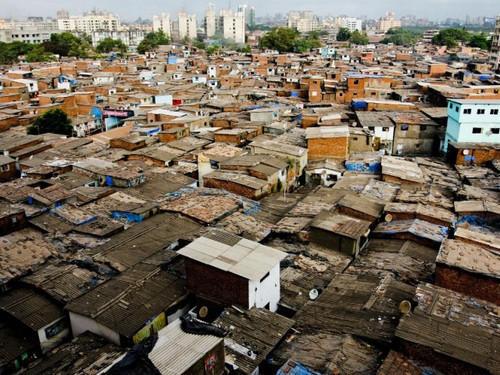
Dharavi’s transformation story dates back over a century. Originally a fishing village in swampy Mumbai outskirts during the late 1800s, it exploded in the 20th century as migrants arrived for industrial jobs, evolving into a bustling informal settlement. By the mid-1900s, it became Asia’s largest slum, spanning 590-620 acres with 700,000 to 1 million residents. Known for its economic vibrancy—generating billions in revenue from small-scale industries like leather tanning, pottery, and recycling—Dharavi has long symbolized urban resilience amid poverty.
Redevelopment ideas emerged in the 1950s-1980s, but formal plans kicked off in the 1990s. The turning point was 2004, when the Maharashtra government, under the Slum Rehabilitation Authority (SRA), launched the DRP. Architect Mukesh Mehta’s vision divided Dharavi into sectors for private developers to build modern housing, subsidized by commercial sales. Global tenders in 2007, 2009, 2011, and 2016 failed due to low bids, political shifts, and resident opposition over displacement fears.
The 2018 tender drew interest from Adani Group and Dubai’s SecLink, with SecLink winning in 2019. However, it was canceled in 2020 over scope changes, including railway land integration. A fresh 2022 tender, with revised rules prioritizing in-situ rehab and options for post-2000 settlers, saw Adani Properties secure the bid at ₹5,069 crore.
By 2023, the project formed a Special Purpose Vehicle (later Navbharat Mega Developers Pvt. Ltd.), with Adani at 80% stake and the government at 20%. International experts like Sasaki and Buro Happold joined for planning. Surveys began in 2024, the master plan was approved, and construction certificates were issued in January 2025. Now, with additional land allocations (e.g., salt pans), the DRP aims to deliver 125,000-200,000 homes over 7-17 years, costing ₹25,000-95,000 crore. Despite controversies like legal challenges and protests, on-ground progress is visible, marking the most advanced phase yet.
Navigating Disputes: The Four-Tier Grievance Redressal System
The Annexure-II lists are not the final word. To ensure fairness, DRP has implemented a streamlined, single-window appeal process for eligibility disputes.
Step 1: Appellate Officer (AO)
Residents start here with initial complaints or document corrections. This officer reviews cases promptly, often resolving simple issues on the spot.
Step 2: Grievance Redressal Committee (GRC)
If unsatisfied, escalate to this panel of senior officials independent of the survey team, ensuring unbiased evaluation.
Step 3: Appellate Committee
Headed by an Additional Collector unaffiliated with the DRP CEO, this level provides higher scrutiny for complex disputes.
Step 4: Apex Grievance Redressal Committee (AGRC)
The final, quasi-judicial body fast-tracks unresolved cases, functioning like a dedicated court for DRP matters.
Officials note this system empowers residents, encouraging active participation rather than reliance on rumors.
Project Vision and Call to Action
Billed as the world’s largest human-centric urban renewal, the DRP seeks “housing for all,” preserving Dharavi’s industries while modernizing infrastructure. With surveys ongoing and more Annexure-II batches expected, the focus remains on inclusive growth. “The transformation is real and can be seen on the ground,” a DRP official said. Dharavikars are called to engage, submit documents, and use official channels for clarity.
Also Read: Devendra Fadnavis Puts Dharavi Redevelopment back on track