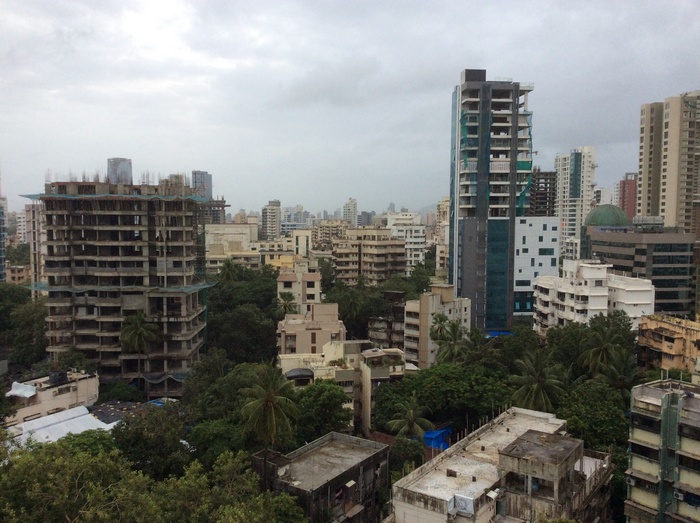

Despite recent interest rate cuts by the RBI, Mumbai continues to be India’s most unaffordable city to buy a home, with households needing to spend a whopping 48% of their monthly income on home loan EMIs, according to Knight Frank India’s latest Affordability Index for H1 2025.
📊 Affordability Index – EMI as % of Household Income
| City | H1 2025 EMI/Income Ratio | Most Recent Trend |
|---|---|---|
| Ahmedabad | 18% | Improved |
| Pune | 22% | Improved |
| Kolkata | 23% | Improved |
| Hyderabad | 30% | No change |
| Chennai | 24% | Improved |
| Bengaluru | 27% | Stable |
| NCR (Delhi) | 28% | Worsened |
| Mumbai | 48% | Improved, but still highest |
Source: Knight Frank India, H1 2025
🏠 What Does 48% Affordability Mean?
📌 Simply put: If you earn ₹1,00,000 a month in Mumbai, you’ll spend ₹48,000 on your home loan EMI — leaving you with ₹52,000 for everything else (groceries, kids’ fees, travel, savings).
✅ Why it matters:
According to banks and global standards, an EMI above 50% of income is considered unaffordable. This means many homebuyers in Mumbai either:
- Stretch their budget beyond safety limits
- Depend on double incomes
- Or compromise on home size or location
📉 Mumbai Drops Below 50% Mark — A First
🟢 “For the first time ever, Mumbai’s affordability level has dropped below the 50% threshold,” said the Knight Frank report.
This improvement is credited to the RBI’s 100 basis points repo rate cut in 2025, which lowered home loan interest rates and made EMIs lighter for borrowers.
🧮 Example: EMI Comparison – Mumbai vs. Ahmedabad
| City | Avg. Monthly Income | EMI (Based on Affordability %) |
|---|---|---|
| Mumbai | ₹1,00,000 | ₹48,000 |
| Ahmedabad | ₹1,00,000 | ₹18,000 |
🟡 Mumbai homebuyers pay over 2.5x more of their salary in EMI than those in Ahmedabad.
⚠️ NCR Only City Where Affordability Worsened
Despite the repo rate cut, affordability in NCR worsened — EMI burden rose from 27% to 28%. This was due to steep property price hikes, which outweighed the benefit of lower interest rates.
📦 Expert Insight: What’s Next for Buyers?
🗣 “Affordability plays a critical role in sustaining demand. With strong GDP growth and lower interest rates, we expect housing momentum to remain positive in 2025,”
— Shishir Baijal, CMD, Knight Frank India
📈 Affordability Trends Over the Years (Mumbai)
| Year | EMI to Income Ratio |
|---|---|
| 2010 | 93% |
| 2020 | 61% |
| 2024 | 50% |
| H1 2025 | 48% |
Gradual but significant improvement in a decade.
🏁 Conclusion: Mumbai is Still a Dream – But a Costly One
Even with rate cuts and economic growth, owning a home in Mumbai remains a financial stretch for the average household. The small drop in EMI burden is a step in the right direction, but unless home prices stabilize or incomes rise faster, true affordability may still be a distant goal for many.
Also Read: Home Purchase Affordability Index