
By Anuj Kejriwal, CEO & Jt. MD – ANAROCK Retail
The COVID-19 pandemic transformed e-commerce into a primary shopping method for Indians. Initially driven by deep discounts, e-commerce’s appeal has endured even as these offers faded. By 2023, e-commerce comprised 7.1% of India’s total retail market, up from 4.7% in 2019, and is expected to reach nearly 10% by mid-2024.
Omni-Channel Retailing: A Game-Changer
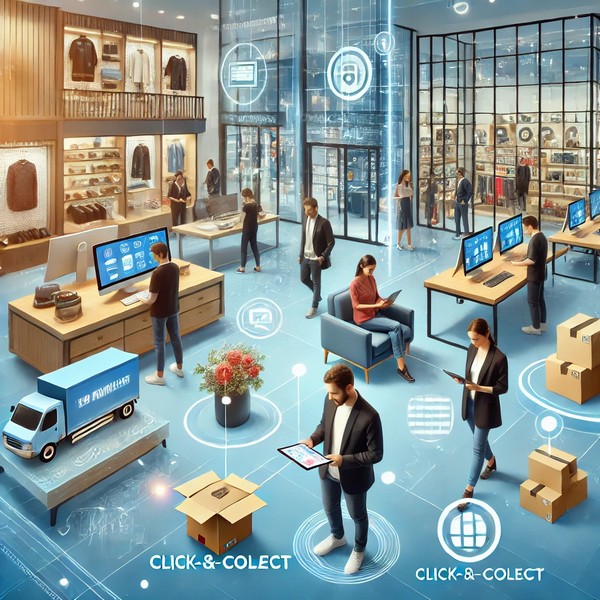
Previously an optional strategy, omni-channel retailing has become essential. It aims to provide a seamless shopping experience across all channels, including physical stores, mobile apps, and online platforms. Although it first emerged in global markets like the United States, Canada, Europe, and China in 2010, India adopted it around 2017 with brands like Levi’s, United Colors of Benetton, and USPA leading the way in cities such as Delhi, Mumbai, and Bengaluru.
Some Key Statistics
Various data points highlight the importance of omni-channel strategies:
- According to Kantar IMRB, over 70% of Indian consumers research online before making offline purchases.
- PWC India reports that over 40% of consumers prefer a blend of online and offline shopping channels.
- A Harvard Business Review study shows that seamless omni-channel experiences can boost customer lifetime value by 20-25%.
Indian Success Stories
Some of the leading brands today exemplify the benefits of omni-channel retailing:
- Lenskart: Achieved a 70% conversion rate by combining online product discovery with offline try-ons and purchases.
- Fabindia: Enhanced convenience by integrating online and offline inventories for customer-driven fulfillment.
- Nykaa: Created a cohesive brand experience through beauty advisors in physical stores, personalized online recommendations, and click-and-collect options.
Expanding Offline Presence
In 2023, there was a 60% increase in direct-to-consumer (D2C) brands expanding into offline spaces across major retail markets, up from 9 to 11 cities. Brands are making stores more experiential, with a 59% increase in average store size from 730 sq. ft. in 2022 to 1,160 sq. ft. in 2023.
The Importance of Physical Stores
Despite the rise of e-commerce, physical stores remain crucial for building trust and enhancing brand image, especially for premium products. Pop-up stores and experiential centers play a vital role in engaging consumers and generating excitement.
The Omni-Channel Imperative
Harmonizing online and offline channels is key to meeting modern consumer expectations. Here are some essential strategies:
- Ensure seamless inventory visibility across channels.
- Implement click-and-collect, buy online return in store (BORIS), and other omnichannel fulfillment options.
- Train staff to be omnichannel champions, guiding customers seamlessly.
- Leverage data to personalize the experience across channels.
Adopting omni-channel retailing allows brands to meet the demands of today’s Indian consumers, offering convenience, diversity, and connectivity. This comprehensive approach positions brands to maximize their potential in the dynamic Indian retail market.
Also Read: Report Forecasts 8 MSF of New Retail Malls in India for 2024