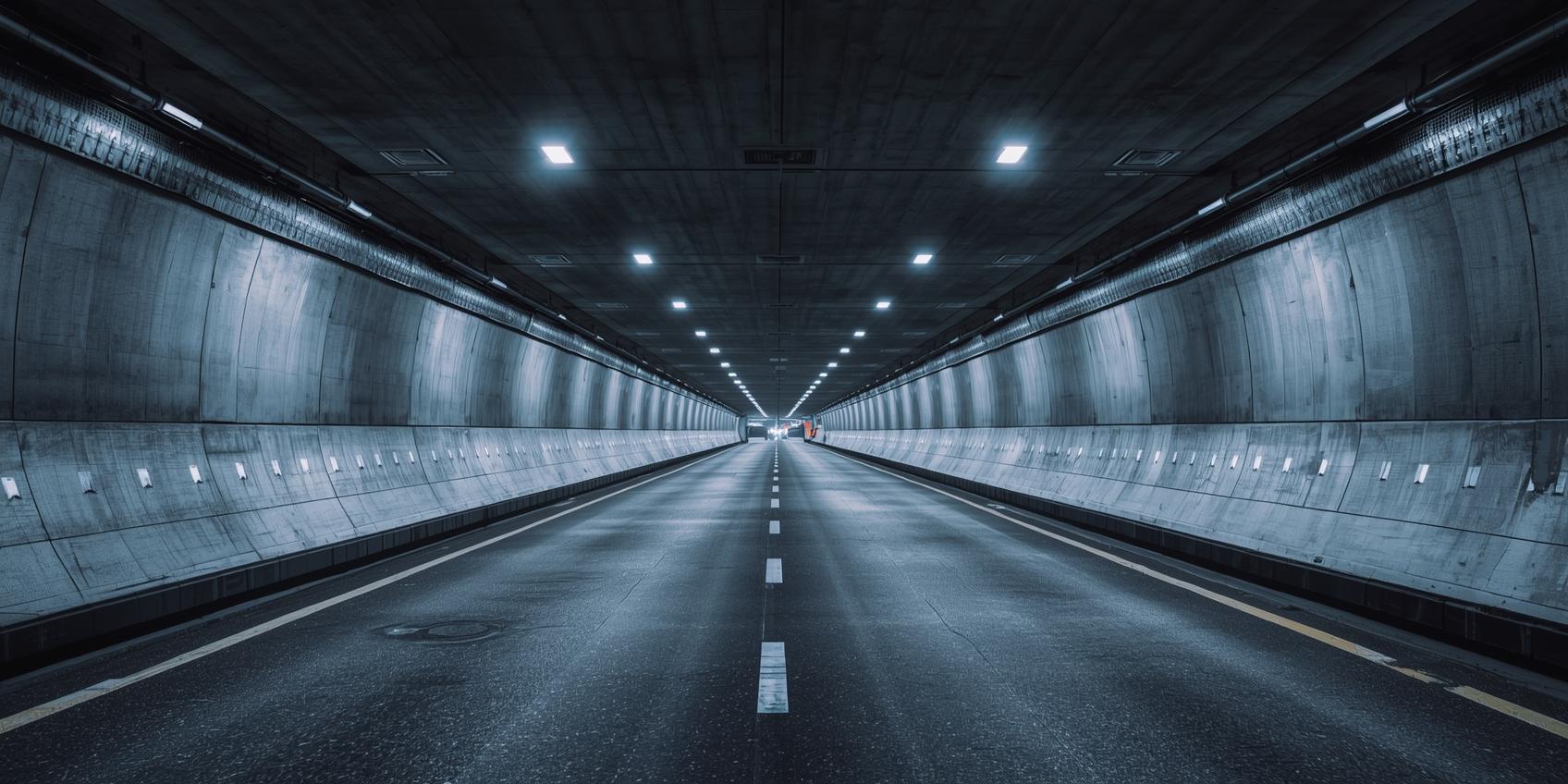

Mumbai Begins TBM Operations for Ambitious East–West Urban Road Tunnel
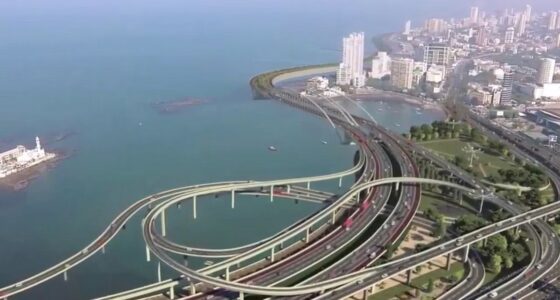
Mumbai has taken a major step toward transforming its east–west connectivity with the launch of the Tunnel Boring Machine (TBM) for the Orange Gate to Marine Drive Urban Road Tunnel Project, a landmark infrastructure initiative valued at ₹8,056 crore. The 9.96 km corridor will significantly cut travel time, reduce congestion, and integrate seamlessly with the city’s biggest ongoing transport projects.
First-of-its-Kind Urban Tunnel Project in India
The project marks the first urban road tunnel of its kind in India, passing underneath some of Mumbai’s most densely populated areas. It will tunnel below:
- Central Railway
- Western Railway
- Mumbai Metro Line 3 (Aqua Line)
The excavation will reach a maximum depth of 50 metres, making it one of the most technically challenging tunneling efforts in the country.
Project Specifications
Length & Structure
- Total length: 9.96 km
- Underground portion: ~7 km
- Two parallel tunnels
- Each tunnel includes:
- 2 traffic lanes (3.20 m each)
- 1 emergency lane (2.50 m)
- Speed limit inside tunnels: 80 km/hr
Safety & Technology
- Cross-passages every 300 metres
- Advanced ventilation systems
- Fire-resistant safety installations
- Intelligent Transport System (ITS)-enabled traffic management
- Minimised land acquisition due to underground alignment
TBM: A Deep-Dig Marvel
A refurbished Slurry Shield Tunnel Boring Machine, proven in Mumbai’s Coastal Road Project, will be deployed:
- Cutter head diameter: 12.19 m
- Machine length: 82 m
- Weight: ~2,400 tons
- Designed to handle Mumbai’s coastal geology and high water ingress
The machine has been re-manufactured domestically under OEM supervision.
Key Benefits for Mumbai
Once completed, the tunnel will:
- Reduce travel time between east and west Mumbai by 15–20 minutes
- Provide a new high-speed coastal link
- Decongest key corridors
- Lower fuel consumption
- Reduce air and noise pollution
- Integrate with major projects such as:
- Coastal Road Corridor
- Atal Setu
Current Project Status
- Physical progress: 14%
- Test piles completed
- Geotechnical investigation largely complete
- Working piles and pier casting underway
The 54-month timeline aims to deliver a faster, greener, and more connected Mumbai, setting new benchmarks for urban tunneling in India.
Also Read: Piling Work on Elphinstone Bridge Stalled After Residents Raise Safety Concerns