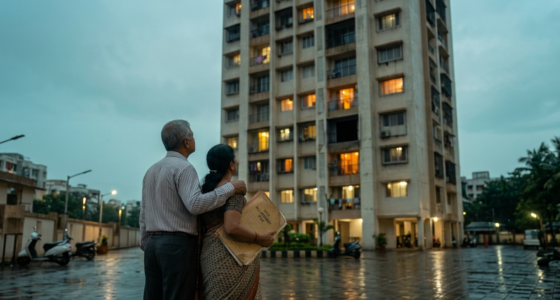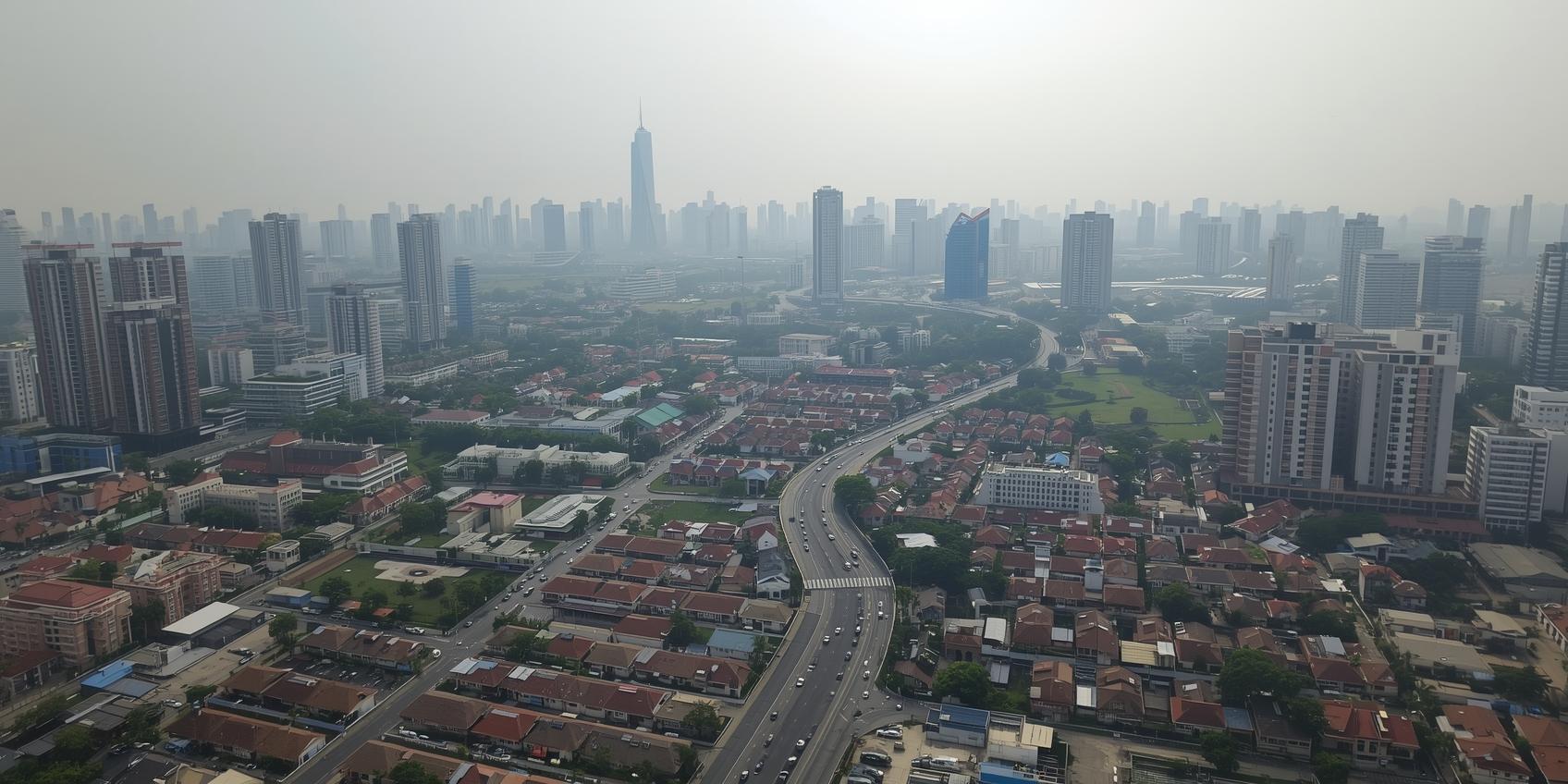

India’s once-booming tier-2 real estate sector is showing alarming signs of a downward spiral, with fresh data from PropEquity revealing a sharp 10% year-on-year decline in housing sales volumes across the top 15 tier-2 cities in 2025. Total units sold dropped to 1,56,181 from 1,72,599 in 2024, even as the overall sales value stagnated at ₹1.48 lakh crore — highlighting a dangerous combination of falling demand and escalating prices that is squeezing out average buyers.
The crisis is most evident in the affordable housing segment, where homes priced under ₹1 crore — long the backbone of tier-2 demand — saw a steep 15% drop in volumes, reducing their market share from 77% in 2024 to just 72% in 2025. In contrast, high-end homes above ₹1 crore posted a modest 9% growth, pushing their share up to 28%. This shift toward premiumisation is mirroring the slowdown seen in tier-1 cities, where volumes fall while prices keep climbing.
Thirteen of the 15 cities tracked suffered sales declines of up to 38%, with Visakhapatnam hit hardest. Only Mohali (up 34%) and Lucknow (up 6%) bucked the trend. Gujarat’s four major cities — Ahmedabad, Surat, Vadodara, and Gandhinagar — still dominated, accounting for 63% of total sales, with Ahmedabad alone contributing 33% (51,148 units, down 8%). However, even these strongholds felt the pinch, with Surat down 15%, Vadodara 19%, and Gandhinagar nearly flat at -1%.
New supply is drying up too, declining 6% to 1,36,243 units from 1,45,139 in 2024. Launches of sub-₹1 crore homes fell 5%, while those above ₹1 crore dropped 8%. Mohali saw a massive 108% surge in new launches, and Bhopal rose 66%, but 11 cities faced cuts of up to 57%, led by Bhubaneshwar’s steep plunge.
Samir Jasuja, Founder & CEO of PropEquity, warned of deeper structural issues: “The slowdown in housing sales over the past two years is largely due to a shrinking supply of homes priced below ₹1 crore — a segment that has traditionally driven demand in tier-2 cities. Rising land and construction costs, along with changing buyer aspirations, are pushing new launches into higher price brackets. As a result, tier-2 markets are increasingly mirroring tier-1 cities, where volumes are declining even as prices continue to rise.”
He added that government initiatives — including urban development, better connectivity, and industrial corridors — have fueled price appreciation, making even average homes unaffordable in many tier-2 markets. “This could be a cause for concern, as affordability pressures begin to impact not just premium segments but also affordable and mid-income housing in these cities.”
With Ahmedabad poised to graduate to tier-1 status in 2026 due to its massive scale and demand, the broader tier-2 ecosystem faces mounting headwinds. The data paints a troubling picture of a market sliding into stagnation, where fewer homes are sold, fewer are built, and the dream of affordable homeownership slips further away for millions.