
In the dusty corridors of Mumbai’s Income Tax Appellate Tribunal, a grieving father stood alone before the bench on 10 March 2026. His voice cracked as he spoke not of balance sheets or capital gains, but of a nightmare no parent should ever endure. Shahaji Sopan Sonawane had already lost everything that mattered—his teenage son, his peace of mind, his sense of safety. Then the taxman came for what little remained: the modest proceeds from a flat he had sold to survive. What followed was a ₹88-lakh demand that dwarfed the actual ₹35 lakh he received from the sale. On 18 March 2026, the Tribunal finally listened—and gave him back his right to be heard.
It began on a quiet July evening in 2016 in Nerul, Navi Mumbai. Shahaji’s 16-year-old son, Swapnil Sonawane, a bright, gentle boy, was brutally murdered in what the police and media described as a cold-blooded honour killing. Swapnil had dared to fall in love with a girl from another community. Enraged girl’s relatives allegedly beat him to death in front of his helpless parents. Shahaji and his wife Gauri were also attacked when they tried to save their child. The boy died of severe head and chest injuries before he could reach the hospital.
The tragedy did not end there. After filing a police complaint, the Sonawane family faced relentless threats and fresh attacks from the accused side. The fear was so overwhelming that the then Chief Minister of Maharashtra, Devendra Fadnavis, had to personally intervene. He ordered police protection for the shattered family. Shahaji, a simple SBI employee, met the CM and fought for higher compensation under the SC/ST Atrocities Act. But no amount of security or money could heal the wound. Mental trauma consumed Shahaji. Nights blurred into days. He changed residences for safety. Ordinary paperwork—filing taxes, answering notices—became impossible.
Years slipped by in this fog of grief. In the financial year 2017-18 (Assessment Year 2018-19), Shahaji sold a small flat. He received around ₹35 lakh. The money was meant to help rebuild a broken life. He never filed his income tax return. The trauma, the constant fear, the shifting addresses—everything conspired against him.
The Income Tax Department, acting on information about the property sale and some salary income, reopened the assessment in 2022. Notices flew to an address Shahaji no longer lived at. He could not respond. In March 2023, the Assessing Officer passed an ex-parte order under section 147/144. The entire ₹70 lakh (a figure the department recorded) was treated as taxable income. No cost of acquisition, no indexation benefit, no exemption under section 54—nothing was considered. Tax, interest, and later a penalty of ₹43.33 lakh under section 270A were slapped on. The final demand ballooned to nearly ₹88.75 lakh—more than double the actual money Shahaji had received from the flat sale.
A broken man tried to appeal the penalty order to the Commissioner of Income Tax (Appeals) in November 2023. The appeal was just 18 days late. In the haze of his ongoing trauma, Shahaji forgot to attach a formal condonation application. The CIT(A) dismissed the appeal in limine—purely on technical grounds—without even looking at the merits of the case or the extraordinary circumstances of a father still living in the shadow of his son’s murder.
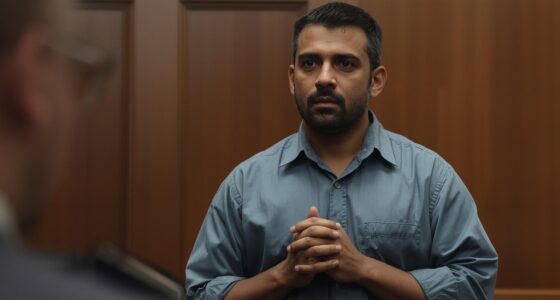
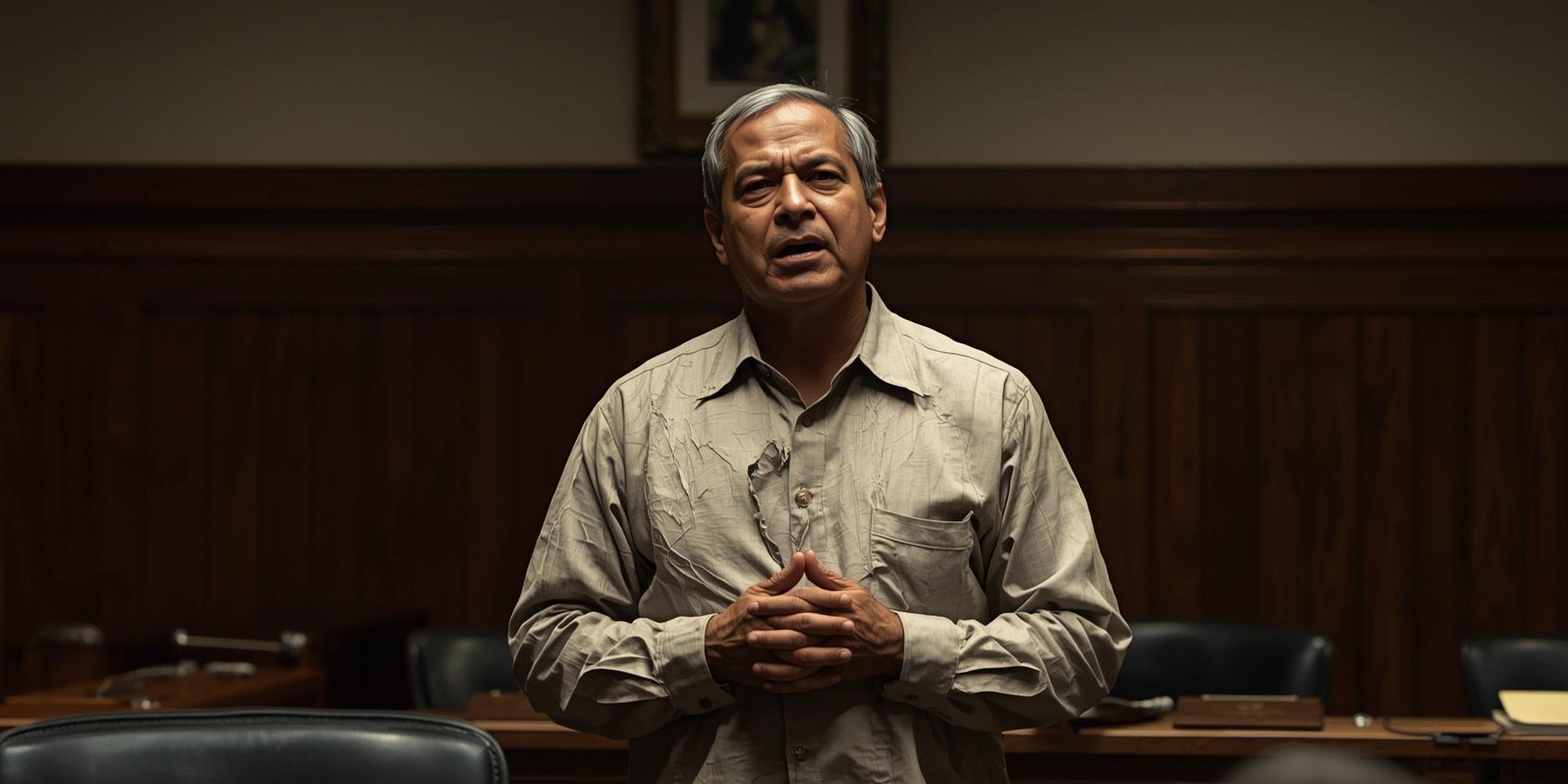
That could have been the end. But Shahaji refused to give up. On 10 March 2026, he appeared in person before the ITAT “F” Bench in Mumbai. No lawyer, no legal jargon—just a father pouring out his heart. He told the Tribunal about Swapnil’s murder, the honour killing that tore his family apart, the attacks that followed, the Chief Minister’s intervention, the police protection, the mental trauma that made him miss every deadline. He explained how the ₹88-lakh demand was crushing a man who had already lost far more than money could ever buy.
The Tribunal listened. In a compassionate and detailed order pronounced on 18 March 2026 by Vice President Saktijit Dey and Accountant Member Makarand Vasant Mahadeokar, the ITAT set aside the CIT(A)’s order. Citing Supreme Court judgments that “substantial justice must prevail over technical considerations,” the bench condoned the 18-day delay and restored the appeal to the CIT(A) for a fresh hearing on merits. The judges acknowledged that the murder of a son, followed by threats and relocation, constituted “sufficient cause.” The stay application became infructuous, but Shahaji had won the bigger battle—the right to explain his case.
For Shahaji Sopan Sonawane, this is not just a tax victory. It is a flicker of hope after nearly a decade of darkness. The flat sale that was supposed to help him rebuild has instead become a symbol of how the system can sometimes pile fresh wounds on old ones. Yet the Tribunal’s order reminds us that even in the cold machinery of tax law, humanity still has a place. Substantial justice has spoken. Now, the real fight—on the actual tax computation, the correct sale value, and the exemptions he is entitled to—will begin again before the CIT(A).
In the end, Shahaji lost his beloved son to honour killers. The taxman nearly took more than the flat was worth. But one emotional hearing in the Tribunal proved that a father’s pain still matters.
Also Read: Preity Zinta Wins Big: ₹10.84 Crore Tax Addition Deleted in Quantum Park Flat Sale Controversy