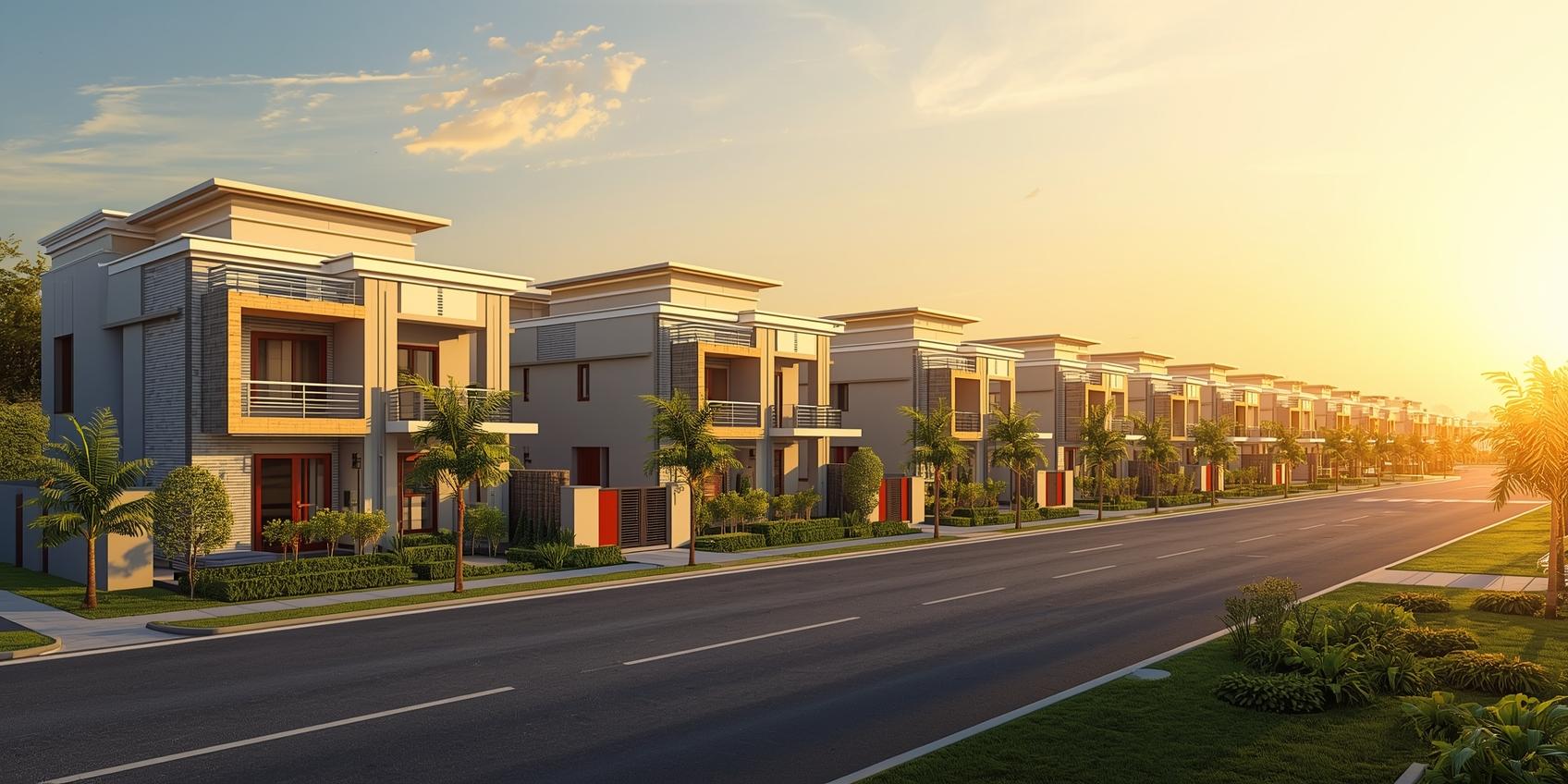

Lucknow is rapidly positioning itself as North India’s most dynamic residential real estate market, driven by strong infrastructure growth and Uttar Pradesh’s ambitious push toward a USD 1 trillion economy, according to a joint report by ANAROCK Group and Indian Chamber of Commerce.
The report highlights a 64% rise in average residential prices since 2021, signaling a decisive shift from a traditionally affordable market to a more aspirational housing destination.
Strong Demand Meets Disciplined Supply
Lucknow’s housing market has demonstrated a rare balance between demand and supply:
- 28,600 homes sold between 2021 and Q1 2026
- 18,000 new units launched during the same period
- Demand consistently outpacing new supply, indicating strong end-user activity
This trend reflects a maturing residential market, where growth is driven by genuine homebuyers rather than speculative investors.
📈 Price Growth Driven by Key Micro-Markets
Several emerging corridors have led the price surge:
- Gomti Nagar Extension
- Sultanpur Road
- Faizabad Road
- Sushant Golf City
These locations recorded 73%–86% price appreciation, supported by improved connectivity and new infrastructure.
Average property prices have risen from ₹3,890 per sq ft in 2021 to ₹6,380 per sq ft by 2025, underlining sustained upward momentum.
🏗️ Infrastructure Push Behind the Boom
Lucknow’s transformation is closely linked to large-scale infrastructure development:
- Metro rail expansion
- Outer Ring Road connectivity
- Expressway network growth
- Upcoming industrial and logistics hubs
The city is also benefiting from state-level initiatives such as the Defence Industrial Corridor and proposed AI City, which are attracting investments and boosting employment.
💼 Shift Toward Premium Housing
A notable shift is visible in buyer preferences:
- High-end segment (₹80 lakh–₹1.5 crore): 36% share
- Mid-segment: 33% share
- Luxury & ultra-luxury: 25% share
- Affordable housing (<₹40 lakh): only 7% share
This indicates rising incomes and a growing preference for better-quality housing and lifestyle upgrades.
🏙️ Beyond Housing: A Growing Economic Hub
Lucknow is no longer just an administrative capital. It is evolving into a multi-sector growth hub, with expansion across:
- IT and technology services
- Logistics and warehousing
- Defence manufacturing
- Hospitality and tourism
The city’s hotel inventory has grown 5.6 times in a decade, reflecting rising business and tourism activity.
👨👩👧 What This Means for Homebuyers
🏠 Rising Property Values
Homebuyers who entered early have already seen significant appreciation, while future buyers may face higher entry costs.
📍 Better Infrastructure & Livability
Improved connectivity and civic infrastructure are making Lucknow a more comfortable and efficient city to live in.
💰 Long-Term Investment Potential
Compared to saturated metros, Lucknow offers:
- Lower volatility
- Strong growth potential
- Increasing institutional interest
🧭 The Bigger Picture
As Uttar Pradesh accelerates toward its trillion-dollar economic goal, Lucknow is expected to play a central role in:
- Urban expansion
- Real estate growth
- Economic diversification
The city’s combination of infrastructure, affordability, and rising demand positions it as one of India’s most promising real estate markets in the coming decade.
Also Read: Greater Noida Leads NCR with 98% Property Price Jump in 5 Years