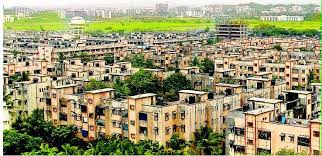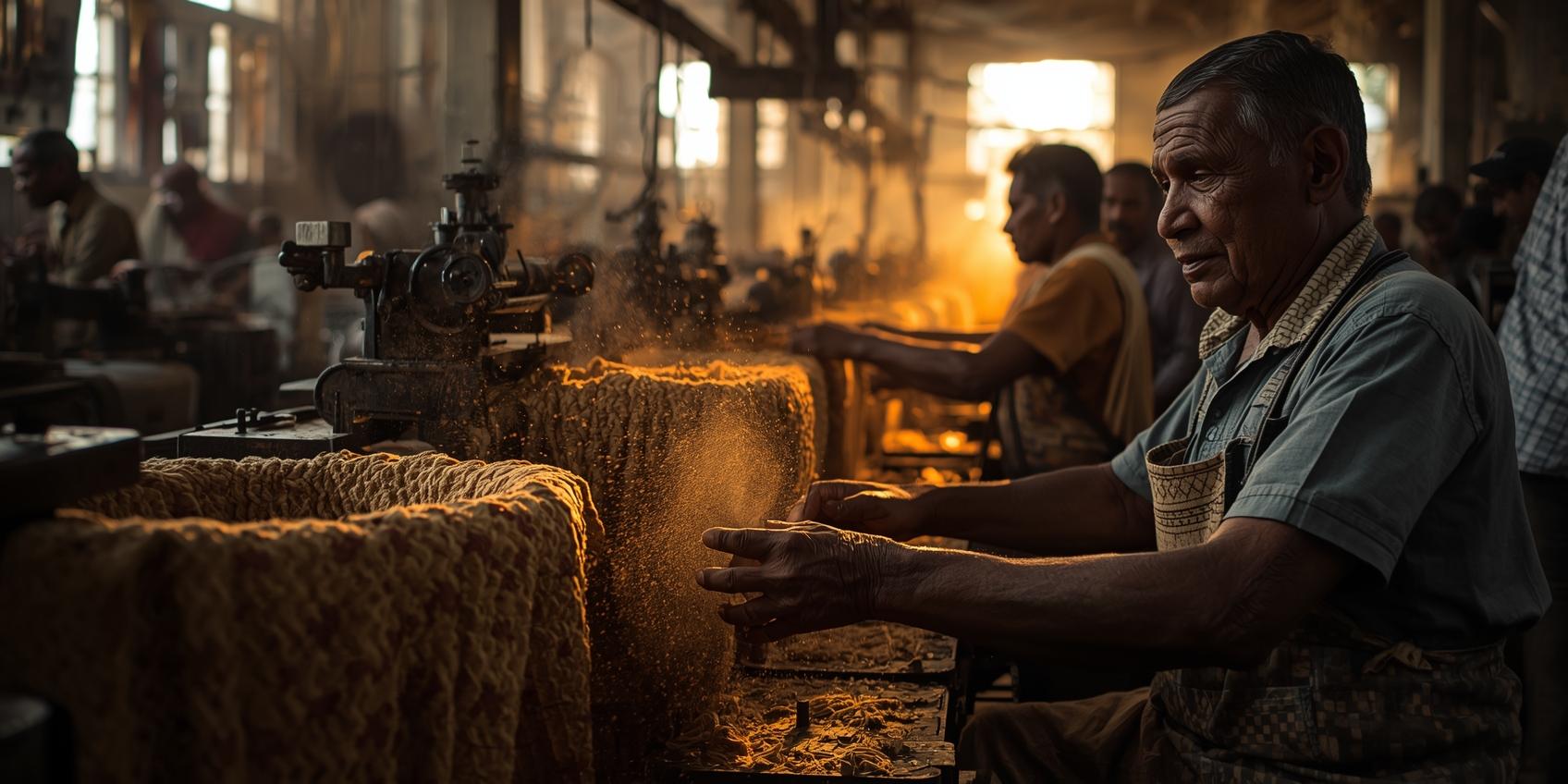

In a significant and worker-friendly policy correction, the Maharashtra government has withdrawn a controversial condition that permanently disqualified mill workers from receiving a home if they refused an offered allotment under the MHADA housing scheme.
The move comes after sustained objections from mill workers’ unions, representations to the government, and political pressure over a clause that was widely seen as harsh and unfair.
What the Government Changed
In a Government Resolution issued on 15 March 2024, the state had approved housing for eligible workers from 58 closed or sick textile mills in Mumbai and their legal heirs. However, Clause 17 of that resolution stated that:
If a mill worker or heir refused the house offered, their housing application would not be considered again.
This effectively meant a one-time refusal led to a permanent loss of housing rights, regardless of reasons such as location, size, or suitability of the dwelling.
Following strong opposition, the government has now issued a corrigendum GR dated 29 December 2025, officially deleting Clause 17.
Why This Decision Matters
With this correction:
- Eligible mill workers or their heirs will not lose their housing rights permanently if they reject a particular allotment
- Their applications can still be considered in future allotment cycles
- Workers will no longer feel forced to accept unsuitable housing out of fear
The change restores flexibility and fairness to a long-pending housing promise made to Mumbai’s textile workers.
Scale of the Mill Workers’ Housing Issue
The mill workers’ housing programme is one of Mumbai’s largest labour-linked housing initiatives. Nearly 98,600 mill workers have been identified as eligible for homes in the Mumbai Metropolitan Region (MMR).
Despite this, actual allotments over the years have been limited, with only a fraction of eligible workers receiving homes through earlier MHADA allotment exercises. Many families have waited for decades since the collapse of Mumbai’s textile industry in the early 1980s.
Against this backdrop, any rule that risked permanent exclusion was seen as particularly severe.
Unions Welcome the Rollback
Mill workers’ unions had raised strong objections to the clause during meetings with the government in mid-2025, arguing that it punished workers for exercising choice and ignored ground realities such as distance from workplaces, medical needs, or family size.
The deletion of the clause is being viewed as a major relief and a recognition of the workers’ long-standing concerns.
What This GR Does — and Does Not Do
✔ Removes a punitive condition
✔ Protects future eligibility of mill workers
✔ Makes the scheme more humane
❌ Does not announce new houses
❌ Does not expand eligibility
❌ Does not immediately allot flats
The broader housing scheme remains unchanged, but its implementation is now less rigid.
Bigger Implications for Mumbai Housing Policy
At a time when Mumbai faces acute housing stress and land scarcity, the amendment signals a more sensitive approach to legacy labour housing issues. It also highlights how sustained public pressure can lead to course correction in policy.
How quickly homes are now allotted — and whether the scheme gains momentum — will be closely watched.