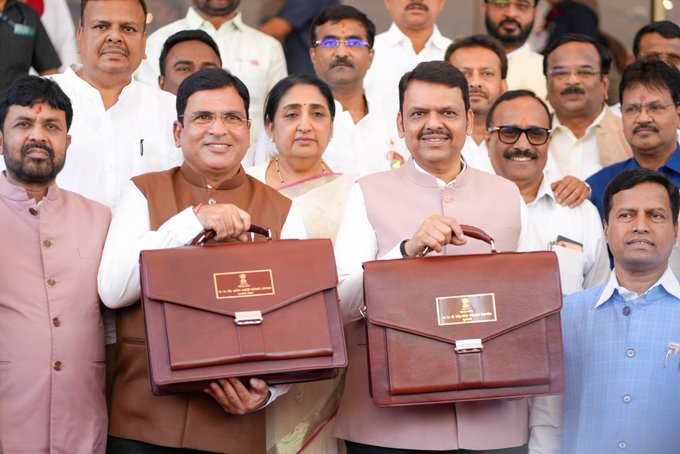

In a significant policy move aimed at supporting the real estate sector, the Maharashtra government has decided to keep Ready Reckoner (RR) rates unchanged for the financial year 2026–27, offering relief to both homebuyers and developers.
The decision, taken under the leadership of Chief Minister Devendra Fadnavis and announced by Minister Chandrashekhar Bawankule, comes amid global economic uncertainties and rising construction costs that have been impacting the sector.
Stability in Property Valuation and Stamp Duty
Ready Reckoner rates play a crucial role in determining:
- Property valuation benchmarks
- Stamp duty and registration charges
- Premiums and development-related fees
By maintaining the current RR rates, the government has ensured that there will be no additional stamp duty burden on homebuyers, thereby supporting affordability and transaction volumes.
The move is also expected to stabilize pricing in the market, especially in price-sensitive regions like Mumbai and the Mumbai Metropolitan Region (MMR).
Industry Welcomes the Decision
Real estate developers and industry experts have widely welcomed the decision, calling it timely and pragmatic.
Prashant Sharma, President, NAREDCO Maharashtra, said:
“Maintaining the status quo on Ready Reckoner rates is both timely and pragmatic. It will help sustain demand momentum and provide much-needed stability to the sector.”
Kamlesh Thakur, Co-Founder & Managing Director, Srishti Group, added:
“With rising construction costs, keeping RR rates unchanged avoids additional financial strain on developers and preserves affordability for end-users.”
Kaushal Agarwal, Chairman, The Guardians Real Estate Advisory, noted:
“Any increase at this stage could have impacted transaction volumes. This decision will help maintain pricing equilibrium and encourage buyers to move forward.”
Shraddha Kedia-Agarwal, Director, Transcon Developers, emphasized:
“Stable RR rates will boost confidence among homebuyers and investors and help developers plan projects without uncertainty.”
Boost to Demand and Market Sentiment
The decision follows recommendations from industry bodies such as CREDAI, which had urged the government to maintain or reduce RR rates in light of market conditions.
Key expected impacts include:
- Improved affordability for homebuyers
- Stronger demand momentum
- Higher transaction volumes
- Better project planning for developers
With no increase in statutory costs, the move is likely to encourage fence-sitters to enter the market, especially in urban centres.
Balancing Growth Amid Economic Pressures
The real estate sector has been facing multiple challenges, including:
- Rising input and construction costs
- Global economic uncertainties
- Interest rate pressures
In this context, the government’s decision reflects a balanced approach aimed at sustaining growth without increasing financial burden.
The Bottom Line
By keeping Ready Reckoner rates unchanged for FY27, Maharashtra has taken a pro-market and pro-homebuyer step, ensuring stability in a crucial phase for the real estate sector.
While some stakeholders had hoped for a reduction in rates, the decision to maintain status quo is seen as a practical move to support demand, affordability, and investor confidence.
Also Read: Govt to Allow Conversion of Leasehold Land to Freehold at 25% Above Ready Reckoner Rate