Key Highlights:
- Construction and Development Agency to be appointed
- 8,001 tenants/residents and 800 landowners to be rehabilitated
- MHADA to receive 44,000 sq.m. of developed land
In a major push to revitalize one of South Mumbai’s most historic and densely populated areas, MHADA (Maharashtra Housing and Area Development Authority) has issued a tender to appoint a construction and development agency for the much-awaited Kamathipura Cluster Redevelopment Project. Kamathipura is one of India’s largest red light area.
This ambitious project will be implemented by MHADA’s Mumbai Building Repairs and Reconstruction Board (MBRRB). The redevelopment will cover Galli numbers 1 to 15 in Kamathipura, comprising a mix of cess and non-cessed buildings and land parcels.
About the Project:
Kamathipura is spread across approximately 34 acres and contains around 943 cessed buildings, home to 6,625 residential and 1,376 non-residential tenants, totaling 8,001 occupants, along with 800 landowners. Many of these buildings are over 100 years old and structurally dilapidated. Given the extremely small plot sizes and narrow lanes, cluster redevelopment is considered the most sustainable solution.
The total land area of the project is approximately 73,144.84 sq. meters. Once complete, the project will:
- Provide permanent, legal homes to thousands of tenants who have waited for decades
- Offer modern, secure housing, and planned infrastructure including commercial spaces, green zones, and community amenities
- Hand over 44,000 sq. meters of constructed area to MHADA for future affordable housing stock
- Provide developers with 567,000 sq. meters of development rights, potentially resulting in 4,500 new housing units
Planning and Design:
MHADA appointed Mahimtura Consultants through a design tender process to prepare the redevelopment master plan under the name “Kamathipura Rehabilitation Project – Urban Village”. The project will be executed under DCPR 2034 Regulation 33(9), a policy framework allowing for cluster redevelopment through government housing bodies.
Landowner Compensation:
In line with the Maharashtra Government Resolution dated July 2, 2024, landowners will receive residential units based on the size of their land parcels:
- For 50 sq. m. plots: 1 flat of 500 sq. ft.
- For 51–100 sq. m. plots: 2 flats of 500 sq. ft. each
- For 101–150 sq. m. plots: 3 flats
- For 151–200 sq. m. plots: 4 flats
- For every additional 50 sq. m.: 1 additional 500 sq. ft. flat
Community Involvement:
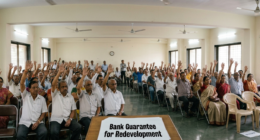
The project has received active support from key public representatives, including Maharashtra Legislative Assembly Speaker Rahul Narwekar, MP Arvind Sawant, and MLA Amin Patel, along with widespread participation from local residents.
The Kamathipura redevelopment project is poised to transform one of Mumbai’s oldest neighborhoods into a modern, inclusive, and vibrant urban village while preserving its socio-cultural fabric.