In what could redefine urban development in India, the Mumbai Metropolitan Region Development Authority (MMRDA) has introduced a first-of-its-kind participatory land acquisition model for the ambitious Mumbai 3.0 project—marking a clear shift from traditional land acquisition to a partnership-driven approach.
The new framework gives landowners multiple options, allowing them to choose how they want to participate in the development of a massive New Town Development Area (NTDA) coming up along the influence zone of the Atal Bihari Vajpayee Sewri–Nhava Sheva Atal Setu.
A Mega Urban Expansion Across 124 Villages
MMRDA has been designated as the New Town Development Authority for a vast 323.44 sq. km region spanning 124 villages across Uran, Panvel, and Pen talukas in Raigad district.
This initiative follows a Government Resolution dated March 16, 2026, which lays the foundation for a more flexible and inclusive land policy under the Maharashtra Regional and Town Planning Act, 1966.
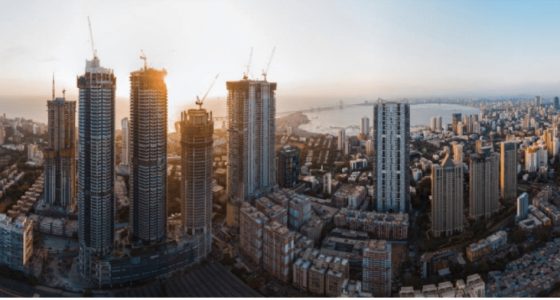
The scale alone signals that Mumbai 3.0 is not just an extension—but a complete reimagining of urban growth beyond Mumbai’s current limits.
The Big Shift: From Acquisition to Participation
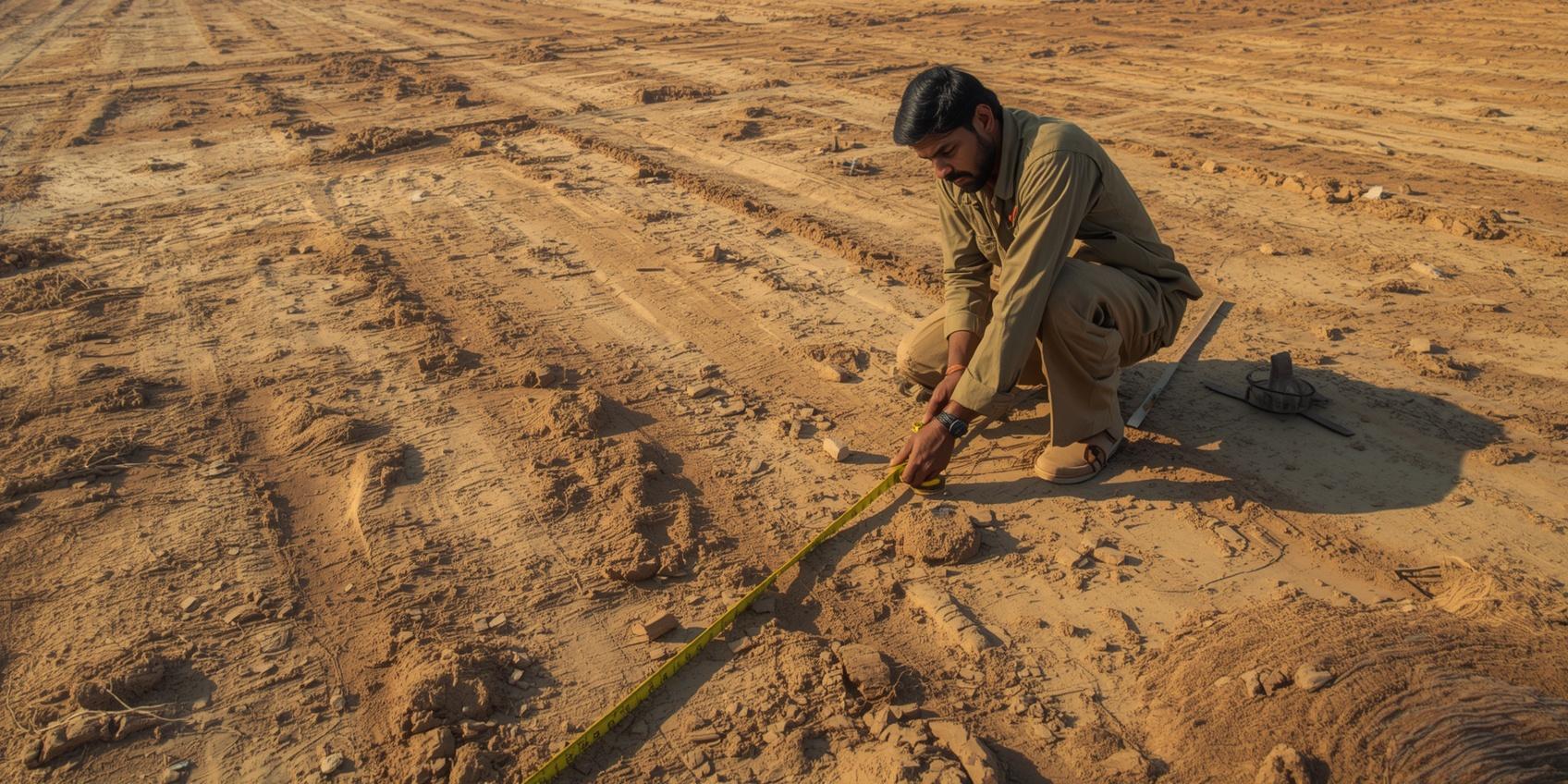
Traditionally, land acquisition in India has been top-down, often leading to disputes and delays. MMRDA’s new model flips that equation.
Instead of a one-size-fits-all approach, landowners now get three key options:
1. Mutual Consent-Based Acquisition
- Land acquired through agreement with landowners
- Compensation decided mutually under legal provisions
2. Development Rights (FSI/TDR)
- Landowners compensated through Floor Space Index (FSI) or Transferable Development Rights (TDR)
- Additional incentives may be offered
3. Land Pooling Model (Game Changer)
- Landowners give land and receive 22.5% developed land in return
- Ensures long-term participation in value creation
👉 Allocation clarity:
- Uran & Panvel landowners get developed land in Uran
- Pen landowners get developed land in Pen
This ensures that landowners are not displaced from their economic geography.
Why This Model Is a Big Deal
This is arguably one of the most progressive land policies in India because:
- Landowners become stakeholders, not victims
- They benefit from future appreciation of land value
- Reduces litigation and resistance
- Speeds up infrastructure projects
In simple terms:
👉 Instead of selling land once, landowners stay invested in the city’s future growth.
Vision: Building Mumbai 3.0
According to Sanjay Mukherjee, the idea is to make development people-centric and participatory.
The broader vision includes:
- A planned new urban ecosystem
- Decongestion of core Mumbai
- Infrastructure-led growth around Atal Setu
- Faster and more efficient project execution
This aligns with the larger goal of creating a multi-nodal Mumbai Metropolitan Region.
What Happens Next?
- Landowners can submit consent online starting April 27, 2026
- Required documents include:
- Aadhaar
- Land ownership records
The success of this model will depend heavily on public participation and trust.
The Bigger Picture: A Policy Shift India May Replicate
This move by MMRDA signals a broader transformation in how urban India may evolve:
- From forced acquisition → voluntary participation
- From one-time compensation → long-term wealth creation
- From conflict → collaboration
If successful, this model could become a template for future smart cities and infrastructure corridors across India.
Conclusion
With Mumbai 3.0, MMRDA is not just building a city—it is rewriting the rules of urban development.
The real test now lies in execution:
👉 Will landowners trust the system enough to participate?
If they do, this could be the beginning of a new era in India’s real estate and infrastructure story.
Also Read: Bombay HC Strips Developer of Mulund Project, Society Wins Back Land