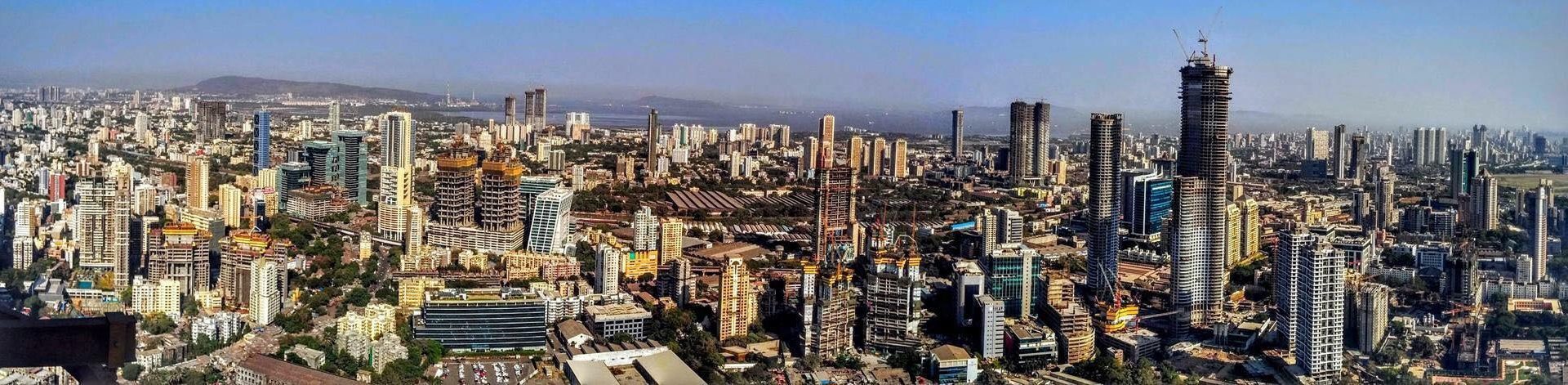

Mumbai today has an unsold inventory of 1.24 lakh homes, worth Rs 1,379 billion. With the Covid 19 outbreak housing sales are down by 30%.
By Varun Singh
Mumbai’s real estate market is going through a bad phase. According to a report, Mumbai has the highest number of unsold inventory in the country.
The figure of unsold inventory during the Q1 of 2020 stands at 1.24 lakh units, which stood at 1.19 lakh units in Q1 2019. Total unsold inventory stands at 455,351 units in Q1 2020.
Delhi NCR follows Mumbai closely in the report released by JLL. Delhi figures stands at 1.21 lakh unsold units worth Rs 813 billion.
Across the top seven cities in the country, developers are sitting on unsold inventory worth Rs 3,70,000 crore by March 2020.
Mumbai accounts for majority of the locked-in capital
| 2019 Q4 | 2020 Q1 | ||||
| Cities | Unsold Inventory | YTS | Unsold Inventory | YTS | Value (INR billion) |
| Bengaluru | 81,732 | 3.0 | 89,122 | 3.3 | 640 |
| Chennai | 32,217 | 2.3 | 32,338 | 2.5 | 222 |
| Delhi NCR | 124,720 | 4.6 | 121,800 | 4.4 | 813 |
| Hyderaba d | 24,125 | 1.7 | 24,047 | 1.6 | 192 |
| Kolkata | 28,716 | 4.1 | 29,555 | 4.2 | 153 |
| Mumbai | 119,173 | 4.0 | 124,059 | 4.2 | 1,379 |
| Pune | 31,545 | 1.6 | 34,430 | 1.7 | 252 |
| India | 442,228 | 3.2 | 455,351 | 3.3 | 3,651 |
An assessment of years to sell (YTS) reveals that the expected time to liquidate this stock has increased marginally from 3.2 years in the last quarter of 2019 to 3.3 years in Q1 2020. With anticipated slower sales in the coming quarters, the time to sell is likely to increase.
The homebuyer community deferred their purchase decisions due to the evolving COVID- 19 outbreak, which led to sales declining by nearly 30% in Q1 2020 on a y-o-y basis. “The impact of the ongoing pandemic on business activities became more prominent since the beginning of March 2020 in the country” adds the report.
The COVID-19 pandemic is expected to weaken GDP growth, which is expected to fall below 5% in FY 19-20 and potentially reach 2008-09 levels in FY 20-21. However, the residential real estate market appears to be at an advantageous position today as compared to the Global Financial Crisis, led by a series of structural reforms by the government in the past five-to-six years,” said Ramesh Nair, CEO & Country Head, JLL.
Nair further says, when the COVID-19 scenario stabilises, factors such as better-priced deals, enhanced financial health of banks and greater demand from end users will aid in improving buyer sentiment. Sales are expected to regain some traction towards the end of 2020 supported by the festive season during that period.