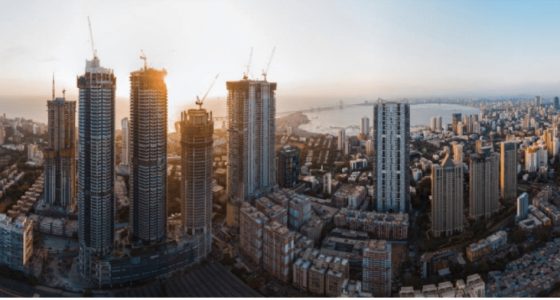

In a major step towards digitising real estate transactions, the Maharashtra government, in collaboration with the Brihanmumbai Municipal Corporation (BMC), is set to make India’s first electronic Transferable Development Rights (e-TDR) platform fully operational from April 15, 2026.
The platform aims to bring transparency, speed, and efficiency to TDR transactions—an important but often complex component of Mumbai’s real estate and redevelopment ecosystem.
What is TDR and Why It Matters
Transferable Development Rights (TDR) are granted to landowners when their land is acquired for public purposes such as roads, gardens, or infrastructure projects.
Instead of cash compensation, they receive a Development Rights Certificate (DRC), which can be:
- Used for their own development projects
- Sold to other developers
TDR plays a crucial role in:
- Redevelopment projects
- Slum rehabilitation
- Urban infrastructure expansion
What Changes with the e-TDR Platform
The new system digitises the entire lifecycle of TDR transactions, which were previously manual and often opaque.
Key features:
- Mandatory registration for both buyers and sellers
- Online listing of available TDR
- Buyers can place bids digitally
- Post-bid negotiation facility
- End-to-end digital payment system
- Automatic credit of TDR to buyer’s account
- Seller receives payment directly
A digital contract note is generated after each transaction, serving as a legally valid record.
Technology and Security Backbone
The platform integrates:
- KYC-based verification
- Banking integration with SBI
- AI-based analytics for monitoring transactions
This ensures:
- Reduced fraud and manipulation
- Better tracking of transactions
- High data security
How This Benefits Homebuyers and Common Citizens
While TDR may seem like a technical concept, the new system has direct and indirect benefits for homebuyers 👇
🏠 1. Faster Redevelopment Projects
- TDR is widely used in redevelopment
- Easier availability means projects can move faster
- Less delay in getting possession
💰 2. More Transparent Pricing
- Digital marketplace will help discover fair market price of TDR
- Reduces backdoor deals and price manipulation
- Can lead to more predictable project costs
🏗️ 3. Boost to Housing Supply
- Developers can easily buy TDR and increase FSI
- This enables construction of more housing units
- Particularly important in land-scarce Mumbai
⚖️ 4. Level Playing Field
- Smaller developers and individual players can participate
- Not restricted to large builders
- Encourages more competition and better quality projects
🔍 5. Reduced Disputes and Fraud
- Every transaction is digitally recorded
- Legal documentation is automatic
- Reduces chances of disputes in redevelopment projects
🌆 6. Faster Urban Development
- Infrastructure projects that depend on TDR become smoother
- Better roads, public spaces, and amenities indirectly benefit citizens
Why This Move is Important
Until now, TDR transactions in Mumbai were:
- Time-consuming
- Lacking transparency
- Dependent on brokers and informal networks
The e-TDR platform addresses these issues by:
- Creating a centralised marketplace
- Ensuring traceability of transactions
- Improving efficiency in urban planning
Conclusion
The launch of India’s first e-TDR platform marks a significant shift in how development rights are traded in Mumbai.
While its immediate impact will be on developers and landowners, the long-term benefits will flow to homebuyers and citizens through faster redevelopment, better transparency, and increased housing supply.
Also Read: MMRDA Ordered To Give Cash Compensation Not TDR To Landowners in Kurla