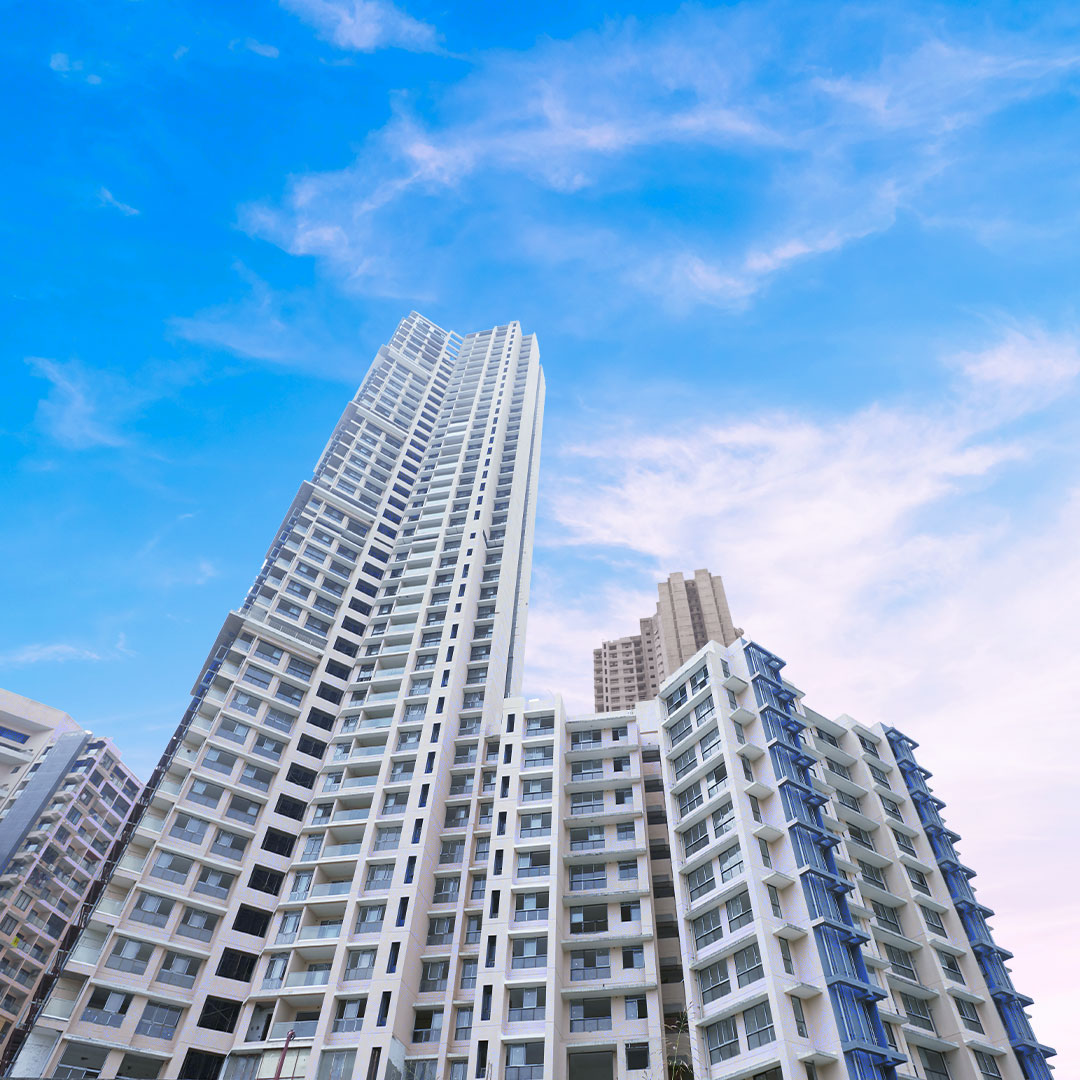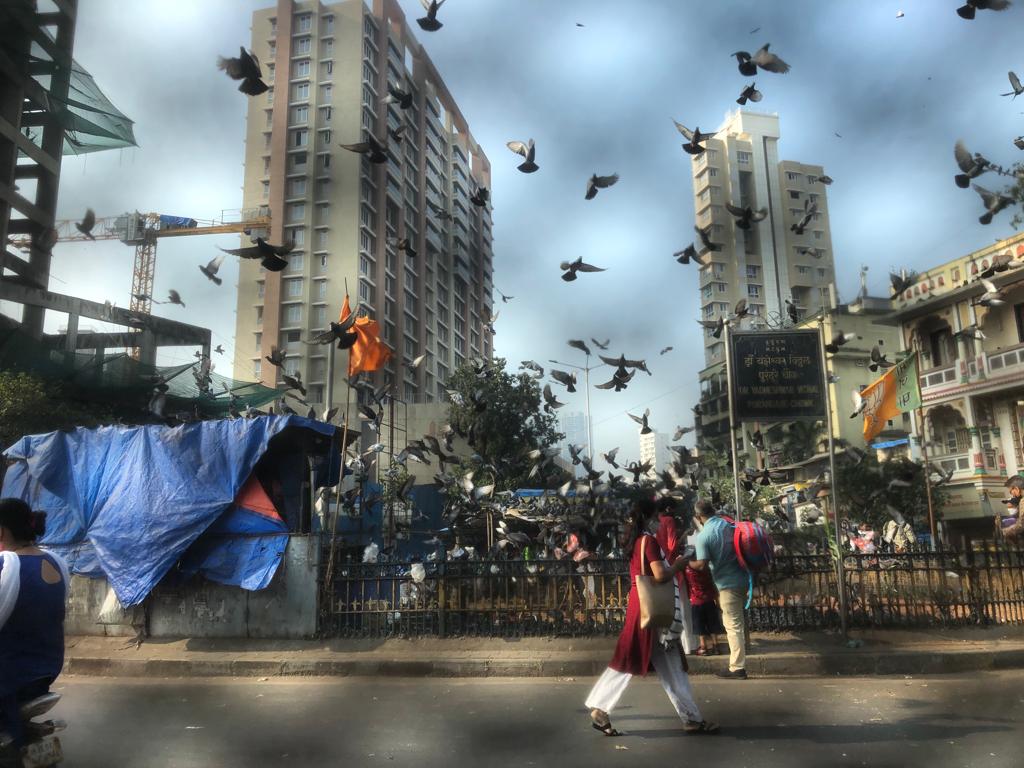

Mumbai’s real estate market has recently reached unprecedented levels, with property prices hitting new highs. This surge is a result of a confluence of factors that have positioned Mumbai as one of the most expensive real estate markets in India.
Key Drivers Behind the Surge
- High Demand and Limited Supply:
- Mumbai’s real estate market is characterized by strong demand from both domestic and international buyers, driven by the city’s status as a financial and commercial hub. However, the supply of new residential and commercial properties has not kept pace with this demand, creating a competitive market environment.
- The scarcity of land for new developments, combined with stringent regulatory approvals and high construction costs, has further constrained supply.
- Economic and Financial Hub:
- As India’s financial capital, Mumbai attracts significant investments from various sectors including banking, finance, technology, and real estate. The presence of numerous multinational corporations and high-net-worth individuals has fueled demand for premium properties.
- The city’s role as a business center and its robust infrastructure continue to draw investors seeking both residential and commercial properties.
- Luxury and High-End Segment Growth:
- The luxury real estate segment in Mumbai has experienced remarkable growth. High-end residential projects featuring premium amenities and prime locations have seen a substantial increase in prices. Areas like South Mumbai, Worli, and Bandra are particularly noted for their high property values.
- The trend towards luxury living, with an emphasis on quality and exclusivity, has contributed to escalating prices in these sought-after neighborhoods.
- Infrastructure Developments:
- Significant infrastructure projects, such as the Mumbai Coastal Road, Navi Mumbai International Airport, and the Mumbai Metro expansions, have enhanced connectivity and accessibility. These improvements have spurred real estate developments and contributed to the rise in property values.
- Upcoming projects and planned infrastructure upgrades are expected to continue driving demand in various parts of the city.
- Investment and Market Sentiment:
- Positive market sentiment and investor confidence have played a crucial role in pushing property prices higher. Investors view Mumbai real estate as a stable and lucrative asset class, leading to increased purchasing activity and competition.
- The city’s real estate market has historically shown resilience and growth potential, attracting both local and international investors seeking long-term gains.
Impact on the Market
- Affordability Challenges: The surge in property prices has made homeownership increasingly challenging for average buyers, especially in central and affluent areas. This has led to a growing disparity between high-end and affordable housing segments.
- Rental Market: As property prices climb, rental yields are also affected. Some areas are seeing higher rents in response to increased property values, impacting tenants and rental demand.
- Development Trends: Developers are focusing on luxury and high-end projects to capitalize on the market’s potential, sometimes at the expense of affordable housing options.
Looking Ahead
The Mumbai real estate market is expected to remain dynamic, with continued high property prices driven by ongoing demand, infrastructure improvements, and economic growth. While the market presents opportunities for investors and developers, it also poses challenges related to affordability and balanced growth. The city’s real estate landscape will continue to evolve, reflecting both the opportunities and complexities of one of India’s most prominent property markets.
Also Read: Mumbai’s Residential Market Set to Surpass INR 2 Lakh Crore by 2030, Says JLL Report