
Mumbai’s residential real estate market is poised for substantial growth, with projections indicating that the city’s residential sales value will exceed INR 2 lakh crore by 2030. This forecast is highlighted in JLL’s latest report, “Mumbai Residential Market-Through the Lens of Time,” presented today at the National Real Estate Development Council (NAREDCO)’s flagship event, The Real Estate Forum (TREF) 2024 in Mumbai. JLL is the Knowledge Partner for the event.
Mumbai’s Significant Market Contribution
Mumbai continues to play a pivotal role in India’s real estate sector, contributing around 25% of new residential launches and 22% of overall sales in the country from 2022 to mid-2024. The city’s residential sales value during this period has surpassed INR 2.8 lakh crore, representing approximately 31% of the total sales value across India’s top seven markets.
Record-Breaking Sales and Infrastructure Impact
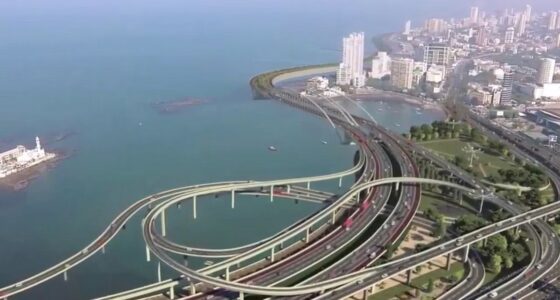
In 2023, Mumbai’s residential sales value exceeded INR 1 lakh crore and is expected to reach INR 1.35 lakh crore in 2024, setting a new benchmark for the city. The reduction in Months To Sell (MTS) inventory—from 58 months in March 2022 to 31 months in June 2024—reflects increased market activity. Key infrastructure projects, such as the Mumbai Trans Harbour Link (MTHL), Navi Mumbai Suburban Rail, and various Metro lines, have significantly enhanced connectivity within the city and its suburbs, driving growth in residential launches and sales, particularly in Navi Mumbai, Thane, and Western Suburbs II.
Shift in Real Estate Dynamics
Dr. Samantak Das, Chief Economist and Head of Research and REIS, India, JLL, noted that Mumbai’s real estate development has transitioned from the southern parts of the city to the northern and eastern suburbs. This shift is driven by the city’s focus on multi-modal transport solutions and ongoing infrastructure projects. By mid-2024, these initiatives are expected to reduce average travel times within the city by 50% and alleviate pressure on existing public transportation systems.
Land Acquisition and Future Developments
Since 2022, developers in Mumbai have acquired over 260 acres of land, either through direct purchase or joint development agreements, earmarked for residential projects. This acquisition translates to a potential development area of 42-48 million square feet, with an estimated sales potential exceeding INR 70,000 crore. Mumbai has also attracted national and regional developers, further fueling the city’s residential market growth.
Outlook and Future Prospects
The report highlights that Mumbai’s residential market is expected to maintain its growth trajectory, despite potential moderation in capital value appreciation. As infrastructure developments like the Coastal Road and Metro expansions continue to progress, they will create opportunities across both the Island City and its suburbs. Navi Mumbai and Thane have emerged as key residential destinations, supported by ongoing infrastructure improvements.
Mr. Prashant Sharma, President, NAREDCO Maharashtra, emphasized that Mumbai’s robust growth underscores the city’s pivotal role in shaping India’s real estate landscape. The continued development of infrastructure and new residential hubs positions Mumbai to set new benchmarks in the coming years.
Looking Ahead
As Mumbai’s real estate market evolves, the city’s shift towards suburban development and infrastructure enhancements will play a crucial role in its future growth. With a wide range of residential opportunities and attractive returns, Mumbai remains a key player in India’s real estate sector, poised to surpass the INR 2 lakh crore mark in residential sales value by 2030.
Also Read: NAREDCO Maharashtra to Host Major Real Estate Forum in Mumbai