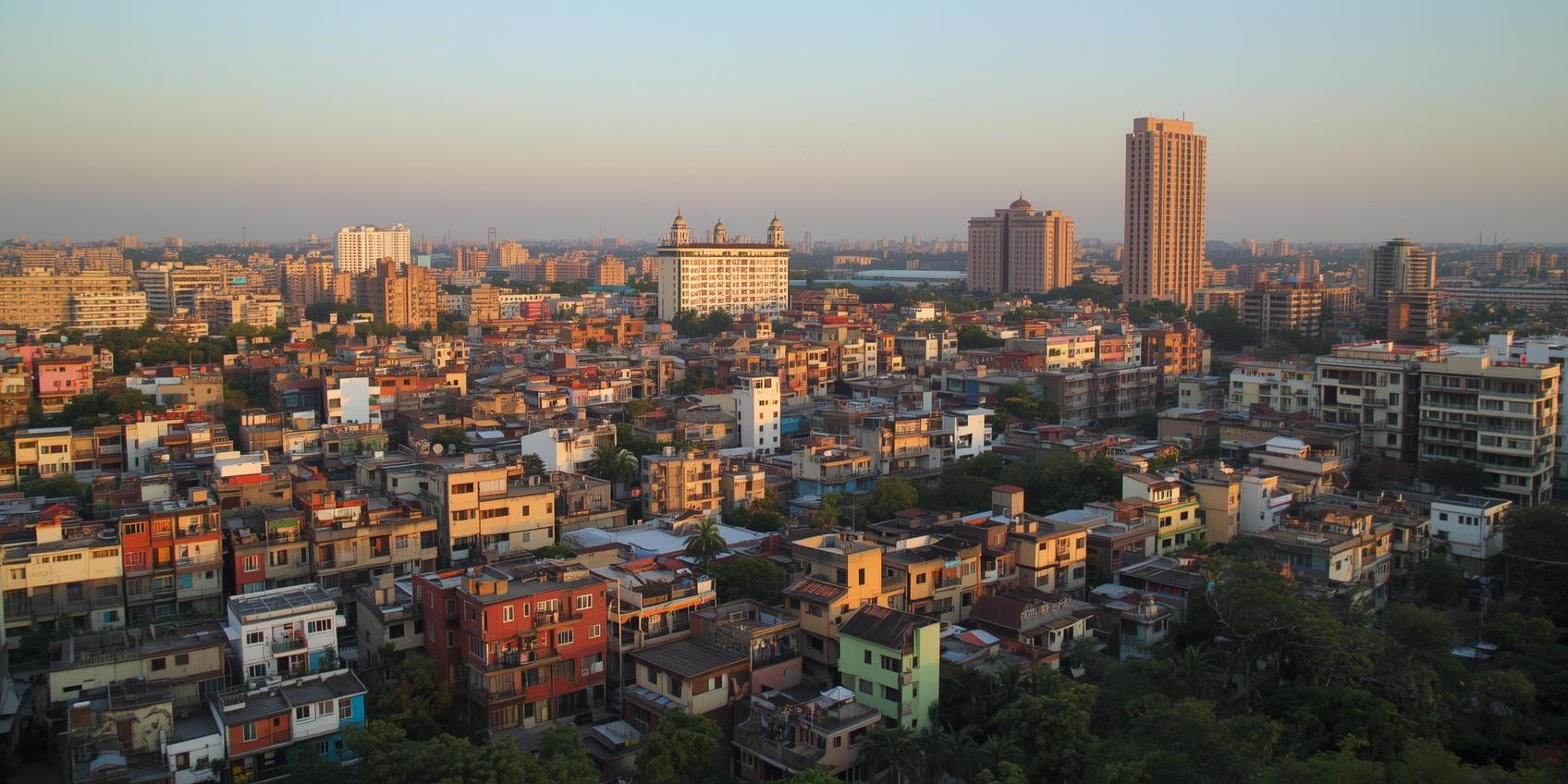
Navi Mumbai’s residential real estate market has delivered steady and broad-based capital appreciation over the last five years, backed by infrastructure execution, maturing micro-markets, and rising end-user demand. According to the latest RealX Stats by InvestoXpert, average apartment prices across Navi Mumbai have climbed by over 22% between 2021 and 2025, underlining the city’s emergence as one of the most structurally resilient housing markets in the Mumbai Metropolitan Region (MMR).
RealX Stats is InvestoXpert’s real-time real estate analytics platform that tracks pricing trends, demand patterns, and micro-market performance across key Indian corridors.
Market-Wide Price Growth Signals Stability
Average apartment prices in Navi Mumbai increased from around ₹14,800 per sq ft in 2021 to ₹18,100 per sq ft in 2025, reflecting a cumulative appreciation of approximately 22.4% over the five-year period. While select micro-markets witnessed intermittent corrections, the broader market maintained a positive upward trajectory.
On a year-on-year basis, prices rose by just over 4% between 2024 and 2025, indicating a phase of calibrated, non-speculative growth. Market participants note that value creation is increasingly driven by factors such as connectivity, livability, and urban infrastructure rather than short-term sentiment.
Premium Nodes Continue to Outpace the Market
Established and transit-oriented locations emerged as clear outperformers. Vashi, one of Navi Mumbai’s most mature residential hubs, saw prices rise from ₹22,800 per sq ft in 2021 to ₹28,300 per sq ft in 2025, driven by strong self-user demand, redevelopment potential, and proximity to employment hubs.
Seawoods recorded even sharper gains, with values jumping from ₹23,000 per sq ft to ₹32,400 per sq ft over the same period, positioning it among the costliest and most sought-after residential nodes in Navi Mumbai. The area’s superior rail and metro connectivity, coupled with premium housing supply, has fueled sustained demand.
Growth Corridors Show Consistent Appreciation
Mid-income growth corridors such as Ulwe and Kharghar demonstrated steady incremental appreciation, supported by metro connectivity, social infrastructure upgrades, and proximity to upcoming employment zones.
- Ulwe prices increased from ₹12,300 per sq ft in 2021 to ₹14,500 per sq ft in 2025
- Kharghar advanced from ₹14,750 per sq ft to ₹17,750 per sq ft during the same period
These locations are increasingly attracting both end-users and long-term investors looking for infrastructure-linked upside.
Emerging Nodes Reflect Early-Stage Stability
Peripheral markets like Dronagiri, Pushpak Nagar, and Panvel recorded relatively moderate appreciation, reflecting their early-stage maturity.
Dronagiri prices remained in the ₹10,000–10,500 per sq ft range in 2025, following intermittent corrections, while Panvel saw steady movement from ₹10,650 per sq ft in 2021 to ₹12,900 per sq ft in 2025. These markets are increasingly being evaluated through a long-term investment lens, aligned with future infrastructure delivery and regional expansion.
Infrastructure Remains the Key Growth Driver
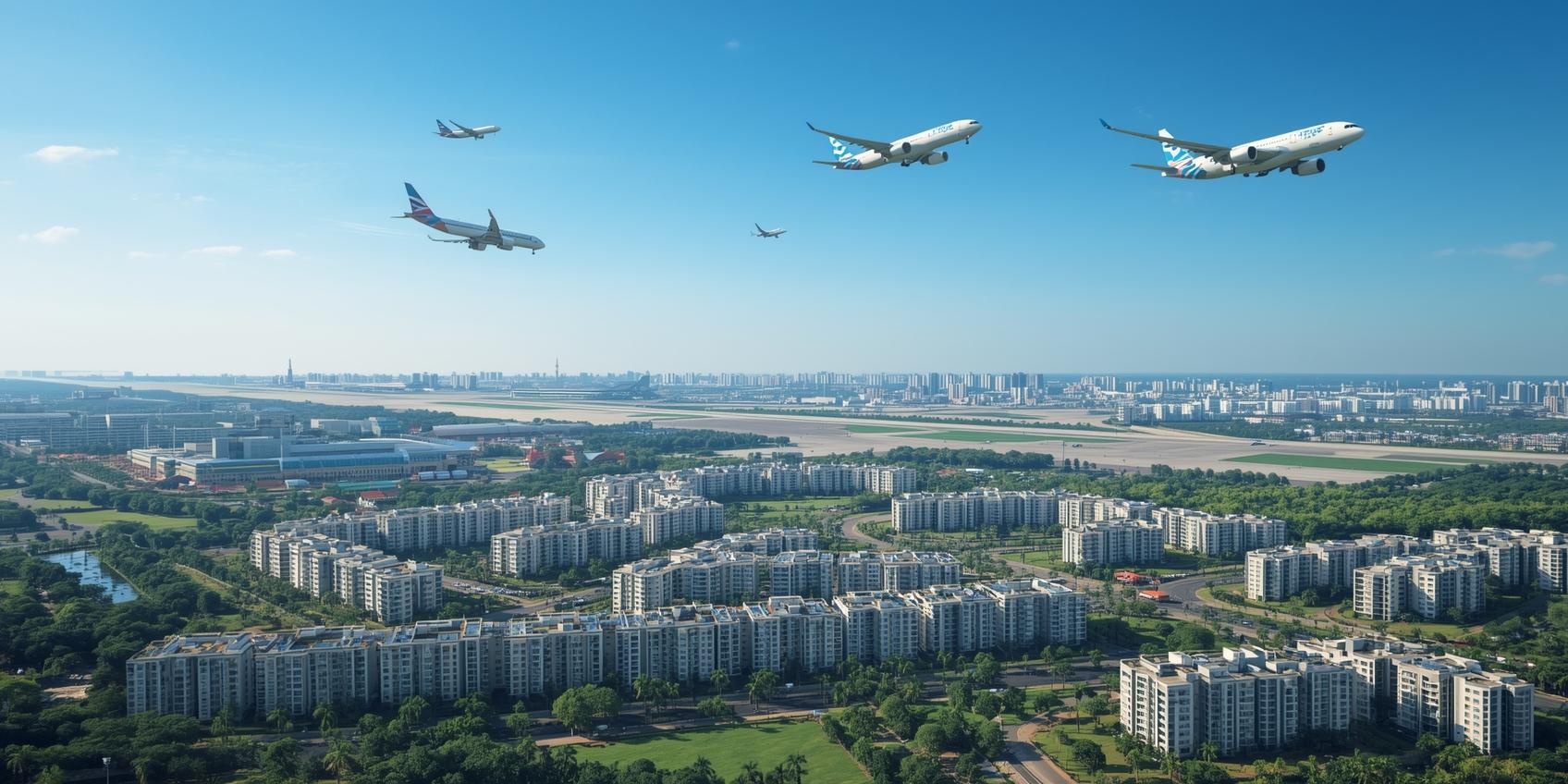
Navi Mumbai’s pricing performance continues to be anchored in large-scale infrastructure projects, including the Navi Mumbai International Airport, expanding metro corridors, upgraded road networks, and improved multimodal connectivity with Mumbai and Pune.
As these projects move closer to operationalisation, analysts expect pricing momentum to remain structurally positive, though disciplined, with selective micro-markets continuing to outperform.
Developer Investments Strengthen Market Fundamentals
Over the past few years, Navi Mumbai has attracted growing interest from leading real estate developers such as Tata Realty, Raheja Corp, Godrej Properties, L&T Realty, and Hiranandani Group, who have expanded their footprint through residential, commercial, and mixed-use developments.
Large land acquisitions in areas like Ghansoli, Panvel, Kharghar, and Vashi, including the redevelopment of the APMC market, have also drawn major players such as Adani Realty, Embassy Group, and Godrej Properties, signalling a shift in perception of Navi Mumbai as an independent growth centre rather than a peripheral extension of Mumbai.
Commercial Hubs and Data Centres Reshape the City
Office hubs such as Jio Corporate Park, Raheja World Trade Centre Navi Mumbai, and Raheja Mindspace have strengthened local employment ecosystems, supporting live-work dynamics.
Simultaneously, Navi Mumbai has emerged as a preferred destination for data centres, with global operators including NTT, Web Werks–Iron Mountain, Digital Edge, Princeton Digital Group, CapitaLand, and Blackstone establishing large facilities. These investments are reshaping Navi Mumbai into a balanced, future-ready economic and residential hub.
Expert View
Commenting on the findings, Vishal Raheja, Founder & Managing Director, InvestoXpert Advisors, said,
“Navi Mumbai has entered a phase where price growth is being driven by fundamentals rather than sentiment. The steady appreciation across both mature and emerging nodes reflects a market that is institutionalising, with infrastructure, connectivity, and end-user depth shaping value creation. Over the next cycle, selective micro-markets are likely to continue outperforming as the region transitions into its next urban growth phase.”
Also Read: ✈️ Navi Mumbai Airport to Take Off — Panvel Property Prices Already Soaring 74%