
In a landmark ruling aimed at curbing environmental degradation, the Bombay High Court has mandated that no Occupancy Certificates (OCs) will be issued to buildings in Maharashtra unless proper Sewage Treatment Plants (STPs) are installed or connected to civic underground drainage systems. The order, passed on January 19, 2026, in Writ Petition No. 7404 of 2024 (Yashwant Anna Bhoir vs. The State of Maharashtra & Ors.), underscores the court’s frustration with ongoing sewage dumping into the Ulhas River and the inaction of municipal authorities.
The Detailed Order
The bench, comprising Justices Ravindra V. Ghuge and Abhay J. Mantri, issued sweeping directives to all civic bodies across Maharashtra, including Corporations, Municipal Councils, Local Authorities, and Gram Panchayats. Key points from the order include:
- Prohibition on Issuing OCs: No structure shall receive an OC until it complies with approved plans, building permissions, and—crucially—has an STP constructed, especially for high-rise buildings. If underground sewage pipelines are provided by civic bodies, buildings must connect to them instead.
- Statewide Survey and Blacklisting: All authorities must conduct a drive to inventory buildings without STPs (unless connected to civic drainage). Builders and construction companies failing to provide STPs or proper sewage management will be blacklisted. A list of such entities must be compiled based on their existing structures.
- Consequences for Non-Compliance: In cases where OCs are granted without these facilities, the court warned of blacklisting builders and initiating action against responsible civic officers. The order emphasizes that future violations will not be tolerated.
- Committee Oversight: The High Court Constituted Committee (also known as the Kulgaon-Badlapur Municipal Council Area Improvement Committee) has been restructured, with the District Collector of Thane appointed as Chairperson. The committee must meet fortnightly, starting January 21, 2026, and submit minutes to the court by January 28, 2026. Members, excluding the Chairperson, must appear in court on that date for a compliance hearing.
- Support for STP Installation: Builders facing obstruction from society members in installing STPs will receive police protection from municipal councils. This applies to both new and existing buildings under scrutiny.
- Reiteration of Prior Directions: The court referenced its earlier order from August 14, 2025, reiterating that it will take action against anyone obstructing compliance. It also reviewed an affidavit from Additional District Collector Harishchandra Patil, dismissing it as an “eye wash” due to lack of effective action.
The order builds on previous judgments, including one from September 19, 2025, and incorporates suggestions from court-appointed expert G.M. Arch Pvt. Ltd. A comparative chart (‘X-1’) highlighted the municipal council’s failure to meet deadlines for short-term and long-term measures to stop sewage dumping.
Why the High Court Issued This Order
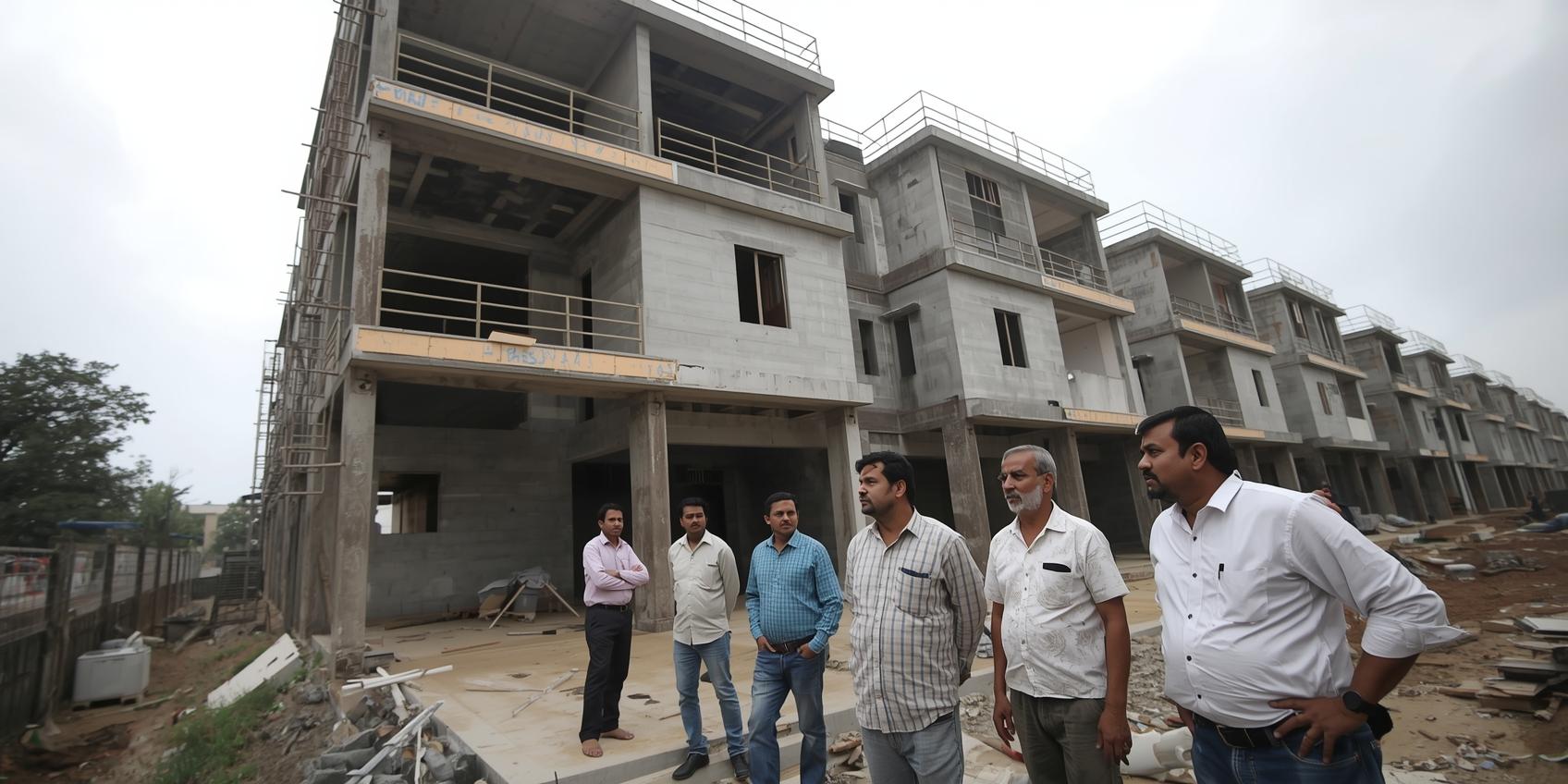
The ruling stems from a public interest litigation highlighting severe pollution in the Ulhas River caused by untreated sewage from approximately 438 unauthorized structures in the Kulgaon-Badlapur area. Builders had constructed these without STPs, leading to direct dumping into the river—a “human-created problem” of enormous magnitude, as described by the court.
The judges expressed dismay at the Kulgaon-Badlapur Municipal Council’s repeated delays and superficial efforts. Despite appointing an expert and a committee, no meaningful progress was made. The affidavit submitted was seen as an attempt to mislead the court, with no deadlines honored and only short-term measures proposed. The court aimed to enforce accountability, warning that continued inaction could amount to contempt. This order is part of a broader effort to protect rivers and ensure sustainable urban development, addressing systemic failures in sewage management that threaten public health and the environment.
What It Means for Maharashtra
This directive has far-reaching implications for the real estate sector and urban planning in Maharashtra:
- For Builders and Developers: Mandatory STPs or drainage connections will increase construction costs but enforce environmental compliance. Blacklisting could bar non-compliant companies from future projects, potentially reshaping the industry by favoring responsible builders.
- For Homebuyers and Residents: It ensures safer, more sustainable living environments by preventing occupancy in buildings without proper sewage systems. Existing societies may see retrofits, with police aid to overcome resistance.
- For Civic Authorities: Officers face personal liability for violations, promoting stricter enforcement. The statewide survey could expose widespread irregularities, leading to reforms in approval processes.
- Environmental Impact: By halting sewage dumping, the order could significantly reduce river pollution, setting a precedent for other states grappling with similar issues.
The next compliance hearing is scheduled for January 28, 2026, at 3:00 p.m., where the court will review progress. Legal experts hail this as a proactive step toward eco-friendly urbanization, though implementation challenges remain.
Also Read: Redevelopment Disputes Can’t Be Thrown Out Without Trial: Bombay High Court