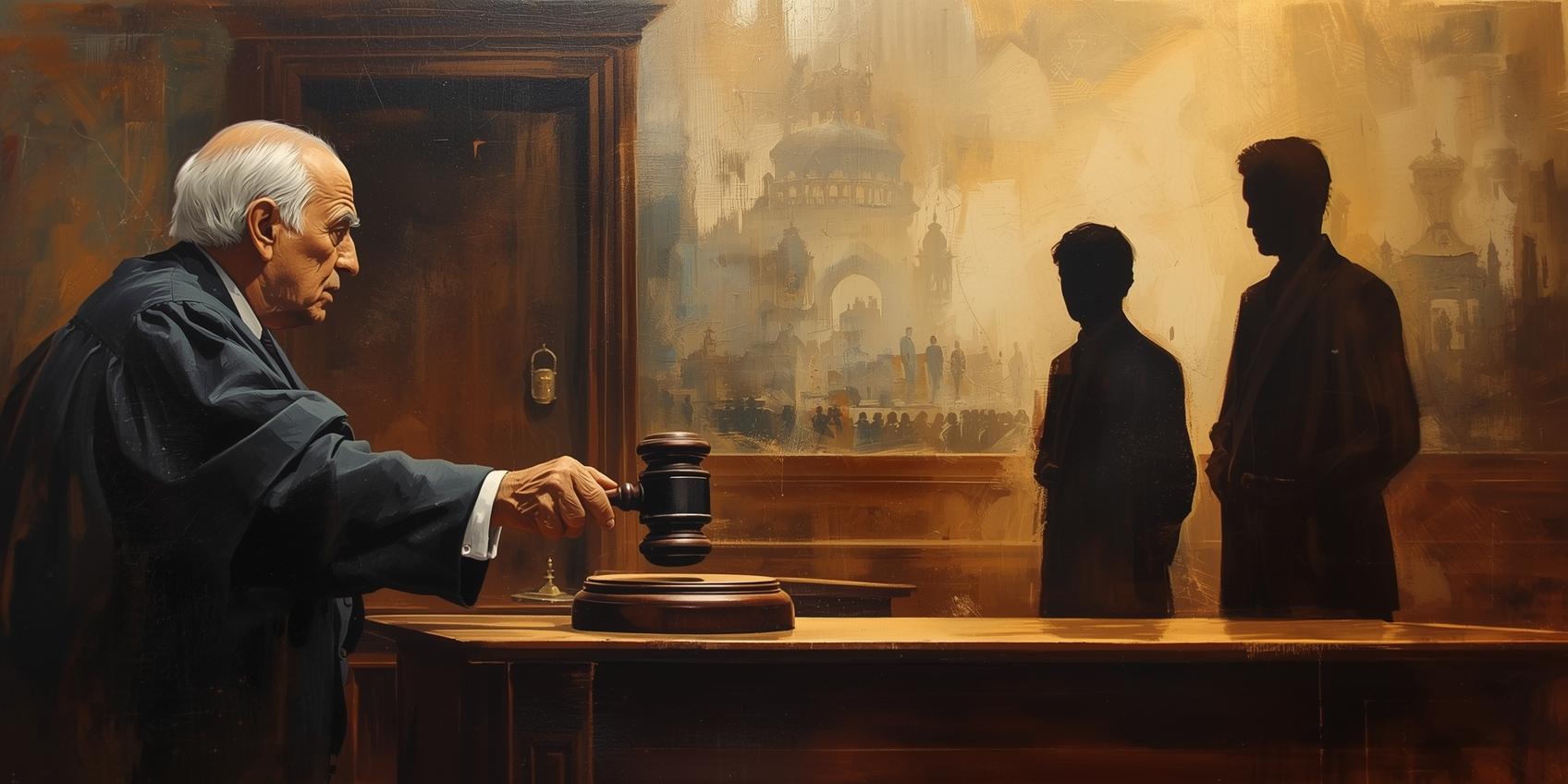

In a landmark ruling that strengthens transparency and accountability in co-operative housing societies, the Bombay High Court has upheld the removal and five-year disqualification of an entire Managing Committee — triggered by the complaint of just one ordinary society member.
The case shatters a long-held belief in housing societies that “one member can’t do much against a powerful committee.”
This judgment proves otherwise.
The Case That Changed the Power Equation in Housing Societies
The case arose from Brahma Suncity Co-operative Housing Society in Pune, where a member repeatedly asked the Managing Committee for copies of meeting minutes — a basic right guaranteed under the Maharashtra Co-operative Societies Act.
Despite multiple written requests over several months, the committee failed to provide the documents.
What followed was not just a fine or warning — but the complete removal of the committee and a five-year ban from contesting society elections.
A Simple Request That Snowballed into Major Consequences
The member first sought the minutes in January 2023 and clearly stated he was ready to pay the required copying charges.
However:
- The committee did not respond meaningfully
- It did not even inform him of the fee amount for months
- Multiple reminders were ignored
Eventually, the Deputy Registrar of Co-operative Societies issued a formal order, directing the committee to supply the documents within seven days.
That order was also ignored.
Court Says: Transparency Is Not Optional
The High Court made it clear that supplying society records is not a favour, but a statutory duty.
The Court observed that:
- Every member has a legal right to inspect and obtain copies of records
- Silence or delay defeats the very purpose of the law
- A committee cannot hide behind technical excuses like “fees were not paid” when it never communicated the fee details
Late compliance, the Court said, does not wipe out months of non-compliance.
Why the Entire Committee Was Disqualified — Not Just One Office Bearer
A key argument raised by the committee was that, at most, only one office bearer (such as the secretary) should be blamed.
The Court rejected this.
It held that:
- The Managing Committee functions on collective responsibility
- Minutes are records of the committee’s own decisions
- If no member ensures compliance, the entire committee is accountable
As a result, all committee members were held responsible and disqualified together.
Five-Year Ban Upheld as Fully Justified
The law allows a five-year disqualification for such violations.
The Court noted that this was not a minor lapse:
- The delay lasted several months
- Registrar’s directions were disobeyed
- Documents were given only after legal action began
- There were already findings of financial loss to the society, with a recovery certificate issued earlier
In this background, the Court ruled that the maximum statutory punishment was justified.
Administrator Appointment Also Confirmed
Along with disqualification, the Registrar had appointed an Administrator to run the society.
The High Court upheld this decision, stating that:
- Continued mismanagement
- Proven financial irregularities
- And deliberate non-transparency
made government intervention necessary to protect the society and its members.
Why This Judgment Matters for Every Flat Owner
This ruling sends a strong message across Maharashtra:
- One aware member is enough to enforce accountability
- Managing Committees cannot suppress information
- Ignoring even a single member’s lawful request can have serious consequences
- Transparency is the foundation of cooperative governance
The judgment decisively overturns the notion that “majority silence makes the committee untouchable.”
The Bigger Message
This is not just a case about meeting minutes.
It is a reminder that co-operative societies belong to their members — not their committees.
And sometimes, one ordinary member is all it takes to make the system work.
Also Read: Bombay High Court Rules BMC Permission Not Required for Tenantable Repairs