The Latest

314 Housing Projects in Maharashtra Facing Insolvency
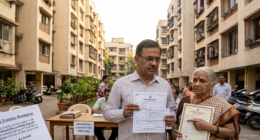
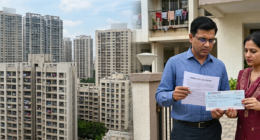
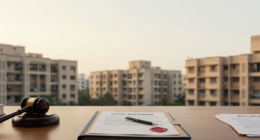
A total of 314 housing projects in Maharashtra are undergoing insolvency proceedings, prompting MahaRERA to release a public list to safeguard homebuyers. The ongoing, lapsed, and completed projects have significant investments at stake, highlighting the need for transparency and informed decision-making in the real estate sector.
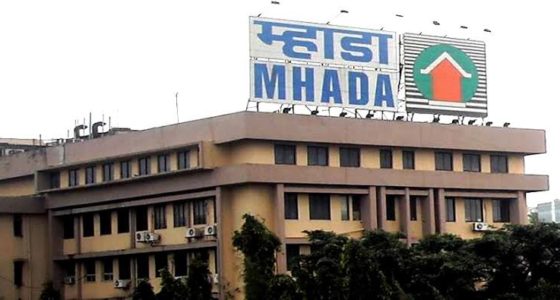
MHADA issues Tender for Abhyudaya Nagar Redevelopment
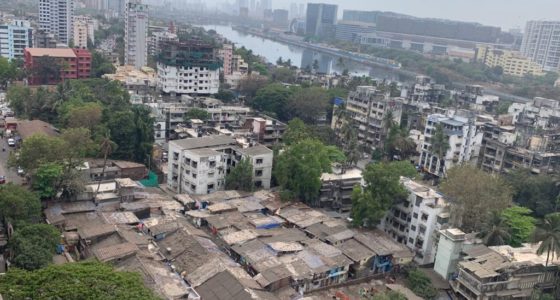
The Mumbai Board of MHADA has released a tender for the redevelopment of Abhyudaya Nagar Colony, following government approval. This project aims to improve living conditions for approximately 15,000 residents, offering modern amenities and expanded living spaces after years of delays.
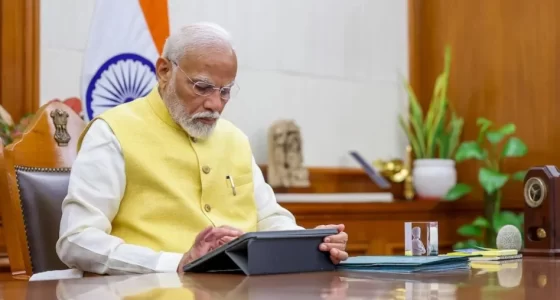
PM Modi Launches Development Projects Worth Over Rs 7,600 Crore in Maharashtra via Video Conferencing
Prime Minister Narendra Modi launched several key development projects in Maharashtra, totaling over Rs 7,600 crore. The initiatives include the inauguration of 10 government medical colleges, upgrades to major airports, and the establishment of skill development centers, aimed at enhancing infrastructure and empowering the youth.