
First-Ever CREDAI Report says 95% of developers fear project delays due to the 2nd COVID wave; the Industry seeks urgent relief for recovery.
By Varun Singh
The Confederation of Real Estate Developers’ Associations of India (CREDAI) released findings of its industry survey conducted across North, East, West, and South zones between 24th May and 3rd June 2021, to assess the impact of the second wave of COVID-19 on the real estate sector in India.
Conducted with a stratified sampling method, the exploratory survey witnessed first-of-its-kind extensive participation of 4,813 developers from 217 cities, providing crucial insights on the industry sentiment and the range of challenges faced by the real estate sector.
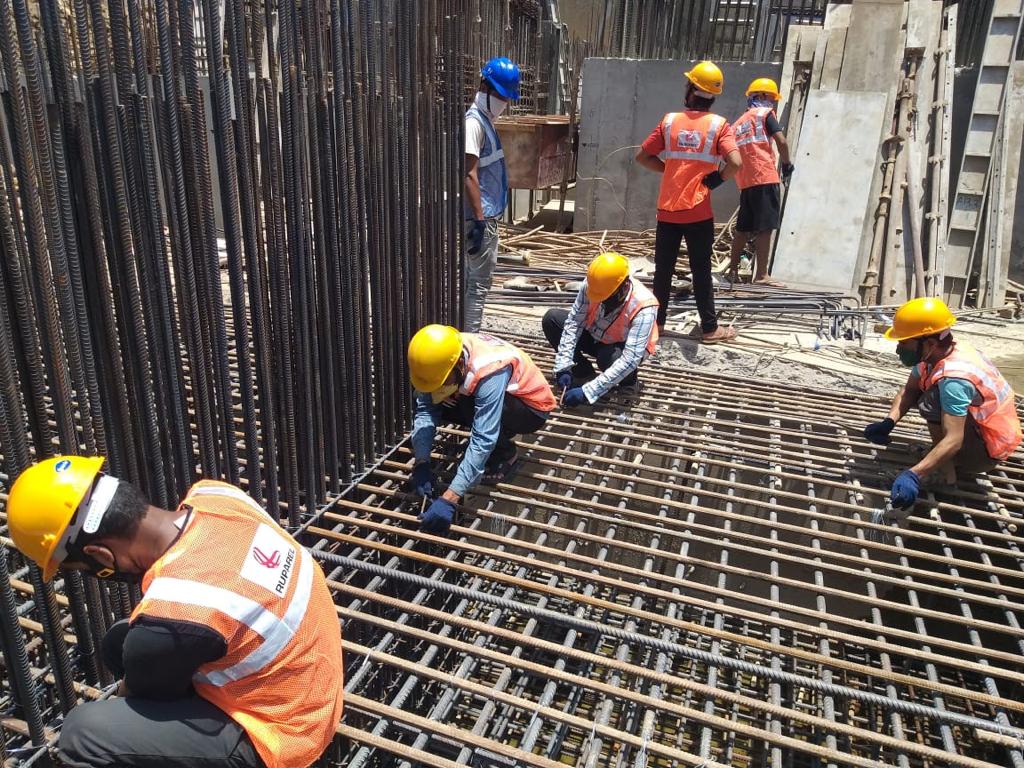
According to the survey report, over 95% of developers feel inevitable project delays if no urgent relief measures are injected into the sector by the Government and RBI. These delays are attributed to a range of factors, with 92% of developers experiencing labour shortages at sites, 83% of developers are working with less than half the workforce, and over 82% of developers are facing project approval delays.
Remarking on the study outcomes, Harsh Vardhan Patodia, President, CREDAI National said, “The real estate sector showed tremendous resilience in bouncing back on a cautious recovery path post the first wave, despite little relief measures. However, the second wave has prompted us to reflect and re-evaluate the growth path of the industry, and we felt it was vital to assess the challenges faced by the customers and industry partners in light of the recent developments. The findings reveal that the second wave has had a more debilitating impact on the real estate sector than the first wave.”
Added factors such as a recent spike in construction materials including steel, cement, etc have contributed to a more than 10% increase in construction cost for more than 88% of developers. Various financial constraints and liquidity crunch are further adding to the problem, with 77% of developers experiencing issues in servicing of existing loans, 85% developers facing disruptions in the planned collection, and 69% are facing issues in the disbursement of customer home loans.
The survey findings by the body of real estate developers also puts the spotlight on changing consumer behaviour, resulting in a slowing of demand due to a decrease in enquiries and site visits. A staggering 98% of developers are facing reduced customer enquiries and 42% of developers are experiencing a 75% decline in customer enquiries. Furthermore, the report reveals that the second wave has caused 95% of customers to postpone their purchase decisions.
CREDAI’s Covid Impact Analysis Report is probably India’s most comprehensive and credible Real Estate Survey as it comes straight from developers across the nation and projects the ground reality. The impact analysis report will be shared with the concerned ministries and all relevant stakeholders.
“We have made a representation to the government citing the current survey and requesting the government to infuse urgent financial stimulus and initiate quick progressive measures to assist recovery. As a part of our presentations, we have requested for liquidity infusion, one-time restructuring of loans, across the board 6 months extension of completion date by Rera, stamp duty reduction or waiver, moratorium extension on principal & interest for 6 months, and freezing of SMA classification for another year. We are hopeful that the government will consider our appeal and will make urgent interventions this time,” said Harsh Vardhan Patodia, President, CREDAI National.
The apex developers’ body also feels that reducing the cost of construction materials, implementing single-window clearances for project approvals and work commencement, and allowing an input tax credit for all sectors will help the business.
CREDAI deems that continued and adequate policy support is critical for the revival of the Indian economy, as the real estate sector accounts for 6–7% of GDP, is the second-largest employer, and is a business generator for over 270 ancillary industries in the country.
Also Read: Flat Buyers Read This Important Update