
The Bombay High Court has directed the Maharashtra Housing and Area Development Authority (MHADA) to cease transit rent payments to tenants of the long-stalled Patra Chawl (Siddharth Nagar) redevelopment project in Goregaon East starting from April 2026. A division bench comprising Justices G. S. Kulkarni and Aarti Sathe issued the order on March 11, 2026, in Writ Petition No. 651 of 2025, highlighting the substantial financial strain on the public exchequer due to prolonged delays in handing over completed rehabilitation flats.
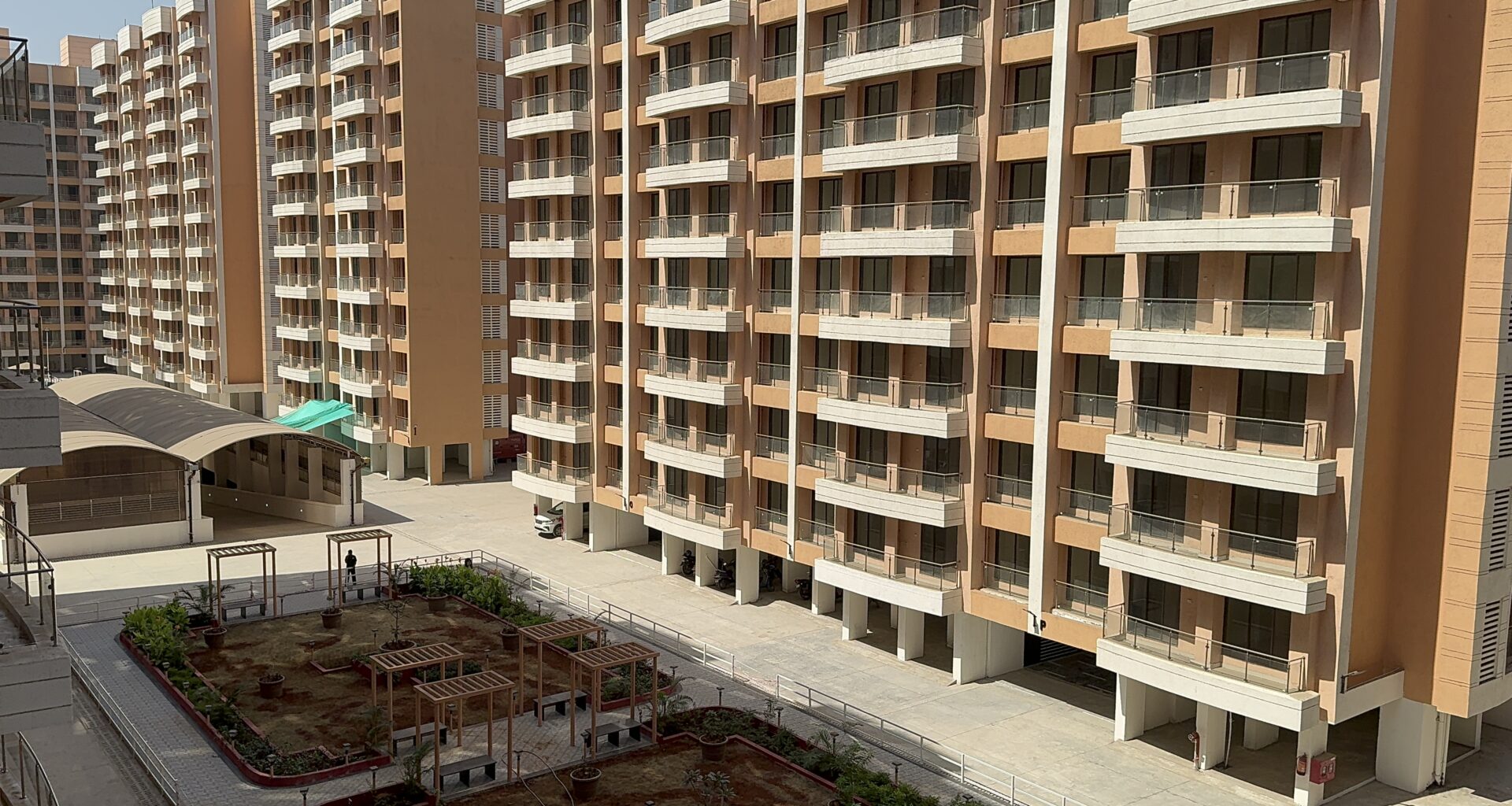
The Patra Chawl project, plagued by controversies since its inception around 2008, involved rehabilitating over 670 tenant families from dilapidated structures. Initial developer involvement led to allegations of fraud and a massive ₹1,039-crore scam, prompting MHADA to take direct control. Construction of the rehabilitation buildings (Nos. 1–8, totaling 16 wings) has since been completed, and an interim structural audit by Veermata Jijabai Technological Institute (VJTI), led by Professor Dr. Abhay Bambhole, confirmed the structures are “structurally sound, stable, and fit for habitation.”
In its February 23, 2026, order, the court had already permitted MHADA to execute Permanent Alternate Accommodation Agreements (PAA Agreements) and hand over possession to willing occupants, based on the VJTI report.
The March 11 hearing was urgently moved by MHADA, which alleged obstruction by the petitioner society—Goregaon Siddharth Nagar Sahakari Griha Nirman Sanstha Limited—and its Managing Committee. Officials and the contractor (Relcon Infraproject) reportedly faced resistance in entering the site, completing formalities, or delivering flats, leading to a non-cognizable (NC) complaint at the local police station. MHADA claimed some members were being prevented from taking possession despite willingness, and delays persisted in signing standard PAA Agreements through unwarranted objections.
The court expressed strong disapproval, stating such actions disregarded its prior directions and could constitute obstruction of public servants’ duties, potentially inviting criminal prosecution or contempt proceedings. It emphasized the need for “absolute co-operation” from the society and members, noting the premises have been ready for occupation for an extended period.
MHADA’s counsel highlighted the financial toll: transit rent (temporary accommodation compensation) had already cost the state exchequer approximately ₹18 crores over more than a year post-completion. The authority argued tenants could not indefinitely delay possession while receiving rent, causing avoidable public loss.
The bench concurred, ruling that MHADA may stop transit rent payments from April 2026 onward. It directed MHADA to proceed with handing over possession to willing members, who can register requests via an email ID provided by MHADA (to be shared with the society’s Chairman-Secretary, Managing Committee, and advocate).
To ensure smooth progress, the court ordered a meeting on March 12, 2026, at 3:00 p.m. in MHADA’s office to discuss and finalize PAA Agreements. It appointed a Court Observer (a senior officer from the Registrar, Original Side) to monitor meetings and site visits, with authority to requisition police assistance if obstructions arise. MHADA or the contractor must deposit ₹50,000 initially toward the observer’s charges.
Members with grievances were advised to submit representations to MHADA for lawful consideration, but the court warned against unwarranted delays or objections. The matter stands adjourned to March 25, 2026, with permission for additional affidavits.
This ruling accelerates resolution in one of Mumbai’s most infamous delayed redevelopment cases, prioritizing willing tenants’ access to completed homes while addressing public expenditure concerns amid ongoing allegations of obstruction.
Also Read: All about Patra Chawl, Sanjay Raut & ED