
A Pune-based real estate developer’s account of a cancelled home booking has thrown a spotlight on a crisis rarely discussed in property circles — the silent, devastating impact of illegal betting networks on India’s residential real estate market.
Rahul Ajmera, a third-generation developer from Pune, shared the account on X as part of a series documenting why home bookings get cancelled. The story, he noted, was the second in the series, after an earlier post drew a response he had not anticipated.
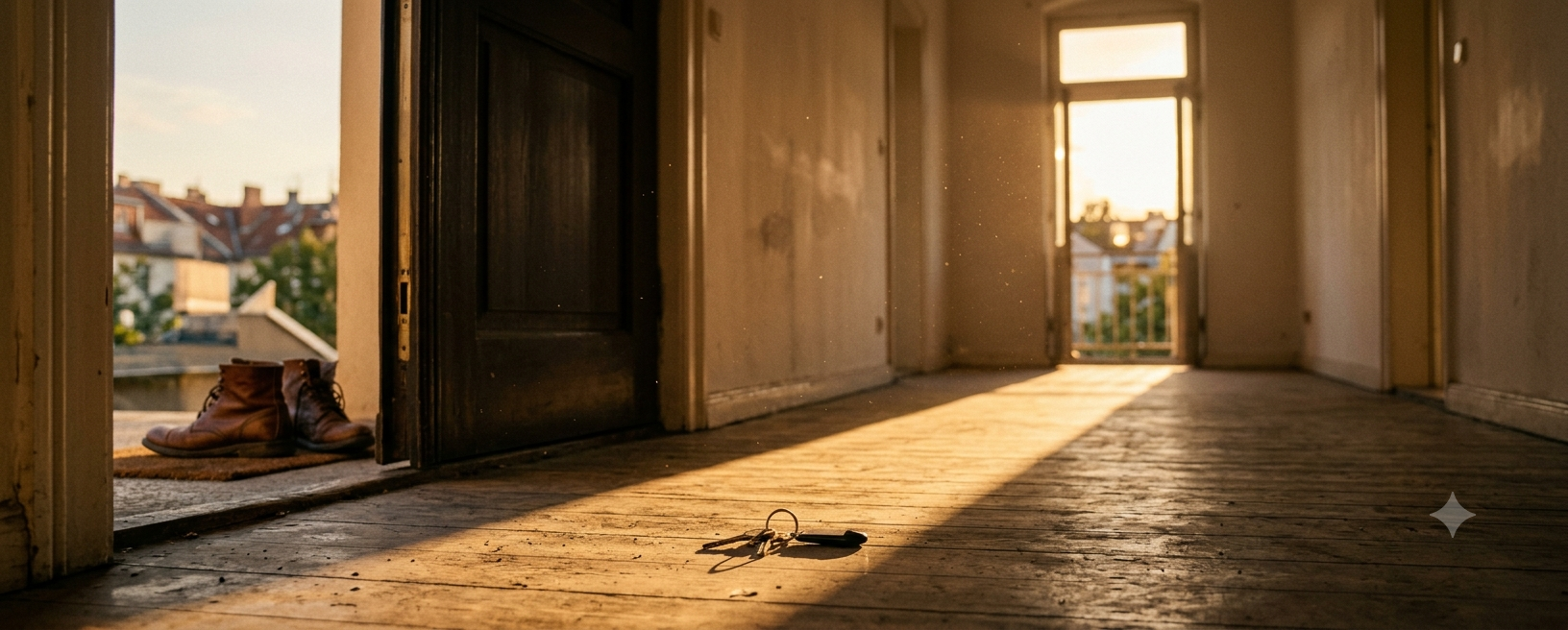
The buyer had booked a flat with Ajmera’s firm in 2022. By all accounts, the transaction was proceeding normally. Then, as the possession date approached, the buyer went completely silent.
Ajmera’s sales team called repeatedly to follow up on the balance payment. There was no response. A man who had been days away from owning his home had, without explanation, become unreachable.
The answer, when it came, arrived not from the buyer but from his relatives. The buyer had run up heavy losses in illegal betting and was unable to clear the remaining dues on his flat. A gang to which he owed money had picked him up in Mumbai to recover their debt.
His brother-in-law visited Ajmera’s office and made a request the developer had not anticipated — he asked whether Ajmera could extend a loan for the outstanding amount, allow the family to take possession, rent the flat out, and repay the developer slowly.
Ajmera declined — but offered something the family had not considered. He cancelled the booking, returned the full amount paid, and charged nothing.
“They were stunned,” Ajmera wrote. “They had not imagined a developer would simply hand everything back.”
The decision, he explained, was shaped by a principle his father had passed down through decades in the business: that a home should bring a family happiness and prosperity, never become a source of its misery. “If a home purchase is causing someone pain, relieve them quickly and never penalise them. We can never prosper at the cost of someone else’s suffering.”
The account has drawn significant attention, not only for the builder’s response but for what it reveals about the pressures bearing down on homebuyers — pressures that sales data, project timelines, and market reports almost never capture.
India’s residential real estate sector has reported strong momentum through 2024 and into 2025, with top developers posting record bookings. But aggregate numbers mask individual-level volatility that sits invisibly beneath the surface. Booking cancellations remain a largely undisclosed metric across the industry, with developers seldom required to report them in granular detail.
What Ajmera’s account makes visible is a category of cancellation that has nothing to do with construction delays, pricing disputes, or loan rejections — the most commonly discussed causes of failed home purchases. Instead, it points to financial distress tied to illegal gambling, a sector whose scale remains deeply difficult to quantify.
The human cost in this case was stark. A buyer who had committed to a home, made payments over years, and was within a week of taking possession lost not just the flat but his personal freedom — held by a network recovering an unrelated debt.
For India’s homebuyers, the episode is a reminder that the road to ownership passes through terrain that no market report maps.
Also Read: Homebuyer Awarded ₹25,000 as Builder Pays Penalty to Continue Legal Fight