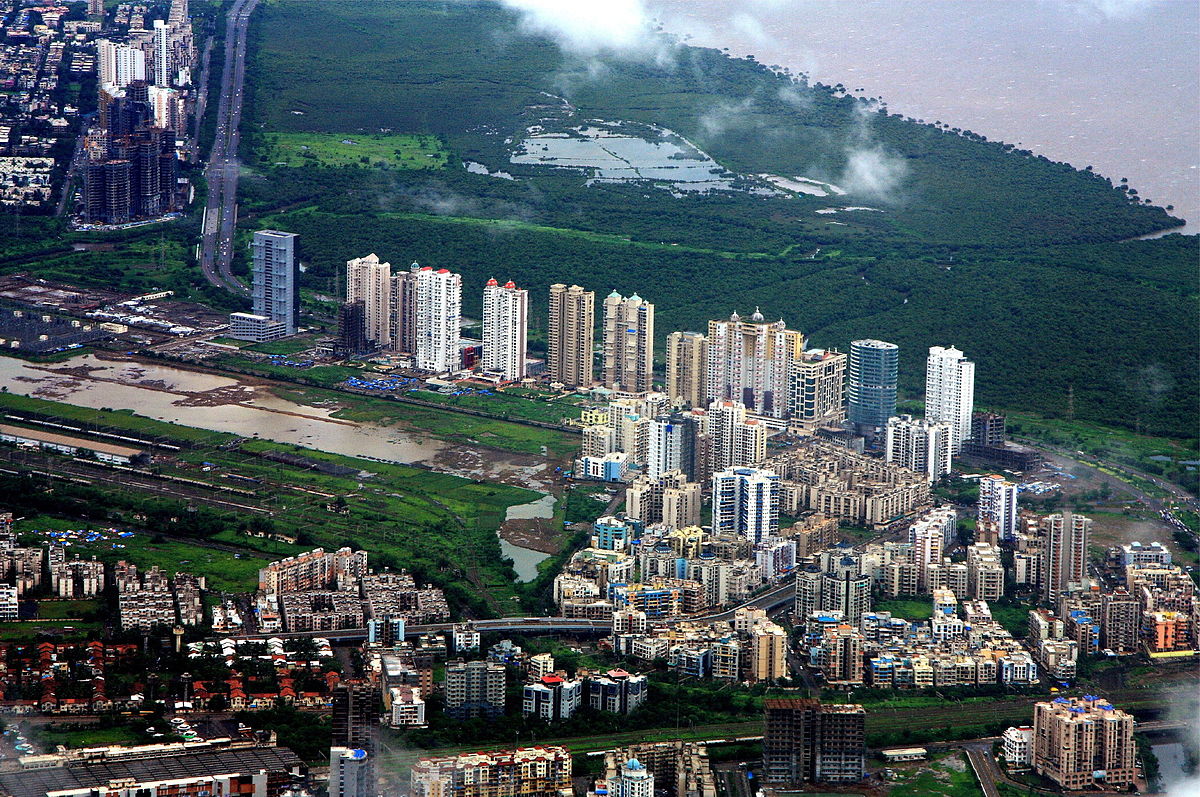

The Maharashtra government has proposed increasing the height limit for high-rise buildings from 120 meters to 180 meters, a move that would require approval from the Brihanmumbai Municipal Corporation’s (BMC) Technical Committee. Currently, a 120-meter structure accommodates around 40 floors, but with this change, buildings could reach 50 to 60 floors. The proposal has received strong support from the real estate industry, with several experts weighing in on its potential impact.
Prashant Sharma, President of NAREDCO Maharashtra, welcomed the move, stating that it would streamline approvals and reduce bureaucratic hurdles. “This change will accelerate project timelines, enhance ease of doing business, and contribute to the city’s vertical growth in a more efficient manner. Given Mumbai’s space constraints, vertical development is key to meeting rising housing demand. However, robust structural safety norms and regulatory oversight must remain in place,” he emphasized.
Shraddha Kedia-Agarwal, Director at Transcon Developers, highlighted the sustainable aspect of the change. “Allowing taller buildings presents a tremendous opportunity to optimize available space efficiently. This approach is critical for creating a vibrant, sustainable city that meets the needs of a growing population without expanding its footprint.”
Samyak Jain, Director at Siddha Group, noted that the move aligns with the vision of modern urban development. “As cities expand, adapting to provide more housing, commercial spaces, and infrastructure is crucial while preserving quality of life. Taller buildings contribute to sustainability by reducing urban sprawl and enhancing energy efficiency.”
Nishant Deshmukh, Founder and Managing Partner of Sugee Group, emphasized the opportunity to develop premium residential spaces. “In a city where real estate is scarce and demand for high-quality living spaces is growing, this presents a remarkable chance to optimize available resources and create premium developments that prioritize excellence and timely delivery.”
Rohan Khatau, Director at CCI Projects, urged a holistic approach. “This must be accompanied by robust infrastructure upgrades, including transportation, water supply, and waste management, to support higher density. Safety regulations must also evolve to address the complexities of taller structures while ensuring affordable housing remains a priority.”
Govind Krishnan Muthukumar, Managing Director and Co-founder of Tridhaatu Realty, called the development “a positive and exciting step forward” in creating innovative and aesthetically pleasing spaces that contribute to Mumbai’s skyline.
Abhishek Jain, COO of Satellite Developers Private Limited (SDPL), echoed similar sentiments, stating, “This presents a unique opportunity to create thoughtfully designed living and working spaces that enhance lifestyles while meeting the demand for modern, spacious, and sustainable buildings.”
With Mumbai’s growing population and limited land availability, vertical expansion is being seen as a necessary step in urban planning. However, real estate leaders stress the need for sustainable design, infrastructure development, and safety measures to ensure the city’s high-rises are built for long-term resilience.
Also Read: 2024 Warehousing Trends