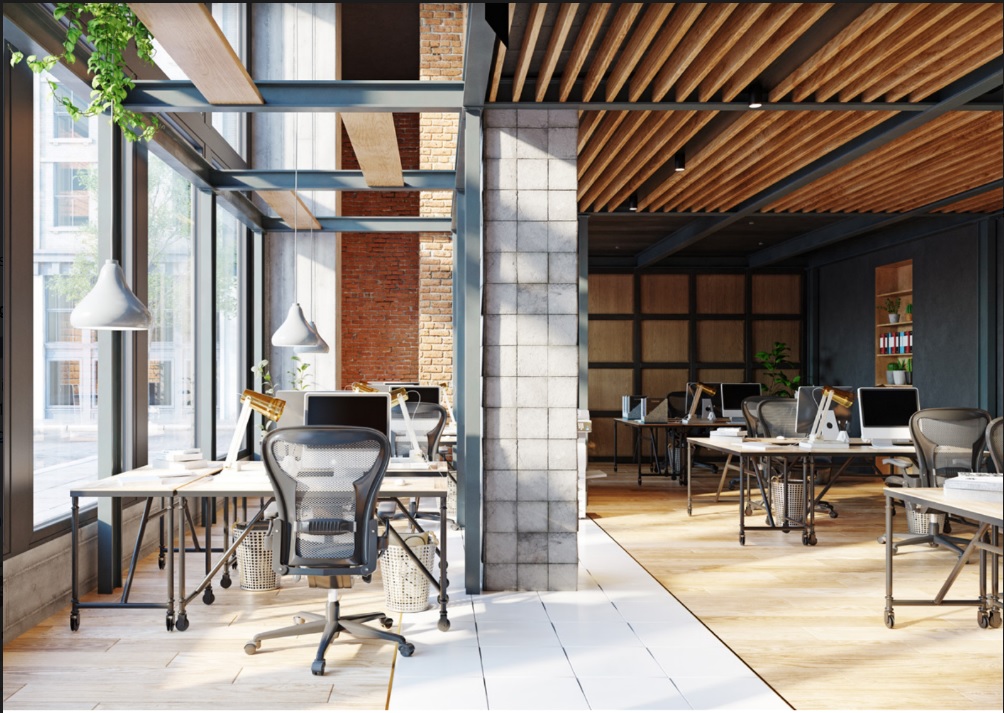

A recent survey-based report titled Flex Spaces: Reshaping the New-Age India Office Market reveals that over 80% of office occupiers plan to expand their portfolios through flex spaces in the next 3-5 years. The trend signifies a shift in how businesses are approaching their real estate needs, with large corporates increasingly integrating flex spaces into their operations.
The report highlights that nearly 60% of occupiers are expected to allocate at least 20% of their office portfolios to flex spaces, with approximately 30% preferring to allocate over 40%. Additionally, 40% of respondents foresee flex spaces becoming central to their core business functions, reflecting a broader acceptance and reliance on this flexible workspace model.
“Flex space offerings are transitioning from niche to mainstream, and are poised to significantly influence Grade A office space demand in India,” said Arpit Mehrotra, Managing Director of Office Services at Colliers India. “Currently, about 60% of occupiers are likely to have a flex share of 20% or more in their office portfolios in the next 3-5 years, up from 40% today. This shift is notable among technology, engineering, manufacturing, and healthcare sectors.”
The report also found that 77% of occupiers prefer longer lease periods of over one year, with flex spaces providing a strategic advantage due to their flexibility and scalability. About 45% of occupiers are looking at core areas in major cities for their future expansion, indicating a preference for central business districts (CBDs) and strategic locations.
Flex spaces are no longer just a solution for start-ups; they are increasingly being used by mid and large-sized companies for core business operations. Around 45% of mid-sized and 35% of large companies are utilizing flex spaces in this capacity, with technology sector occupiers leading the trend at 40%.
“Workspaces have evolved into centers of collaboration and innovation,” noted Vimal Nadar, Senior Director & Head of Research at Colliers India. “With the growing maturity of the flex space market and the availability of enterprise-level services, occupiers are more open to committing to longer terms, potentially reaching up to three years.”
Also Read: Flex Spaces and Sustainability Drive Commercial Property Trends in APAC and India, Colliers Reports
As the landscape of office real estate continues to shift, flex spaces are expected to play a pivotal role in the future of work environments in India, adapting to diverse business needs and contributing to the evolving office market dynamics.
Source: Colliers